Blog
Woven vs Printed Upholstery Fabrics: What Changes in Look and Feel?

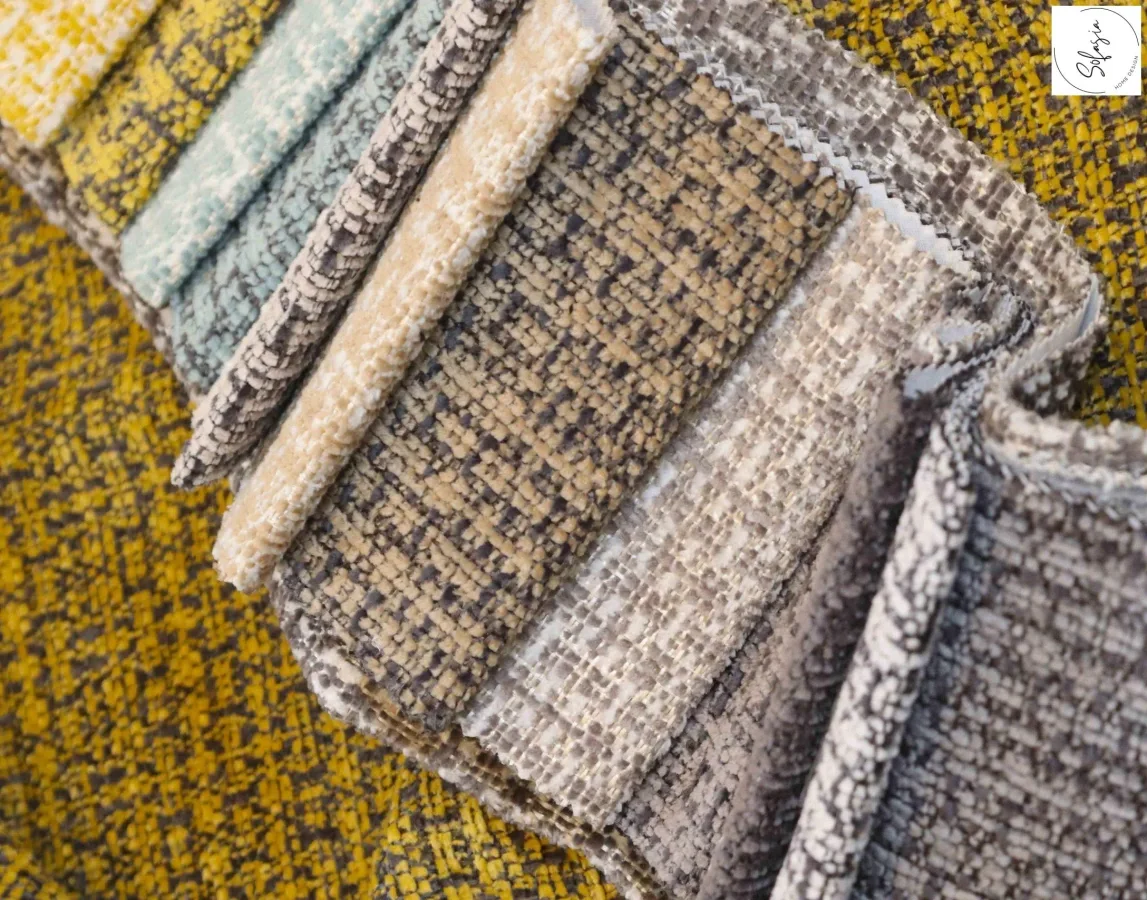
Choosing an upholstery fabric is not only about selecting a color or pattern that matches a room. The way a fabric is produced directly affects how it feels under the hand, how it reflects light, how the pattern appears over time, and how the furniture fits into the overall atmosphere of a space.
Two common approaches are woven and printed upholstery fabrics. Although both can create attractive designs, they achieve their appearance in very different ways.
A woven fabric gets its character from the structure of the threads themselves, while a printed fabric receives its pattern after the base material has already been created. This difference influences texture, visual depth, maintenance needs, and how the fabric performs in everyday living.
Understanding these distinctions helps homeowners make more informed choices when designing seating areas, lounge spaces, reading corners, or multifunctional rooms.
How Woven and Printed Fabrics Are Made
The biggest difference between these two fabric types starts with the manufacturing process.
Woven upholstery fabrics
Woven fabrics are created by interlacing different threads together to form both the structure and appearance of the material.
The pattern is part of the fabric itself rather than being added only to the surface. Different thread colors, weaving techniques, and textures create the final visual effect.
This process can produce:
- subtle patterns with depth
- textured surfaces
- richer color variations
- a more tactile appearance
Because the design is integrated into the construction of the fabric, woven materials often have a dimensional look that changes slightly depending on lighting and viewing angle.
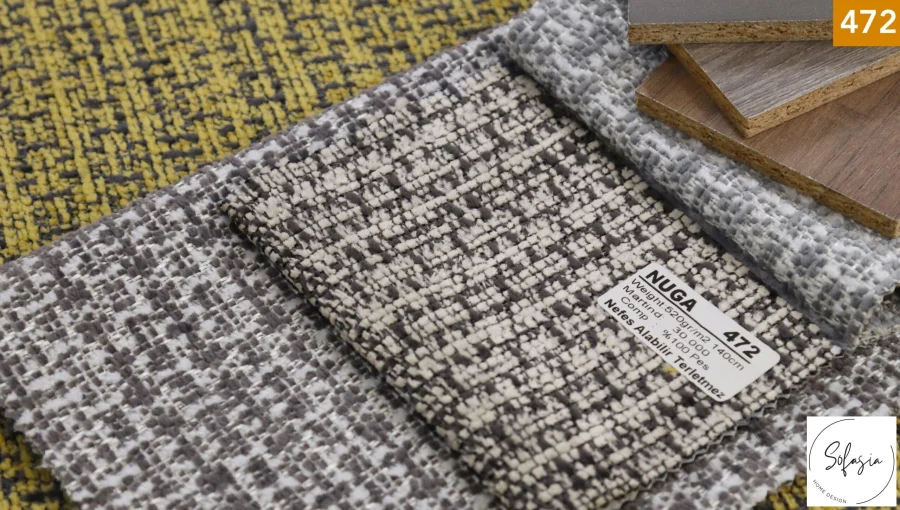
Printed upholstery fabrics
Printed fabrics are produced by applying a design onto an already finished fabric surface.
Modern printing techniques allow manufacturers to create almost unlimited patterns, colors, and visual effects. From geometric designs to floral motifs and realistic textures, printed fabrics offer significant design flexibility.
The pattern sits primarily on the surface, meaning the visual effect depends more on the printed layer rather than the structure of the threads.
Both approaches have their place. The better choice depends on how the furniture will be used and the atmosphere you want to create.
How Texture and Feel Differ Between Woven and Printed Fabrics
One of the most noticeable differences is the physical experience of touching the fabric.
Woven upholstery usually has a stronger connection between appearance and texture. The surface may feel slightly raised, structured, or naturally irregular because the weave itself creates the character.
This can make furniture feel warmer and more tactile, especially in spaces designed around comfort and relaxation.
Printed fabrics often feel smoother because the pattern is applied over a base material. Depending on the fabric type, the surface may still feel soft and comfortable, but the design itself does not usually add physical texture.
This distinction becomes especially noticeable in seating that people interact with frequently.
For example:
- A reading chair used every evening benefits from a fabric with a pleasant hand feel.
- A decorative seating piece may prioritize visual impact over tactile qualities.
- A family lounge area may need a balance between softness, durability, and easy maintenance.
The right choice depends on whether the fabric is mainly experienced visually or physically.
Visual Appearance: Depth, Color, and Design Character
Fabric construction has a major influence on how furniture looks inside a room.
The visual character of woven fabrics
Woven fabrics often create a more layered appearance because the eye can see the relationship between individual threads.
This can create:
- natural shading
- subtle color movement
- a handcrafted feeling
- a more premium textile appearance
They often work well in interiors where materials and textures play an important role, such as warm minimalist, contemporary, Scandinavian, or traditional-inspired spaces.
The visual character of printed fabrics
Printed fabrics provide greater freedom when a specific pattern or strong decorative element is needed.
They can introduce:
- bold colors
- detailed illustrations
- repeating motifs
- artistic designs
This makes them useful for adding personality to a room without changing the entire interior design.
A common mistake is choosing a fabric only because the pattern looks attractive in a small sample. Larger furniture pieces can amplify a pattern significantly, so it is important to imagine how the design will appear across the entire seating surface.
Durability and Long-Term Appearance
Durability depends on many factors, including fiber type, weave density, finishing treatments, and how the furniture is used. The manufacturing method alone does not determine whether a fabric will last.
However, there are some general differences.
Woven fabrics often have an advantage in maintaining a consistent appearance because the color and structure are integrated throughout the material.
Minor surface wear may be less noticeable because the visual character exists across the fabric rather than only on the top layer.
Printed fabrics can also perform well, especially with high-quality printing methods. However, heavily used areas may eventually show changes in the printed surface depending on fabric quality and maintenance.
For everyday seating, consider:
- how often the furniture is used
- whether children or pets are present
- exposure to sunlight
- cleaning requirements
- expected lifespan
A guest room and a busy family living room may require completely different fabric priorities.
Maintenance Considerations for Different Lifestyles
The practical side of fabric selection is often overlooked.
A fabric that looks attractive in a showroom may not be the easiest choice for daily life.
Homes with frequent use
For seating used every day, consider materials that:
- tolerate regular cleaning
- hide minor marks
- maintain their texture over time
- feel comfortable during long periods of sitting
Textured woven fabrics can sometimes help disguise small variations in appearance because their surface already contains visual depth.
Homes with decorative seating
For furniture used less frequently, printed fabrics can provide an opportunity to introduce stronger design elements.
A patterned seating piece can become a focal point without requiring other major changes.
Sunlight exposure
Direct sunlight can affect many fabrics over time. Large windows, bright rooms, and sun-facing seating areas require extra attention when choosing colors and materials.
Lighter colors may create an airy appearance, while darker or highly saturated designs may require more consideration regarding fading.
Choosing Between Woven and Printed Fabrics for Different Interior Styles
The best choice often depends on the feeling you want the room to create.
Modern and minimal interiors
Woven fabrics often complement modern spaces because their texture adds warmth without creating visual clutter.
Neutral woven materials can prevent a simple room from feeling cold or empty.
Traditional or oriental-inspired interiors
Both options can work well.
Woven fabrics can enhance a handcrafted, timeless atmosphere, while printed fabrics can introduce decorative patterns and cultural influences.
Relaxed family spaces
A combination of comfort and practicality is usually the priority.
Many homeowners prefer fabrics that feel inviting, are easy to live with, and continue looking good after years of use.
Click for our floor sofa collection: sofasia.com/floor-sofas
Low and relaxed seating arrangements often benefit from fabrics that combine softness with practical everyday performance.
Accent furniture
Printed fabrics are often effective for smaller seating pieces where a stronger visual statement is desired.
A pouf, occasional chair, or decorative cushion can introduce color and pattern without overwhelming the room.
Click for our pouf chairs: sofasia.com/pouf-chairs
Common Mistakes When Selecting Upholstery Fabric
Fabric decisions can become difficult because people often focus on appearance first and practical use second.
Some common mistakes include:
Choosing a pattern without considering furniture size
A small fabric sample can look completely different when applied across a large seating area.
Always consider the scale of the design.
Ignoring the texture of the room
A visually attractive fabric may feel disconnected if the rest of the room contains very different materials.
Balance smooth, rough, soft, and structured surfaces.
Prioritizing trends over long-term comfort
Interior trends change quickly, but furniture is usually kept for years.
A fabric should match both current preferences and long-term lifestyle needs.
Forgetting daily habits
A beautiful fabric is less enjoyable if it does not suit how the furniture is actually used.
Think about sitting duration, cleaning routines, and household activity before deciding.
Which Upholstery Fabric Should You Choose?
There is no universal winner between woven and printed upholstery fabrics. Each serves a different purpose.
Woven fabrics are often preferred when you want:
- natural texture
- visual depth
- a refined material appearance
- a calm and timeless atmosphere
Printed fabrics may be more suitable when you want:
- expressive patterns
- stronger decorative impact
- flexible design options
- a statement piece
The best choice comes from understanding the relationship between the fabric, the furniture, and the room itself.
A seating area should not only look good on the day it is designed. It should continue feeling comfortable, practical, and visually balanced as daily life happens around it.