Blog
How to Create a Majlis-Inspired Seating Area in a Modern Home

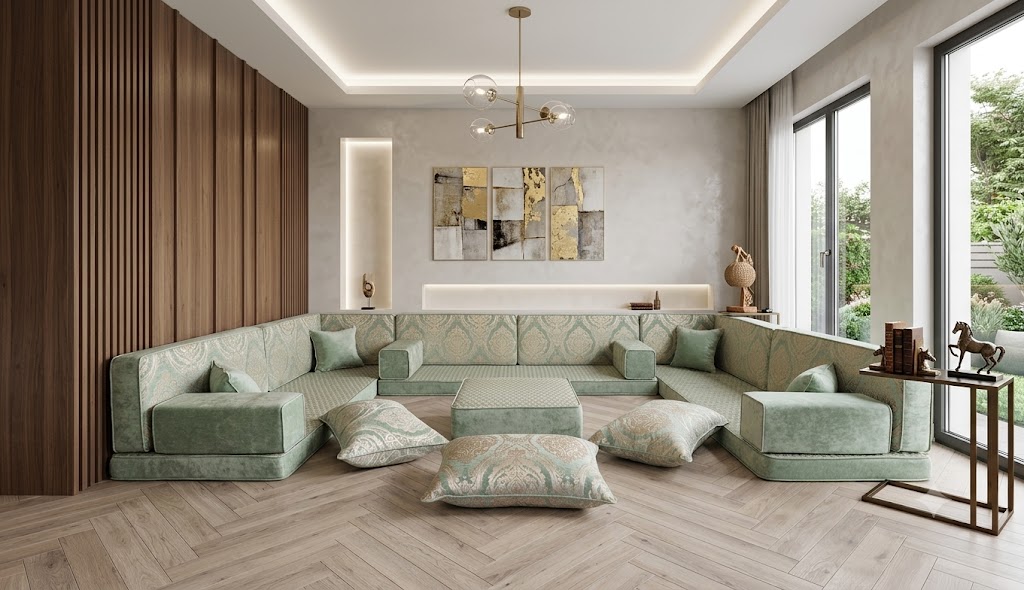
How to Create a Majlis-Inspired Seating Area in a Modern Home
A majlis-inspired seating area is more than a furniture arrangement. It is a way of designing a room around conversation, comfort, and a welcoming atmosphere. Traditionally found in Middle Eastern homes, the majlis is a gathering space where people sit close together, share conversations, host guests, and spend relaxed moments.
Modern interiors have adapted this concept by combining the warmth of traditional floor-level seating with contemporary design principles. The result is a flexible living space that feels informal, comfortable, and visually distinctive.
Creating this type of seating area requires more than placing cushions on the floor. Room proportions, seating height, materials, circulation space, lighting, and everyday habits all influence how successful the final design will feel.
This guide explores how to create a majlis-inspired corner that works naturally in a modern home, including layout planning, comfort considerations, material choices, styling ideas, and common mistakes to avoid.
Understand the Purpose of the Space Before Designing
The first step is deciding how the seating area will actually be used.
A majlis-inspired space can serve different purposes depending on your lifestyle. Some homeowners create it as the main living room arrangement for daily use, while others prefer it as a relaxed corner for guests, reading, coffee conversations, or quiet evenings.
The intended use affects almost every design decision.
For example:
- A family living area needs durable fabrics, supportive cushions, and easy maintenance.
- A guest-focused room can prioritize decorative details and a more traditional atmosphere.
- A reading or relaxation corner may require softer textures, lower lighting, and fewer seating elements.
- A small apartment may benefit from a flexible setup that can be rearranged when needed.
Thinking about daily habits before choosing the style prevents a common mistake: creating a visually attractive space that does not function well.
A successful majlis-inspired room should feel natural to use, not like a display area that people are afraid to sit in.
Plan the Layout Around Conversation, Not Just Furniture Placement
Traditional majlis spaces are designed around interaction. People usually sit facing each other, creating an environment where conversation happens naturally.
This principle remains valuable in modern homes.
Instead of arranging seating only toward a television, consider creating a social layout where people can comfortably see and speak with each other.
Some practical layout ideas include:
Small rooms
In compact spaces, avoid filling every corner with seating. A smaller arrangement with carefully chosen cushions and low-profile furniture can make the room feel open.
Leaving some visible floor area often improves the sense of space.
Large living rooms
Larger rooms can handle a more complete majlis arrangement with seating around multiple sides. However, maintaining balance is important.
Too much empty space between seating areas can make conversation feel disconnected.
Open-plan homes
In open layouts, a majlis-inspired corner can help define a specific zone without using walls. A rug, lighting feature, or change in flooring texture can visually separate the seating area from dining or kitchen spaces.
The goal is to create a gathering point while maintaining comfortable movement around the room.
Choose the Right Seating Height and Comfort Level
One of the defining characteristics of majlis-inspired interiors is the lower seating position. This creates a relaxed atmosphere, but comfort depends on more than simply lowering the seat.
Several factors influence whether the space feels comfortable:
Cushion thickness
Very thin cushions may look authentic but can become uncomfortable during longer sitting periods. A balance between softness and support is usually more practical for everyday use.
Back support
Traditional floor seating often relies on cushions positioned against walls or supportive surfaces. If the area will be used frequently, consider how people will maintain comfortable posture over extended periods.
Seating depth
A deeper seating arrangement encourages lounging and relaxation, while a shallower design feels more structured and formal.
For homes where the space is used every day, comfort should guide the design decisions rather than appearance alone.
Click to floor sofa collection
Low seating solutions can create the relaxed feeling associated with majlis interiors while still fitting naturally into modern living spaces.
Select Materials That Balance Appearance and Everyday Practicality
The materials used in a majlis-inspired area strongly influence the atmosphere of the room.
Natural textures are often central to this style because they add warmth and visual depth.
Common material considerations include:
Fabrics
Cotton, linen, and textured upholstery fabrics are popular choices because they create a softer, more inviting appearance.
For homes with children, pets, or frequent guests, easy-care materials may be more practical than delicate decorative fabrics.
Wood elements
Wood introduces structure and contrast. Wooden frames, side tables, shelves, or seating details can prevent a floor-based arrangement from feeling too casual.
Wooden SofasTextures and layers
A comfortable majlis-inspired room usually combines several textures:
- soft cushions
- woven rugs
- natural wood
- textured throws
- warm lighting
The combination creates depth without requiring excessive decoration.
Style the Space With Modern and Traditional Elements Together
A modern majlis-inspired room does not need to look like a traditional interior copied from another era.
The most successful designs often combine heritage-inspired details with contemporary simplicity.
For example:
A neutral color palette with natural fabrics can create a calm modern feeling, while patterned cushions or handcrafted accessories introduce cultural character.
Some styling approaches include:
Minimal modern approach
Use:
- neutral tones
- simple cushions
- clean lines
- limited decoration
This works well in Scandinavian, Japandi, or contemporary homes.
Warm oriental approach
Use:
- richer textiles
- traditional patterns
- layered cushions
- decorative lighting
This creates a more expressive and atmospheric room.
Mediterranean-inspired approach
Use:
- earthy colors
- natural materials
- handmade ceramics
- relaxed textures
This approach pairs particularly well with homes that prioritize a casual indoor-outdoor lifestyle.
The key is creating harmony. Adding too many decorative elements can make the room feel crowded rather than inviting.
Consider Storage and Flexibility From the Beginning
One challenge of low seating areas is managing everyday practicality.
Before creating a majlis-inspired space, think about where cushions, blankets, and accessories will be stored when not in use.
Useful solutions include:
- built-in storage benches
- decorative baskets
- nearby shelving
- furniture with hidden compartments
Flexibility is especially important in smaller homes. A seating arrangement that can adapt to different occasions often provides more long-term value.
For example, a space used for morning coffee may later become an area for entertaining guests or relaxing with family.
Well-planned seating elements allow homeowners to adjust comfort and layout without redesigning the entire room.
Common Mistakes When Creating a Majlis-Inspired Space
Many design problems happen because the room is planned only from an aesthetic perspective.
Here are some mistakes worth avoiding:
Making the seating too low for everyday use
A very traditional setup may not work for everyone. Consider who will use the space regularly, including older family members or guests who may prefer easier movement.
Ignoring circulation space
A comfortable room needs clear walking paths. Filling the entire floor area with cushions can make the space feel smaller and inconvenient.
Choosing appearance over maintenance
A beautiful fabric that requires constant care may become frustrating in a busy household.
Overdecorating
Majlis-inspired design already has strong character. Too many colors, patterns, and accessories can reduce the sense of calm.
Forgetting lighting
Lighting has a major effect on atmosphere. Warm, layered lighting usually complements low seating better than harsh overhead lights.
Who Is a Majlis-Inspired Seating Area Best Suited For?
This style works particularly well for people who value relaxed social spaces rather than formal living rooms.
It can be a great option for:
- families who spend time together at home
- homeowners who enjoy hosting guests
- people who prefer casual lounging areas
- those interested in cultural or global interior styles
- homes where flexibility is important
However, it may not suit everyone. People who prefer very structured seating, traditional sofa heights, or highly formal interiors may find a different arrangement more practical.
Understanding your own habits is the most important part of the decision.
Creating a Space That Feels Welcoming for Years
A majlis-inspired seating area succeeds when it feels natural, comfortable, and connected to the way people actually live.
The most memorable spaces are not created by copying a specific style perfectly. They come from combining thoughtful planning with personal needs.
Consider the size of the room, how people move through it, how long they sit, what materials will age well, and how the space should feel on an ordinary day.
With the right balance of comfort, texture, and functionality, a modern home can capture the welcoming spirit of a majlis while still reflecting contemporary living.