Blog
How to Choose the Best Seating Fabric for Busy Homes

Choosing a seating fabric is not only a design decision. In a busy home, the material needs to handle daily life while still feeling comfortable and fitting the character of the room.
A sofa or seating area may experience everything from children playing and guests arriving to everyday meals, conversations, and relaxation. The right fabric can make these moments easier to manage.
The most suitable choice depends on how the space is used. A family room, guest area, and quiet lounge corner may all require different fabric qualities.
Understanding durability, texture, maintenance, and comfort helps you choose a material that works well beyond the first impression.
Start by Considering Your Daily Routine
The best fabric is usually the one that matches your lifestyle.
A home with young children has different needs from a formal sitting room that is used occasionally.
Before choosing a fabric, think about:
- How often the seating is used
- Who uses the space most
- Whether food and drinks are used nearby
- How much maintenance you want
- Whether pets or children share the room
A fabric that looks attractive but requires constant care may become inconvenient in a busy household.
On the other hand, choosing only based on durability may result in a material that does not create the comfortable atmosphere you want.
The goal is finding a balance between practicality and the feeling you want the room to have.
Durability: The First Quality to Look For in Everyday Seating
Daily-use furniture experiences repeated pressure. People sit, move, lean, and adjust their position many times throughout the day.
A durable fabric should handle regular friction without quickly showing wear.
Important durability factors include:
Strong weave structure
Tightly woven fabrics often resist everyday stress better because the fibers are held together more securely.
Resistance to abrasion
A fabric used frequently should maintain its appearance even after repeated contact.
Shape and appearance retention
A good material should continue looking balanced instead of becoming stretched or worn in specific areas.
Durability does not mean choosing a rough or uncomfortable fabric. Many practical materials can still feel soft and inviting.

Easy Maintenance Matters in Family Homes
In homes with children or frequent guests, spills and small accidents are normal.
A practical fabric should make cleaning manageable.
Consider:
- Whether stains can be removed easily
- Whether the fabric traps dust
- Whether covers can be cleaned
- How the material reacts to moisture
A fabric that hides small marks can be useful in active homes. Very light colors may require more frequent attention, while heavily textured or darker fabrics may be more forgiving.
However, maintenance should also match your habits. A guest room used occasionally can handle more delicate materials than a family room used every day.

Softness and Comfort Should Not Be Ignored
A durable fabric still needs to feel comfortable.
The texture of the material influences how people experience the seating area.
Different textures create different feelings:
Soft woven fabrics
These often create a warm and relaxed atmosphere. They work well in spaces designed for long conversations and casual relaxation.
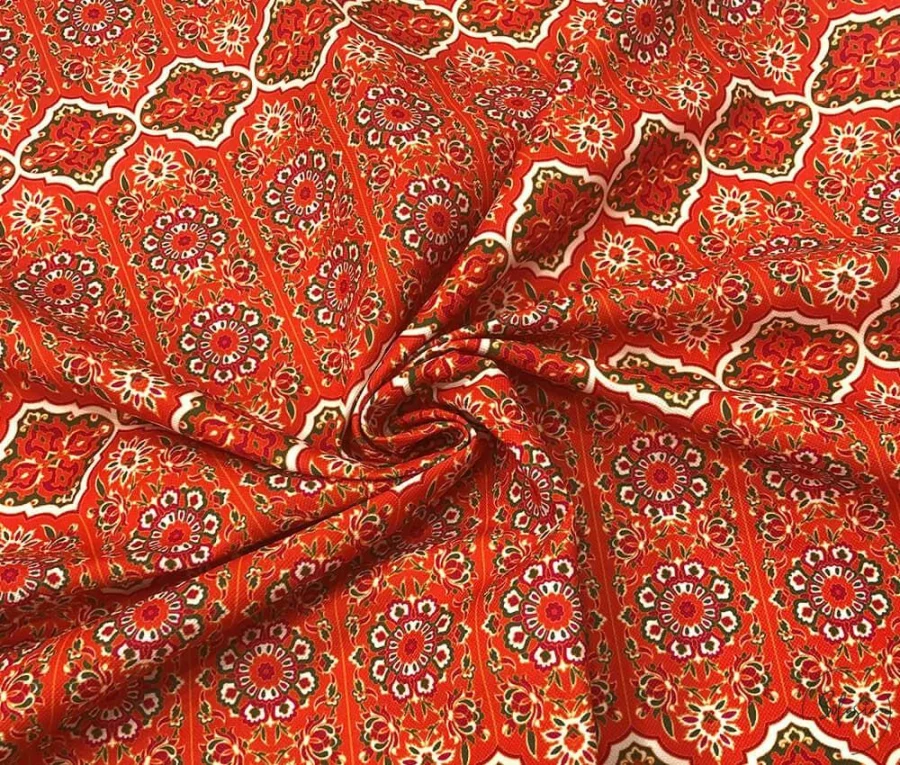
Smooth fabrics
These can create a cleaner and more refined appearance. They may suit modern interiors but may require more attention depending on the material.
Textured fabrics
These add depth and can make a room feel warmer. They are often useful when creating layered interiors with cushions, rugs, and natural materials.
Comfort is not only about softness. It also comes from how the material supports the overall feeling of the room.
Choose Fabric Based on the Type of Room
Different spaces have different expectations.
Family living rooms
Family rooms usually need a practical combination of durability and comfort.
Useful qualities include:
- Strong construction
- Easy cleaning
- Comfortable texture
- Resistance to frequent use
A family seating area should support daily activities without feeling too formal.
Guest rooms
Guest spaces are often used less frequently, which allows more flexibility.
You may prioritize:
- Decorative textures
- Richer colors
- More refined materials
- A specific design style
Because usage is lower, maintenance concerns may be different.
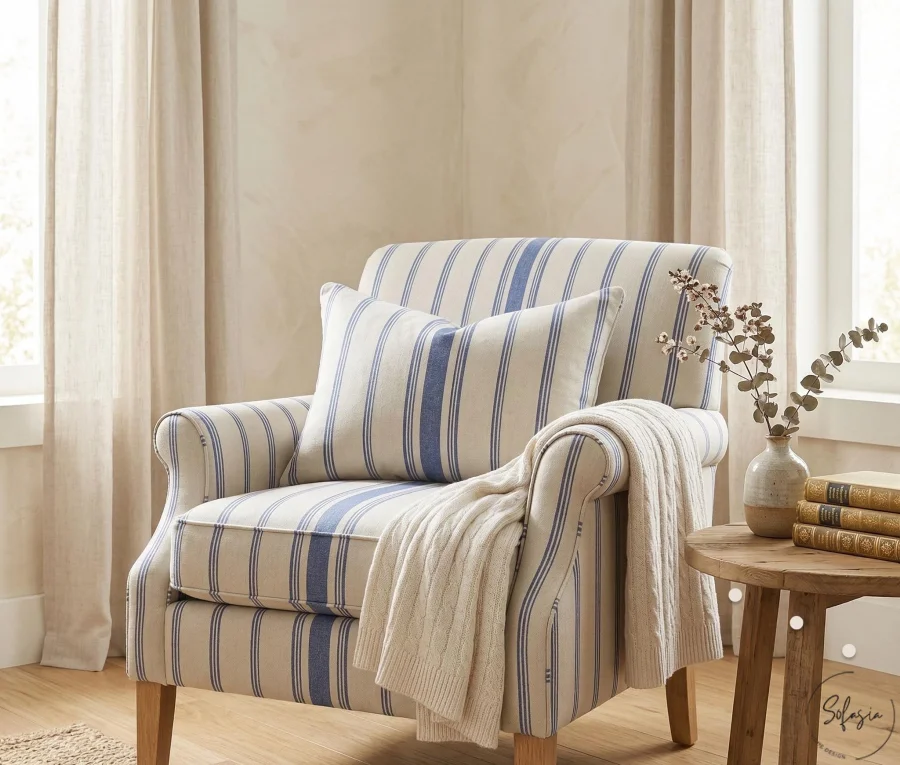
Lounge and relaxation areas
Relaxation spaces often focus on atmosphere.
Materials that create warmth and encourage comfort can work well here.
Soft fabrics, layered cushions, and natural textures can help create a more inviting environment.
If you want to create a relaxed, low-profile lounge area, explore our durable floor sofa collection designed for everyday family use.
Consider Color and Texture Together
Fabric choice is not separate from interior design. The material affects how colors appear.
A dark fabric with a smooth surface may feel very different from a dark fabric with a textured weave.
When selecting colors, consider:
- Room size
- Natural light
- Existing furniture
- Wall colors
- Rugs and curtains
For example, a textured neutral fabric can add depth without making a small room feel crowded.
A stronger color can create personality, but it should work with the overall room palette.
To refresh your seating without replacing the main fabric, you can pair it with removable covers from our seat cushion category
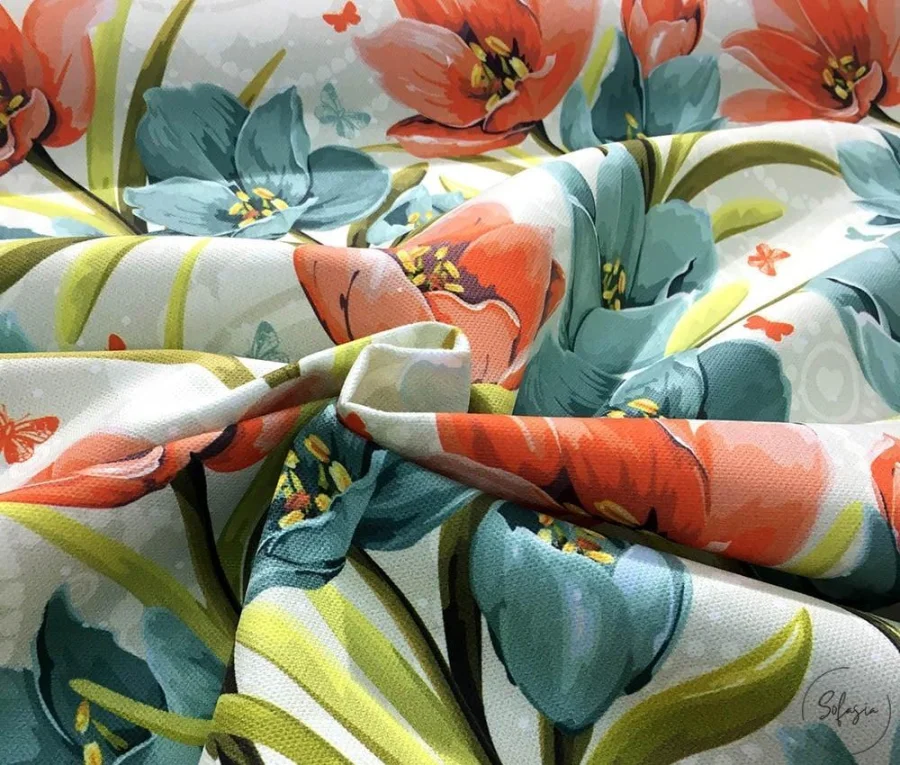
Natural Fabrics and Synthetic Fabrics: Understanding the Difference
Both natural and synthetic materials have advantages.
Natural fabrics
Materials with natural fibers often provide:
- A comfortable touch
- A breathable feeling
- A softer visual appearance
They can create a relaxed and organic atmosphere.
Synthetic fabrics
Synthetic materials are often chosen for practicality.
They may offer:
- Higher resistance to stains
- Easier maintenance
- Strong performance in busy homes
The right choice depends on your priorities. A family with active daily use may value easy care, while someone designing a calm reading space may focus more on texture and feel.

Think About Cushion Covers and Supporting Elements
The fabric covering the main seating area is only one part of the experience.
Cushions, throws, and other textiles also influence comfort and maintenance.
A practical approach is creating layers:
- Durable main fabric
- Washable cushion covers
- Easy-to-clean decorative textiles
- Replaceable accent pieces
This allows you to refresh the room without changing the entire seating arrangement.
For example, changing cushions can introduce new colors or patterns while keeping the main furniture consistent.
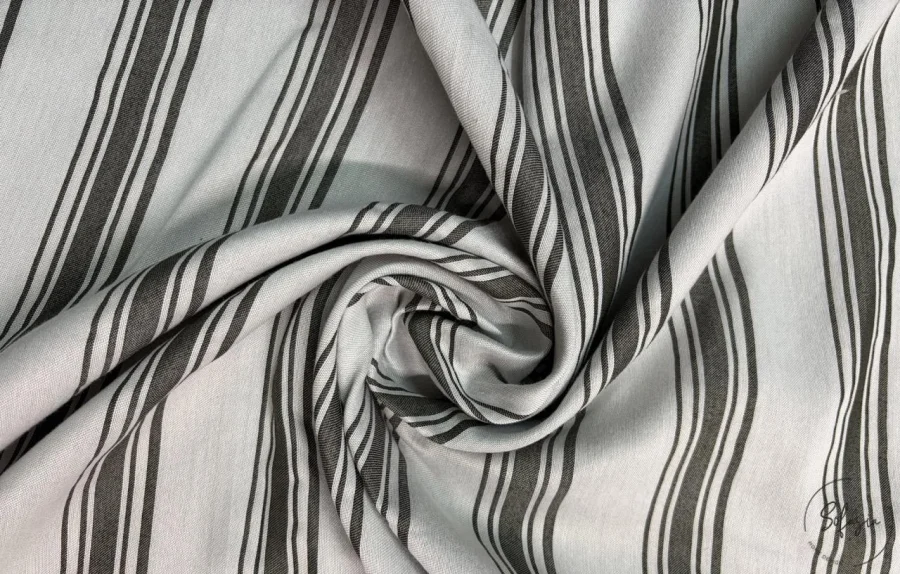
Common Fabric Selection Mistakes
Many problems happen because the fabric is chosen only based on appearance.
Choosing a delicate material for heavy use
A fabric that works well in a decorative room may not perform well in an active family space.
Ignoring cleaning requirements
Always consider how much maintenance you are realistically willing to do.
Forgetting about lighting
Fabric colors can appear different depending on sunlight and room lighting.
Choosing trends over long-term suitability
A popular color or texture may look attractive now but should still work with your home style over time.
Match Fabric Choice With Interior Style
Fabric can influence the personality of a room.
Modern interiors
Often benefit from:
- Clean textures
- Neutral tones
- Simple combinations
Traditional interiors
May work well with:
- Rich fabrics
- Layered patterns
- Warm colors
Oriental-inspired spaces
Often use:
- Textured textiles
- Deep colors
- Decorative cushions
- Layered materials
For spaces that focus on rich textures and cultural warmth, discover our oriental majlis seating options.
The fabric should support the room’s character rather than compete with it.
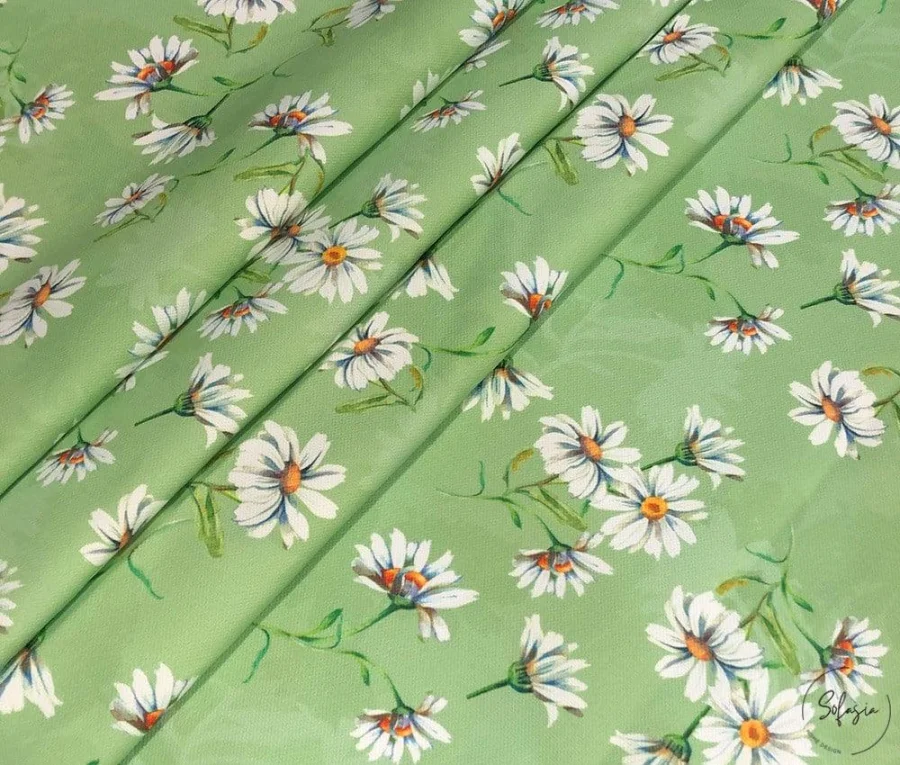
How to Choose a Fabric That Will Age Well
A good seating fabric should continue working as your home changes.
Before deciding, consider:
- Will the material still fit your style in a few years?
- Is it practical for your daily routine?
- Does it maintain its appearance?
- Can smaller elements be updated easily?
Long-term satisfaction usually comes from choosing a material that balances appearance, comfort, and everyday practicality.
Creating a Seating Space That Works for Real Life
The best fabric choice is not simply the strongest or the softest option. It is the one that fits the way your home is used.
Families need practicality. Guests need comfort and presentation. Relaxation areas need warmth and atmosphere.
By considering durability, maintenance, texture, and design together, you can create a seating area that feels comfortable and remains practical through everyday life.
A well-chosen fabric does more than cover furniture. It helps shape how people experience the room.
How to Choose the Best Seating Fabric for Busy Homes
Which seating fabric is best for homes with pets and kids?
Tightly woven synthetic fabrics or treated stain-resistant performance materials are ideal for active homes with children and pets because they resist wear and are easy to clean.
Are natural fabrics like cotton or linen good for daily seating?
Natural fabrics offer exceptional comfort and breathability, making them great for lounge areas. However, for high-traffic family rooms, blending natural fibers with synthetics often provides better stain and wear resistance.