Blog
How to Choose Colors and Patterns for an Oriental Seating Space

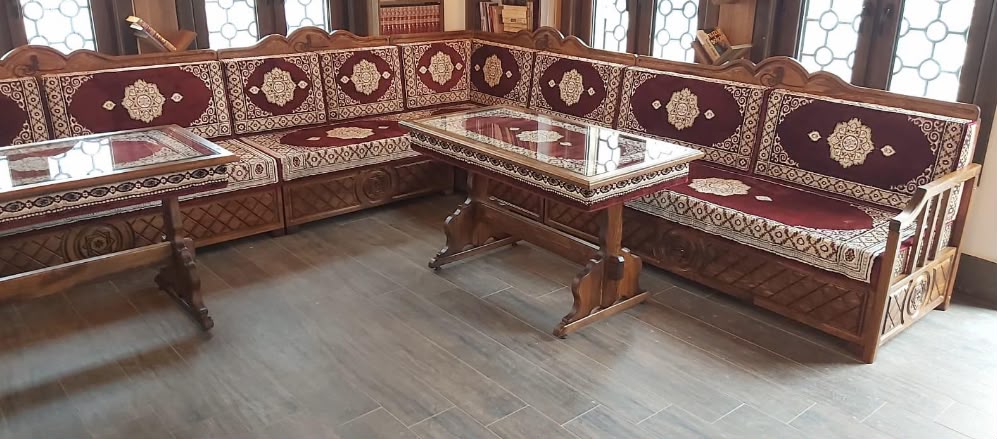
Creating an oriental seating space is not only about choosing rich colors or decorative patterns. The feeling of the room comes from how different elements work together.
Colors influence the atmosphere. Patterns add character. Textures create warmth and comfort. When these elements are balanced correctly, the space feels inviting rather than overwhelming.
A well-designed oriental seating area usually combines tradition with personal taste. It can feel elegant, relaxed, and practical at the same time.
The goal is not to fill every corner with decoration. It is to create a comfortable environment where colors, fabrics, and patterns support each other.
Understand the Character of Oriental Seating Design
Oriental-inspired interiors often focus on hospitality, comfort, and togetherness. Seating arrangements are usually designed to encourage conversation and create a welcoming atmosphere.
Traditional influences may include:
- Layered textiles
- Rich but balanced colors
- Decorative patterns
- Natural materials
- Comfortable low seating arrangements
However, modern homes often adapt these ideas in simpler ways. A contemporary oriental space does not need to look like a historical room. It can combine traditional details with cleaner lines and neutral backgrounds.
Understanding this balance helps prevent a common mistake: adding too many decorative elements without creating harmony.
A successful design usually has a clear visual foundation and carefully chosen accents.
Start With a Main Color Palette
The first step is choosing the overall color direction of the room.
Instead of selecting individual cushions or fabrics separately, think about the entire space.
A useful approach is creating three layers:
Base colors
These create the foundation of the room.
Examples:
- Beige
- Cream
- Warm grey
- Soft brown
- Natural tones
Base colors help larger elements feel calm and allow decorative details to stand out.
Supporting colors
These add depth and connect different parts of the room.
Examples:
- Deep blue
- Olive green
- Terracotta
- Burgundy
- Warm gold tones
Supporting colors work well in cushions, rugs, and smaller details.
Accent colors
These create personality.
A small amount of a stronger color can bring energy without making the room feel crowded.
For example, a neutral seating arrangement can gain character from a few carefully selected cushions with deeper tones.
The most comfortable interiors usually do not rely on too many competing colors.
Use Color Relationships Instead of Exact Matching
One of the biggest mistakes in interior design is trying to make every item the same color.
A room where cushions, curtains, rugs, and seating all match perfectly can feel flat.
Instead, consider relationships between colors.
Similar color combinations
Using different shades from the same family creates a calm and sophisticated look.
Example:
- Sand-colored seating
- Beige textiles
- Light brown details
- Cream accessories
Warm and cool balance
Combining warm and cool tones can prevent the room from feeling too heavy.
Example:
- Warm neutral fabrics
- Deep blue cushions
- Natural wood details
Earth-inspired palettes
Many oriental interiors work well with colors inspired by nature:
- Clay
- Stone
- Desert tones
- Forest shades
- Natural wood colors
These combinations create warmth while remaining comfortable for everyday living.
Choose Patterns Carefully
Patterns are one of the defining features of oriental-inspired spaces. They can add depth and visual interest, but too many strong patterns may make the room feel busy.
The key is creating a hierarchy.
Choose:
- One main pattern
- Supporting smaller patterns
- Some plain areas to provide visual rest
For example:
A patterned rug can become the focal point. Cushions and fabrics can then use simpler designs that complement it.
Or, if the cushions have detailed patterns, the surrounding elements can remain more neutral.
Patterns should guide the eye, not compete for attention.
Balance Traditional Patterns With Modern Spaces
Oriental patterns can work beautifully in contemporary homes when used thoughtfully.
A modern living room does not need every surface covered with decorative motifs. Small details can create the connection.
Examples include:
- Patterned cushions on a simple seating arrangement
- A traditional rug with modern furniture
- Decorative textiles combined with natural materials
- Rich fabrics paired with minimal backgrounds
This approach creates a space that feels inspired by tradition without becoming visually heavy.
For homes designed around relaxed, low seating arrangements, combining textiles and patterns carefully can create a warm gathering area.
We recommend that you take a look at our collection of oriental or majlis-inspired seating
Consider the Size of the Room
The same colors and patterns can create different effects depending on the room size.
Small spaces
Smaller rooms often benefit from lighter backgrounds and controlled patterns.
Helpful approaches include:
- Using fewer dominant colors
- Choosing smaller-scale patterns
- Keeping some areas visually simple
- Avoiding too many dark elements
A small room can still have rich oriental character. The difference comes from using details carefully.
Large spaces
Larger rooms can handle stronger visual elements.
Possible options include:
- Larger patterns
- Deeper colors
- Multiple textile layers
- More defined seating zones
The extra space allows decorative elements to breathe.
Match Patterns With Fabric Texture
Patterns are not only about visual design. The texture of the material changes how the pattern feels.
A detailed pattern on a soft fabric creates a different impression from the same design on a rougher textile.
Consider combining:
- Smooth fabrics with textured rugs
- Plain cushions with patterned throws
- Soft seating with natural materials
- Decorative textiles with wooden elements
This creates depth without relying only on color.
We recommend that you take a look at our collection of seat cushion category
Combine Comfort With Visual Balance
An oriental seating area should feel comfortable first. Decoration should support that feeling.
A common mistake is choosing fabrics and colors based only on appearance.
Think about:
- How people will sit
- How often the space is used
- Whether cushions need frequent adjustment
- How easy the materials are to maintain
A guest room may allow more delicate fabrics, while a family living area may need stronger and easier-care materials.
The best designs combine visual appeal with everyday practicality.
Common Mistakes When Choosing Colors and Patterns
Even carefully selected pieces can feel disconnected if some basic principles are ignored.
Using too many strong colors
Several bold colors competing together can make the room feel restless.
A calmer approach is choosing one or two main colors and supporting them with softer tones.
Mixing unrelated patterns
Different patterns can work together, but they should share something in common.
This connection may come from:
- Similar colors
- Similar scale
- Similar style inspiration
Forgetting the background elements
Walls, flooring, curtains, and lighting influence how colors appear.
A fabric that looks balanced in a showroom may feel different in your home.
Following tradition too literally
An oriental-inspired room does not need to copy a historical style completely.
Modern lifestyles often require simpler, more practical arrangements.
Add Natural Materials for Warmth
Natural materials often complement oriental-inspired interiors because they add texture and balance.
Wood, woven fabrics, and handmade-looking details can soften the overall appearance.
Wooden elements can create structure, while textiles add comfort.
This combination works especially well in homes that want a relaxed atmosphere with a sense of craftsmanship.
We recommend that you take a look at our collection of wooden seating styles
Create Layers Instead of Filling Every Space
A comfortable oriental seating area usually develops through layers.
These layers may include:
- Seating foundation
- Cushions
- Rugs
- Lighting
- Decorative textiles
- Natural materials
Each element should contribute something useful.
Adding more items does not always create a richer design. Sometimes removing unnecessary pieces allows the important details to stand out.
Designing an Oriental Seating Space That Feels Personal
The most successful oriental-inspired interiors reflect the people who use them.
Colors and patterns should create a feeling that matches your lifestyle. Some homes may prefer calm neutral tones with small decorative details. Others may enjoy deeper colors and richer textures.
The important part is balance.
A thoughtful combination of colors, patterns, and materials can create a seating space that feels warm, comfortable, and connected.
Traditional inspiration works best when it adapts naturally to modern living.