Blog
Which Seating Style Works Best for Small Apartments, Family Rooms, and Lounge Areas?

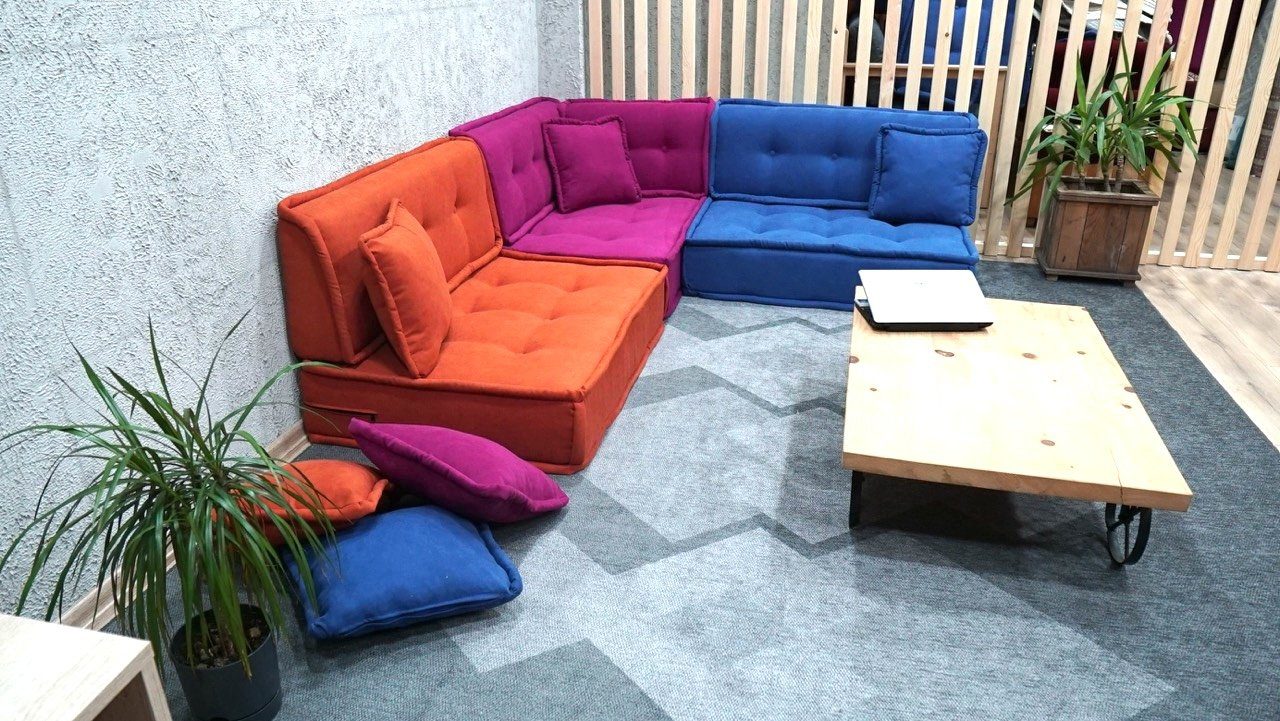
The right seating style depends heavily on how a room is used. A small apartment needs smart space management, a family room needs durability and comfort, while a lounge area may focus more on relaxation and atmosphere.
There is no single seating arrangement that works for every home. The best choice comes from understanding the relationship between space, daily habits, and personal comfort preferences.
A seating solution should not only fit the room physically. It should also support movement, social interaction, and the way people spend time together.
Consider the Room Function Before Choosing Seating
The first question should not be “Which style looks best?” It should be “How will this space be used?”
A seating arrangement affects how people move, communicate, and relax.
Think about:
- How many people use the room daily?
- Is the space mainly for relaxation or entertaining guests?
- Does the room have multiple functions?
- Do you need flexibility or a permanent layout?
- How much storage and open space are available?
A living room used every evening by a family requires different features from a quiet corner used occasionally.
Understanding the purpose of the room makes the decision process much easier.
Seating Ideas for Small Apartments
Small apartments often require furniture that creates comfort without overwhelming the available space.
The challenge is finding a balance between having enough seating and keeping the room open.
Flexible and low-profile seating
Lower seating arrangements can help small rooms feel more spacious because they reduce visual weight.
Floor-level seating can create a relaxed atmosphere while keeping sightlines open.
[Internal link: floor sofa collection]
This approach can work well for:
- Studio apartments
- Small living rooms
- Multi-purpose spaces
- Reading corners
The lower height allows the room to feel less crowded, especially when combined with light colors and simple layouts.
Multi-purpose pieces
In smaller homes, every piece should contribute to the room.
Flexible seating elements can serve different purposes:
- Extra seating for guests
- Relaxation areas
- Decorative accents
- Temporary arrangements when space is needed
Pouf-style seating and movable cushions are examples of pieces that can adapt as needs change.
Avoid oversized arrangements
A common mistake in small apartments is choosing seating based only on comfort while ignoring proportions.
A large piece may feel comfortable but reduce walking space and make the room harder to use.
Before choosing seating, measure:
- Wall length
- Door openings
- Walking paths
- Distance between furniture pieces
A smaller but well-planned arrangement often feels more comfortable than a crowded room.
Seating Choices for Family Rooms
Family rooms usually need to handle daily activity. Comfort is important, but practicality becomes equally significant.
A family-friendly seating arrangement should support:
- Long sitting periods
- Different age groups
- Frequent movement
- Easy maintenance
Durable materials
Families often benefit from materials that can handle regular use.
Consider:
- Fabric durability
- Cleaning requirements
- Cushion maintenance
- Resistance to everyday wear
The most attractive option is not always the most practical one for a busy household.
Flexible layouts
Family rooms often change throughout the day.
A room may become:
- A movie area in the evening
- A play area during the day
- A gathering space during weekends
Flexible seating allows the room to adapt without major changes.
Modular arrangements or movable seating pieces can be useful when the household regularly changes how the space is used.
Seating Ideas for Lounge Areas
Lounge areas are usually designed around comfort and atmosphere rather than maximum practicality.
These spaces often focus on creating a relaxed environment for:
- Reading
- Conversations
- Resting
- Quiet moments
Soft textures and layered comfort
Lounge spaces benefit from materials that create warmth.
Consider combining:
- Soft fabrics
- Comfortable cushions
- Textured rugs
- Natural materials
The goal is creating a space that encourages people to stay longer.
Relaxed layouts
Unlike formal seating arrangements, lounge areas often work better with a less structured approach.
Instead of arranging every piece around a strict shape, consider creating a more natural flow.
People should be able to sit comfortably without feeling restricted by the layout.
Fixed, Modular, and Floor-Level Seating Differences
Different seating structures offer different advantages.
Fixed seating
Fixed seating provides stability and a consistent appearance.
It works well for:
- Rooms with permanent layouts
- Traditional living spaces
- Homes where furniture is rarely moved
Its limitation is reduced flexibility.
Modular seating
Modular designs offer more adaptability.
They are useful for:
- Changing room layouts
- Growing families
- Multi-purpose spaces
The ability to rearrange sections can extend the usefulness of the furniture over time.
Floor-level seating
Floor-level seating creates a relaxed and informal environment.
It is often suitable for:
- Casual lounges
- Social seating areas
- Homes inspired by traditional low seating styles
The right choice depends on comfort preferences and how people use the room.
Match Seating Style With Interior Design
The seating should feel connected to the overall character of the home.
Modern interiors
Modern spaces often work well with:
- Simple shapes
- Neutral colors
- Clean layouts
- Controlled textures
The focus is usually on balance and visual simplicity.
Traditional interiors
Traditional rooms may benefit from:
- Richer fabrics
- Layered textiles
- Natural materials
- Decorative details
Oriental-inspired spaces
Oriental seating areas often emphasize hospitality and comfort. They typically feature layered cushions, low arrangements, warm colors, and textured fabrics. If you are designing a cozy lounge or traditional hosting space, explore our authentic oriental and majlis-inspired seating options to find the perfect match. The key factor is creating harmony between the seating and the rest of the room.
The important factor is creating harmony between the seating and the rest of the room.
Materials Matter More Than Appearance Alone
The material choice affects how seating feels and performs over time.
Consider:
Fabric texture
Soft fabrics can create a warmer atmosphere, while structured fabrics may offer a cleaner appearance.
Cushion support
The filling affects:
- Firmness
- Shape retention
- Sitting comfort
Maintenance
Maintenance
Think about how the seating will be cleaned and cared for. A seating style should match both your design preferences and your daily routine. For easy upkeep and customizable comfort, browse our seat cushion category to find washable and supportive options.
Common Seating Mistakes to Avoid
Many problems come from choosing furniture without considering the room as a whole.
Ignoring measurements
Always measure before choosing seating.
A piece that looks appropriate online may not fit comfortably in your actual space.
Blocking movement
A comfortable room still needs clear pathways.
Leave enough space for:
- Walking
- Cleaning
- Opening doors
- Moving around furniture
Choosing style over lifestyle
A visually attractive arrangement may become frustrating if it does not support everyday use.
Adding too many elements
More furniture does not always create more comfort.
A balanced room usually has enough seating without feeling crowded.
How to Create a Seating Arrangement That Lasts
A good seating choice should continue working as your lifestyle changes.
Before deciding, consider:
- Current room usage
- Future needs
- Maintenance expectations
- Comfort preferences
- Interior style
The best seating arrangements are flexible enough to adapt but structured enough to remain practical.
Finding the Right Balance Between Comfort and Function
Small apartments, family rooms, and lounge areas all have different requirements.
A small apartment may benefit from flexible, space-conscious seating. A family room may need durability and adaptability. A lounge area may prioritize softness and atmosphere.
The most successful interiors are created when seating supports the way people actually live.
Comfort is not only about the furniture itself. It comes from how the entire room works together.