Blog
How to Choose the Right Sofa Style for Floor Living and Casual Entertaining

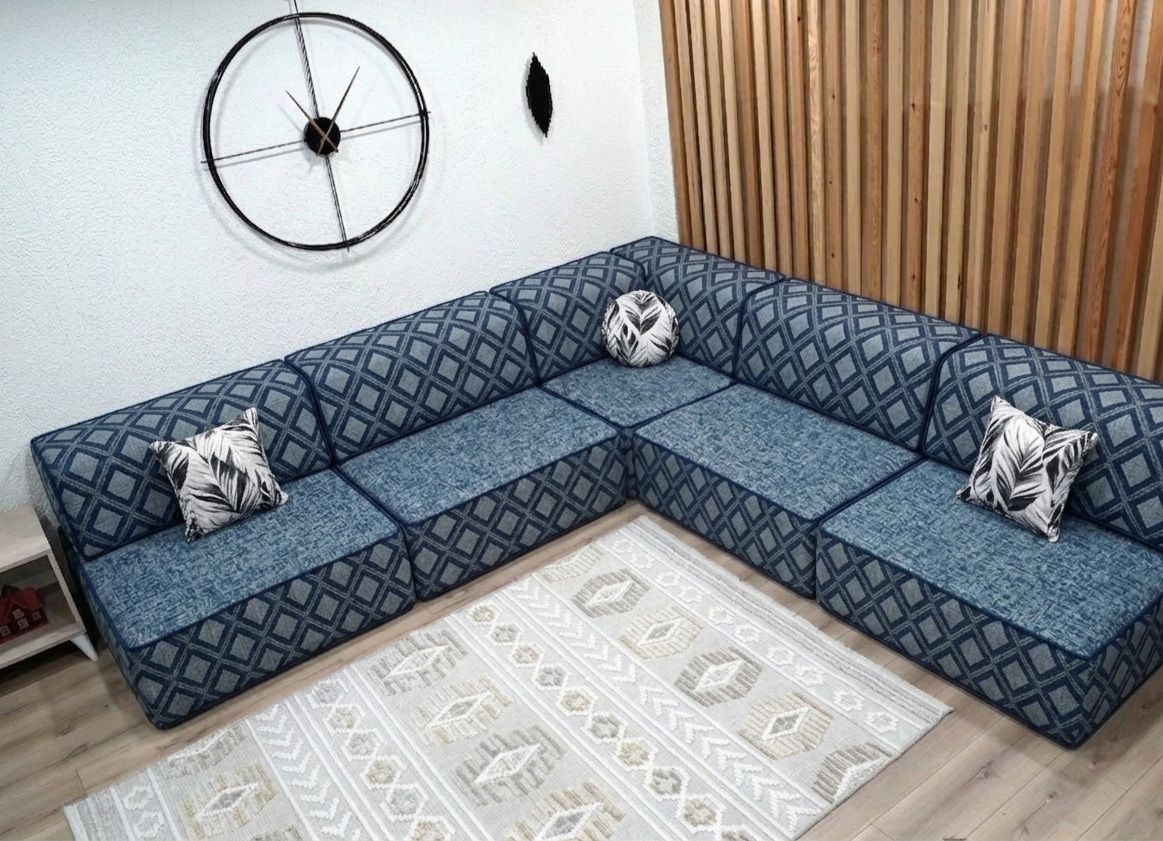
Floor living creates a different relationship with a room. Instead of arranging furniture around a traditional seating height, the space becomes more relaxed, flexible, and centered around conversation.
Many modern homes are moving toward informal living areas where people can sit comfortably, host friends, read, drink coffee, or spend time together without the formality of a conventional sofa arrangement.
Choosing the right seating style for this type of lifestyle requires thinking beyond appearance. The height of the seating, the way people move around the room, the available space, the materials, and the expected daily use all influence whether the arrangement feels comfortable and practical.
A well-planned floor living space should feel inviting while still supporting everyday habits. This guide explains the key factors to consider when choosing a sofa style for relaxed living and casual entertaining.
Start by Understanding How You Use the Space
Before choosing a sofa style, consider the activities that will happen in the room most often.
A seating area designed mainly for occasional guests may have different requirements from one used every evening by a family.
Ask yourself:
- Will people sit for short conversations or long periods?
- Is the room mainly for relaxation, entertainment, or social gatherings?
- Do you prefer an informal atmosphere or a more structured arrangement?
- Will children use the space frequently?
- Does the seating need to be moved or rearranged?
A floor-based living area often encourages longer, more relaxed sitting sessions. This means comfort, support, and flexibility become more important than simply matching a particular visual style.
For example, a low seating arrangement in a guest room may focus on atmosphere and design, while the same concept in a family living room needs durable materials and practical maintenance.
Consider the Room Layout Before Choosing the Seating Style
The size and shape of the room should guide your decisions.
A common mistake is choosing seating first and trying to adapt it to the room afterward. A better approach is understanding how the furniture will affect movement, conversation, and visual balance.
Small rooms
In smaller spaces, low-profile seating can create an open feeling because it reduces visual height and leaves more open wall space.
However, filling every available area with cushions or seating elements can make the room feel crowded.
Consider:
- keeping clear walking paths
- using flexible seating pieces
- avoiding oversized arrangements
- maintaining some empty floor space
A smaller room often benefits from simplicity rather than excessive furniture.
Large rooms
Large spaces provide more opportunities for creating social zones.
A larger floor living area can include:
- multiple seating directions
- separate conversation areas
- additional cushions or occasional seating
- decorative elements that connect different areas
The challenge is avoiding a disconnected feeling. If seating pieces are placed too far apart, conversation becomes less natural.
Open-plan homes
In open layouts, seating can help define a living area without using physical walls.
A rug, lighting arrangement, or difference in texture can visually separate the seating zone from dining or kitchen areas.
The goal is creating a clear purpose for the space while keeping the overall home feeling connected.
Find the Right Balance Between Soft Comfort and Support
Floor living is often associated with relaxation, but comfort depends on more than softness.
A seating arrangement that feels comfortable for ten minutes may not remain comfortable during a long evening with friends.
Several elements influence the experience:
Seat depth
Deeper seating encourages lounging and relaxed positions, while shallower seating creates a more upright and structured feeling.
The right choice depends on how people naturally sit.
Cushion firmness
Very soft cushions may feel comfortable initially but can lose support during extended use.
A balanced cushion should provide enough softness for relaxation while maintaining enough structure for sitting comfortably.
Back support
Some floor seating arrangements rely on cushions placed against walls, while others use structured back elements.
Think about who will use the room. Younger users may enjoy very relaxed seating positions, while guests of different ages may appreciate additional support.
Click for our floor sofa collection: sofasia.com/floor-sofas
Low seating solutions can work particularly well in informal living areas where comfort and conversation are the main focus.
Match the Sofa Style With Your Interior Design Direction
Floor living does not belong to only one decorating style. It can be adapted to many different interiors.
Modern minimalist spaces
A simple arrangement with neutral colors, clean shapes, and natural textures can create a calm atmosphere.
The focus is usually on:
- material quality
- balanced proportions
- fewer decorative elements
- visual simplicity
Traditional or oriental-inspired interiors
These spaces often benefit from richer textures, layered fabrics, and decorative details.
Patterns, warm colors, and handcrafted elements can create a more expressive environment.
Scandinavian or natural interiors
Natural materials, soft colors, and comfortable textiles work well with relaxed floor seating.
The emphasis is often on warmth, practicality, and creating a peaceful everyday environment.
Multifunctional homes
For apartments or smaller homes, flexibility becomes especially valuable.
A seating arrangement that can transform for guests, reading, relaxing, or occasional sleeping provides more long-term usefulness.
The most successful designs usually reflect the personality and routines of the people living there rather than following a strict style category.
Choose Materials Based on Real-Life Use
The fabric and construction of seating have a significant effect on daily experience.
A material that looks attractive in a showroom may not always be suitable for everyday life.
Consider these factors:
Frequency of use
A seating area used every day requires materials that can handle regular contact, movement, and cleaning.
Guest spaces can allow more decorative choices because they experience less wear.
Cleaning requirements
Homes with children, pets, or frequent visitors may benefit from practical fabrics that are easier to maintain.
A relaxed living style often means the furniture should be easy to live with rather than requiring constant care.
Texture and atmosphere
Materials influence how warm or formal a room feels.
Soft textiles can make a space feel welcoming, while structured materials can create a more refined appearance.
Combining different textures often creates a more layered and comfortable environment.
Click for seat our cushion category: sofasia.com/seat-cushions
Thoughtfully selected cushions and textiles can change both the comfort and visual character of a floor living area.
Think About Entertaining: Design Around People, Not Just Furniture
Casual entertaining works best when the room naturally encourages interaction.
Traditional seating layouts often focus on directing everyone toward one point, such as a television. A more social arrangement allows people to face each other comfortably.
Consider:
Conversation distance
People should be close enough to communicate easily without feeling crowded.
Flexible seating
Additional cushions, poufs, or movable pieces allow the room to adapt when guests arrive.
Shared center space
A central area for coffee tables, trays, games, or shared items helps bring people together.
The best entertaining spaces do not feel carefully arranged. They feel effortless because the layout supports natural movement and conversation.
Common Mistakes When Creating a Floor Living Area
A few planning mistakes can reduce both comfort and practicality.
Choosing appearance over daily comfort
A seating style may look impressive but become uncomfortable if it does not match how people actually sit.
Think about real usage rather than only visual impact.
Ignoring room proportions
Large seating in a small room can make movement difficult. Small arrangements in large rooms may feel disconnected.
Always consider the relationship between furniture size and available space.
Creating too little flexibility
A fixed arrangement may work for one purpose but become limiting over time.
Flexible seating often provides better long-term value.
Using too many design elements
Floor living already creates a strong visual character. Adding too many patterns, colors, or accessories can make the room feel busy.
Balance is usually more effective than excess.
Forgetting storage
Cushions, blankets, and accessories need a place when not in use.
Storage planning should be part of the design from the beginning.
Choosing a Sofa Style That Fits Your Lifestyle
The right floor living arrangement is not defined by one specific sofa shape or decoration style.
It depends on understanding your room, your habits, and the atmosphere you want to create.
A comfortable casual seating area should support conversation, relaxation, and everyday life while maintaining visual harmony with the rest of the home.
Think about how people sit, how the room flows, how materials will age, and how the space may need to adapt in the future.
When these details are considered together, floor living becomes more than a design choice. It becomes a way of creating a warmer, more connected home environment.