Blog
Premium Sofa & Upholstery Fabrics – Ikat, Boucle & Handcrafted Textile Collections

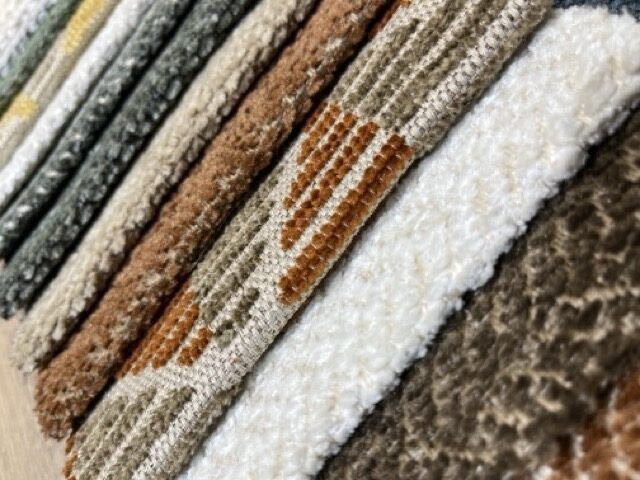
Choosing upholstery fabric is rarely just about color or pattern. The fabric on a sofa, bench, reading chair, or floor seating piece affects how the room feels, how comfortable the seat becomes over time, and how well it holds up to real life. A textile that looks refined in a showroom can feel too delicate in a busy family room, while a durable fabric may fall flat if it does not suit the mood of the space.
That is why fabric selection works best when it starts with practical questions. Will the seating be used every day or only occasionally? Do you want a soft, relaxed look or a more tailored one? Is the room formal, laid-back, compact, or multifunctional? The answers shape everything from texture and weave to maintenance and long-term comfort. This guide breaks down how to think through premium upholstery fabrics in a way that is useful for real homes, not just mood boards.
Start With the Way the Seating Will Actually Be Used
Before comparing fabric types, it helps to define the role of the seating itself. Upholstery choices make much more sense once you know how the piece is expected to perform.
A formal accent chair in a quiet sitting room can handle a more expressive fabric with visual texture or a delicate artisanal look. A main sofa in a family living room usually needs something more forgiving, especially if it will deal with daily lounging, pets, children, or frequent guests. The same goes for low seating and casual lounge areas, where the fabric is in constant contact with clothing, blankets, and skin.
This is also where room function matters. In a reading corner, comfort and softness may matter more than stain resistance. In a guest room, visual impact may take the lead because the furniture is used less often. In a high-traffic living area, durability and cleanability usually deserve more weight than trend appeal.
A few questions help narrow the field quickly:
- Is the seating for everyday use or occasional use?
- Will people sit upright, lounge deeply, or both?
- Does the room get heavy sunlight?
- Are pets, children, or food part of daily use?
- Do you want the fabric to stand out or blend quietly into the room?
Once these answers are clear, fabrics stop feeling interchangeable. You begin to see why boucle works beautifully in one setting and feels impractical in another, or why a patterned textile may be better on an accent piece than on the most-used seat in the home.
Texture Changes More Than Appearance
People often choose upholstery by looking first and touching second. In practice, texture is one of the biggest factors in how seating feels and how the whole room reads visually.
Boucle is a good example. Its looped surface creates softness, depth, and a cocooning effect that works especially well in calm, modern interiors. It can make simple furniture shapes feel warmer and less stark. In a minimalist room, that texture may be exactly what prevents the space from feeling flat or overly cold.
At the same time, boucle creates a softer silhouette. It visually blurs edges and makes seating feel more relaxed. That is great if you want an inviting, tactile atmosphere. It is less effective if you prefer a crisp, tailored look or if the piece needs to read more structured.
Ikat and other patterned woven textiles do something different. They add movement, personality, and cultural texture. A fabric with visible pattern variation can give a simple bench or lounge seat much more presence. It also helps disguise minor wear better than flat, solid fabrics in some cases, since the eye is not focused on a single uninterrupted surface.
Handcrafted textiles, including batik-inspired or Moroccan-influenced fabrics, often bring subtle irregularity. That irregularity is part of the appeal. It gives upholstery depth and character that machine-perfect surfaces sometimes lack. In a room that already has smooth finishes like painted walls, glass, or polished wood, these textiles can introduce warmth that feels grounded rather than decorative for its own sake.
The key distinction is this: smooth fabrics tend to emphasize shape, while textured fabrics tend to emphasize atmosphere. If the furniture form is already strong, texture can soften it. If the silhouette is simple, pattern or weave can add personality without changing the structure.
Durability Means Matching the Fabric to the Lifestyle
Premium fabric does not always mean “delicate” or “luxurious-looking.” In many cases, premium means the textile performs well for the kind of life it is meant to support.
Durability starts with fiber quality, weave density, and finishing, but those technical qualities only matter if they align with how the seating will be used. A beautifully woven artisanal fabric may be a strong choice on a decorative bench or occasional-use piece, yet not the most practical option for the main seat where people sprawl every evening.
For daily-use upholstery, it helps to think in terms of friction, pressure, and maintenance. The most-used seats wear down first on contact points: front edges, arm areas, back support zones, and seat centers. Fabrics that pill easily, snag easily, or flatten too quickly tend to show age sooner in those spots.
Households with children or pets usually benefit from fabrics that are visually forgiving as well as physically durable. Mid-tone colors, textured surfaces, and subtle patterns often age more gracefully than very light flat weaves or very dark fabrics that show lint immediately. This is not about lowering standards. It is about choosing a fabric that still looks good on an ordinary Tuesday.
Sun exposure matters too. A seat placed near a bright window may fade unevenly over time if the fabric is not suited to light exposure. In sunny rooms, it is worth thinking beyond the sample swatch and considering how the textile will look after months of daylight.
If you are styling a relaxed lounge setup with low-profile seating, layered cushions, or a casual reading area, durable tactile fabrics often make more sense than polished showpiece textiles. In those spaces, comfort is part of the visual language. Readers exploring grounded lounge arrangements may also want to browse a softer, lower-profile seating direction here: floor sofa collection
Pattern, Color, and Visual Weight Need to Suit the Room
A premium fabric can still feel wrong if its scale, color, or pattern weight does not match the room. This is where upholstery decisions move beyond fabric quality and into spatial balance.
Large patterns tend to read best in open rooms or on larger furniture forms, where they have space to breathe. In smaller rooms, bold motifs can feel crowded if everything else in the space is already visually active. That does not mean patterned upholstery should be avoided in compact interiors, only that scale becomes more important. A softer ikat, small floral repeat, or restrained woven motif often works better than a large high-contrast design in a tight room.
Color has a similar effect on visual weight. Pale boucle or soft neutral weaves can brighten a room and make seating feel lighter, but they also reveal shadows, marks, and texture shifts more readily. Deep tones feel grounding and rich, though they can make bulky furniture look heavier if the room is small or lacks natural light.
This is one reason room size should influence fabric choice:
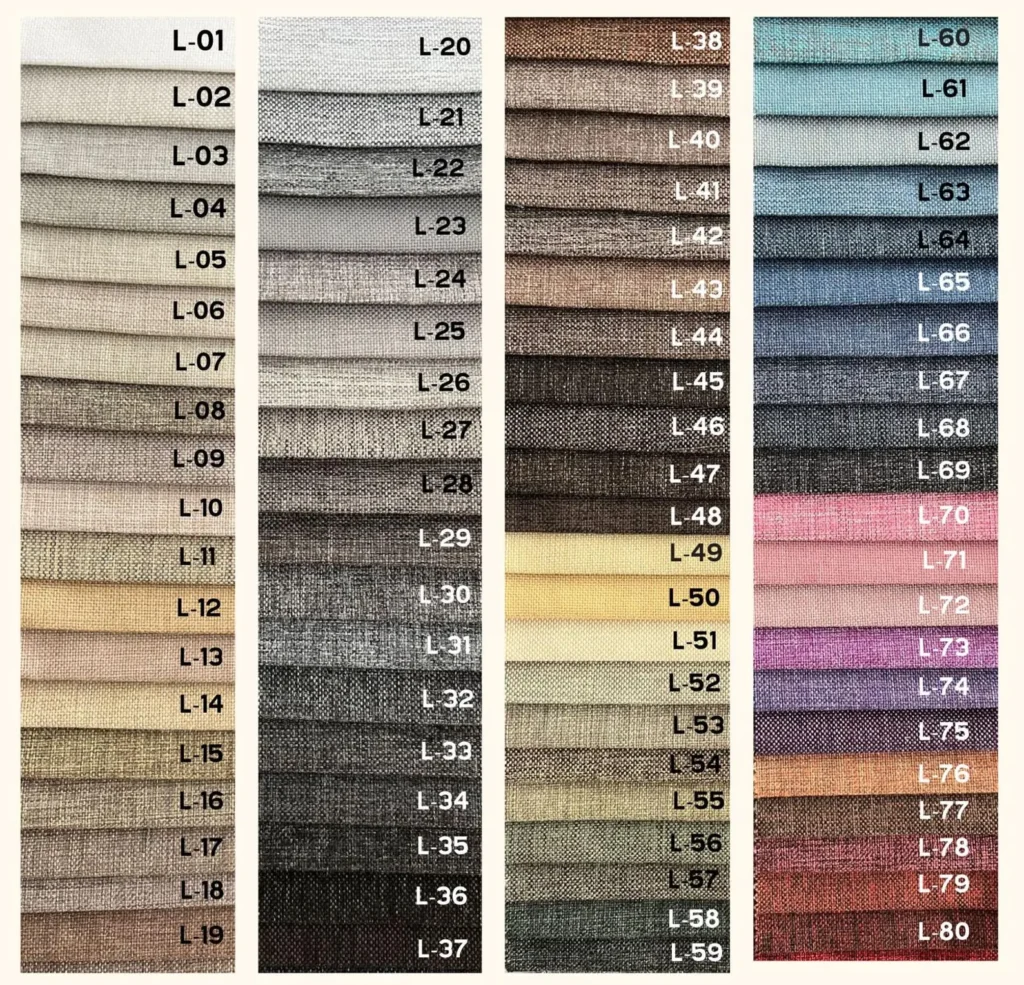
https://sofasia.com/fabric/
Small rooms
In smaller spaces, upholstery usually works best when it supports openness rather than fighting it. Soft neutrals, low-contrast textures, and fabrics that do not dominate visually can help seating feel integrated. Too many heavy patterns or dark dense surfaces can make the room feel tighter than it is.
Larger rooms
In larger living rooms or open-plan spaces, upholstery often needs more visual presence. Richer texture, stronger pattern, or deeper tones can prevent the seating area from feeling washed out or unfinished.
Traditional vs modern interiors
Modern interiors often benefit from tactile but restrained fabrics such as boucle, brushed weaves, or subtle textured solids. More traditional or globally influenced interiors can carry patterned textiles, artisanal weaving, and decorative detailing with greater ease.
The goal is not to follow a rulebook. It is to make sure the fabric speaks the same language as the room.
Some Fabrics Are Better for Atmosphere, Others for Everyday Ease
Not every upholstery fabric does the same job, even when all of them are technically high quality. Some are chosen for tactile comfort, some for visual depth, and some for how well they manage repeated use.
Boucle is often selected for softness and warmth. It works especially well in reading corners, calm lounges, and interiors that lean minimalist or contemporary. Its appeal is emotional as much as visual. It makes a room feel softer and more settled. The trade-off is that highly textured surfaces can need more care, especially in homes where snagging or constant rubbing is a concern.
Ikat fabrics bring energy and individuality. They are especially effective when the goal is to make a single seat, bench, or cushion arrangement feel distinctive. In homes with otherwise neutral foundations, ikat can introduce layered character without needing a full redesign. It is often better used where it can be appreciated as a textile feature rather than buried across every seat in a busy room.
Batik-inspired and floral fabrics create a gentler decorative effect. These can work well in guest rooms, lighter sitting spaces, or interiors that need softness rather than contrast. The reason they work is not simply that they “look elegant.” It is that they can break up hard lines and create a more relaxed rhythm in the room.
Moroccan and handcrafted textiles often suit spaces where warmth, texture, and cultural layering are central to the mood. They are particularly effective in majlis-inspired arrangements, lounge corners, and homes that mix natural materials with softer seating. In that kind of setup, complementary layered pieces can make the room feel more cohesive rather than overly matched. A natural next step for readers exploring flexible layered seating might be: seat cushion
Common Fabric Mistakes That Cause Regret Later
Many upholstery decisions go wrong for predictable reasons. The fabric is chosen in isolation, based on a small swatch, a trend image, or a first impression without enough thought about scale and use.
A few mistakes come up often:
- Choosing the fabric before defining the room’s needs
A fabric can be beautiful and still unsuitable. Start with function, then style. - Ignoring how texture affects silhouette
Thick, nubby fabrics soften the lines of furniture. Smooth fabrics highlight structure. - Using delicate-looking textiles on high-use seating
The main sofa usually needs performance as much as personality. - Judging color under one type of light
A fabric can look balanced in the evening and too cool or too dull in daylight. - Going too trend-driven on large upholstery pieces
Trendy textures can be appealing, but upholstery is harder to change than throw pillows or accessories. - Forgetting the maintenance reality
A fabric that requires constant care often becomes frustrating, no matter how good it looks.
One of the most useful ways to avoid these mistakes is to imagine the furniture after a year of use, not just on the day it arrives. Will the surface still feel inviting? Will the color still work through different seasons? Will it still make sense for the household you actually have?
How to Choose a Fabric That Still Feels Right Long Term
The best upholstery choices usually come from balancing three things: comfort, visual fit, and practical durability. If one is missing, the result tends to feel off. A room may look polished but not inviting, or it may feel cozy while wearing out too quickly.
Long-term thinking helps. A soft textured fabric can be worth the extra care if the piece is central to how you relax every day. A patterned artisanal textile may be the right choice if the room needs identity and warmth more than simplicity. A denser, more understated weave may be smarter if the seat needs to work hard without drawing too much attention to itself.
It also helps to think in layers rather than single decisions. Upholstery does not have to do everything alone. If you love a delicate or expressive fabric, it may work better on one key piece while the rest of the room stays grounded with simpler textures. That approach often creates more depth than making every upholstered surface compete for attention.
A strong final check is to ask:
- Does this fabric suit the way the seat will be used?
- Does it support the mood of the room?
- Will it still make sense a few years from now?
- Am I choosing it for daily life or just for first impressions?
Premium upholstery fabrics earn their place not because they sound luxurious, but because they improve how a room looks, feels, and functions over time. The right one brings comfort without carelessness, style without strain, and character without sacrificing usability. That balance is what makes an upholstered piece feel truly considered.
🟢 FAQ
- What are premium upholstery fabrics?
They are high-quality textiles designed specifically for sofas and seating furniture. - Is ikat fabric suitable for sofa upholstery?
Yes. Ikat fabrics are durable and add unique visual character to sofas. - What makes boucle fabric popular for sofas?
Its soft, textured surface offers comfort and a modern aesthetic. - Are premium upholstery fabrics durable?
Yes. They are designed to withstand daily use while maintaining appearance. - Can upholstery fabrics be used for custom furniture?
Absolutely. Premium fabrics are ideal for custom sofa and seating designs. - What interior styles suit premium upholstery fabrics?
They work well with modern, minimalist, bohemian, and classic interiors. - Are handcrafted upholstery fabrics unique?
Yes. Handmade textiles feature subtle variations that highlight craftsmanship. - Do premium fabrics require special maintenance?
Maintenance depends on fabric type, but most are designed for easy care. - Are floral fabrics suitable for everyday sofas?
Yes, when made from premium materials, floral fabrics are both decorative and durable. - Can premium upholstery fabrics be shipped worldwide?
Yes. Many collections are available for worldwide delivery.