Blog
Pallet Sofa Cushions – Durable Indoor & Outdoor Comfort Solutions

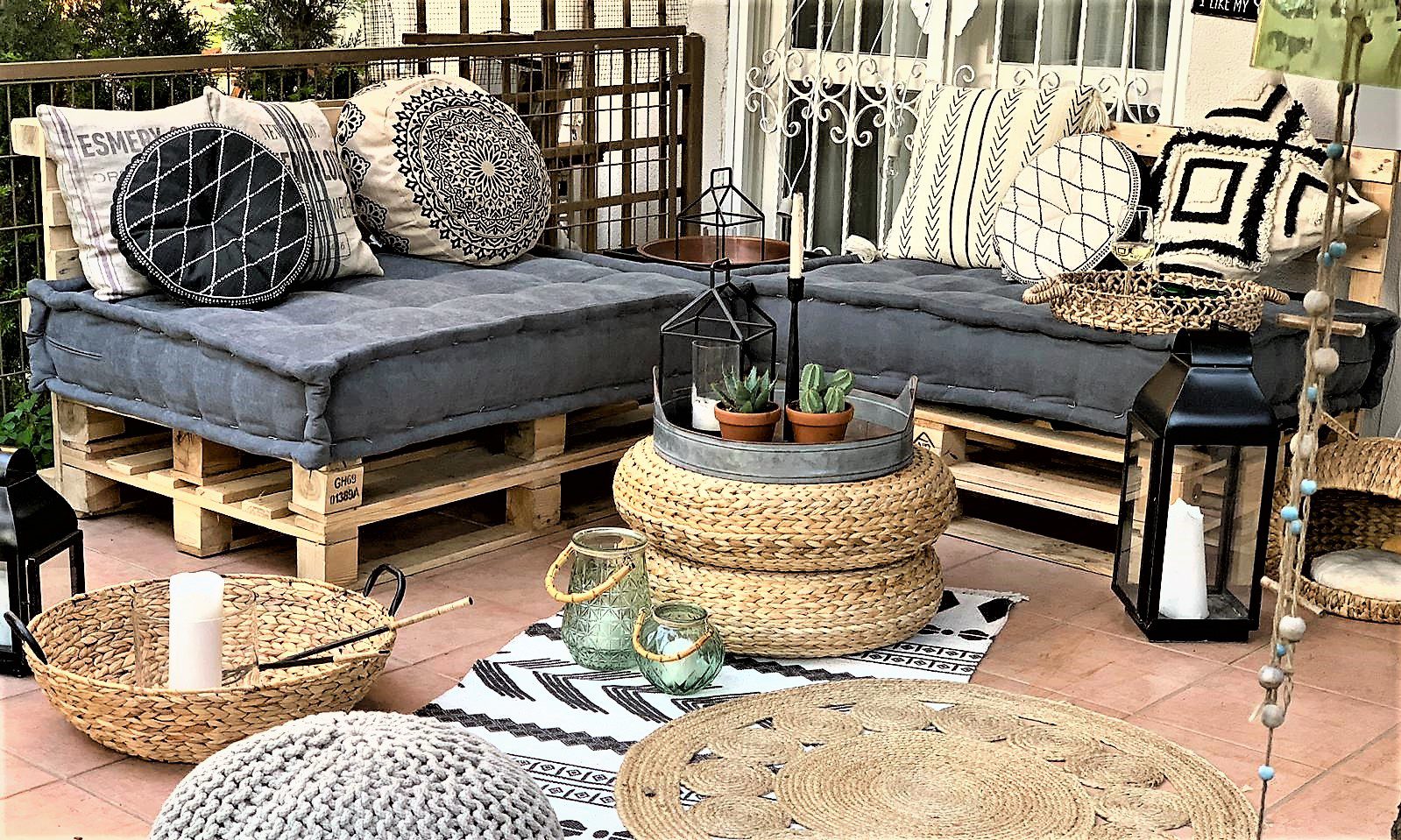
Pallet seating can look effortless, but comfort depends almost entirely on the cushions. A simple wooden base can become a genuinely inviting place to sit, lounge, read, or host guests if the cushion size, thickness, support, and fabric are chosen well. If those details are off, the setup often feels makeshift no matter how good it looks in photos.
That is why pallet sofa cushions deserve more thought than people often give them. The right choice is not just about matching pallet dimensions. It also involves how the seating will be used, whether it is indoors or outdoors, how much structure you want, and how easy the cushions will be to maintain over time. This guide breaks down the practical side of choosing pallet sofa cushions so the finished setup feels comfortable, functional, and visually well considered.
Start With Function Before You Think About Fabric or Color
The first decision is not upholstery. It is use. Pallet seating can serve very different purposes, and the cushion should reflect that from the start.
A pallet setup used as a main living room sofa needs different support from one used occasionally on a covered terrace. A reading corner benefits from a more supportive backrest and seat depth that encourages longer sitting. A casual outdoor lounge can lean softer and more relaxed, especially if the space is mostly used for short gatherings or laid-back evenings.
This is where many people get it wrong. They choose a fabric they like, then try to make it work for a setup that has very different comfort demands. It works better the other way around.
A few early questions help define the right direction:
- Will the seating be used daily or only now and then?
- Is it for upright sitting, lounging, or a mix of both?
- Will it live indoors, outdoors, or in a semi-covered space?
- Does the setup need to be easy to move or reconfigure?
- Is the priority a softer lounge feel or a more structured sofa-like look?
Once those answers are clear, it becomes much easier to judge cushion thickness, filling, and fabric performance in a realistic way.
Size and Fit Make a Bigger Difference Than Most People Expect
Pallet furniture is often treated as informal, but cushions that do not fit properly make the whole arrangement feel unfinished. Good fit affects comfort just as much as appearance.
A cushion that is too small leaves gaps and shifts too easily. One that is too large can bulge awkwardly, making the structure look untidy and the seating less stable. Back cushions that are too low may not offer enough support, while oversized backrests can make the arrangement feel crowded, especially in compact spaces.
Custom sizing is often what takes pallet seating from improvised to intentional. That does not always mean highly complicated made-to-measure design, but it does mean paying attention to actual dimensions rather than assuming all pallets are identical.
The most important measurements usually include:
- seat width and overall length
- seat depth
- cushion thickness
- backrest height
- corner measurements for L-shaped layouts
Thickness deserves special attention. A thinner seat cushion may look sleek, but it can feel hard quickly if the pallet base underneath is rigid. A much thicker cushion can improve comfort, though it may also change the visual balance and make low seating feel higher or bulkier than intended.
For homes that lean into a relaxed, grounded lounge style, pallet setups often overlap with other low-seating ideas. In those cases, readers may naturally want to explore adjacent seating inspiration here: floor sofa collection
Comfort Comes From Cushion Construction, Not Just Softness
A cushion can feel soft in the first few minutes and still be uncomfortable over time. Long-term comfort depends more on construction than first impression.
The key factors are foam density, resilience, and the relationship between the seat and back cushions. If the filling is too soft, the body sinks too quickly and the wooden base becomes noticeable. If it is too firm, the seating can feel stiff and uninviting, especially in a lounge-style setting.
High-density foam usually gives better structure and shape retention, which matters a great deal in pallet seating because the base itself offers no flexibility. The cushion has to do more of the comfort work than it would on a traditional upholstered sofa frame.
Back support matters just as much. Seat cushions alone rarely make pallet seating comfortable for long sessions. The backrest needs enough height and substance to support a natural resting position. That is particularly important if the setup will be used for reading, conversation, or casual work.
For decorative or occasional use
If the seating is mainly there for visual effect or short-term use, a softer and more casual cushion construction may be enough. In this case, the look of the setup may matter more than long-session support.
For everyday indoor use
For a living room or lounge that sees regular use, more structured filling tends to work better. It helps the cushions hold their shape and prevents the seating from feeling flat after repeated use.
For outdoor relaxation
Outdoor pallet seating often benefits from a balanced feel rather than extreme softness. The cushions need to be comfortable, but also resilient enough to handle movement, temperature shifts, and more frequent handling.
The best test is not “Does this feel plush?” but “Will this still feel supportive after an hour?”
Indoor and Outdoor Use Call for Different Priorities
Indoor and outdoor pallet sofa cushions may look similar at a glance, but they are not asked to perform in the same way.
Indoor cushions usually allow more freedom with texture and softness. They can prioritize tactile comfort, richer woven fabrics, and finishes that feel warmer in everyday living spaces. These are often better suited to reading corners, living rooms, and informal lounge areas where atmosphere matters as much as function.
Outdoor cushions need a different kind of practicality. Sun exposure, moisture, temperature changes, and dust all affect how well the fabric performs. A fabric that works beautifully indoors may fade, weaken, or become difficult to maintain outside.
This does not mean outdoor cushions need to feel cold or purely utilitarian. It simply means performance features matter more. The most practical outdoor options tend to combine:
- fade-resistant fabric
- easier-clean surfaces
- stitching that holds up well over time
- filling that recovers its shape after use
- construction suited to moving between storage and active use
Semi-covered spaces sit somewhere in the middle. A balcony, pergola, or covered terrace may not face full weather exposure, but it still needs materials that can cope with changing air conditions and more dust or humidity than an interior room.
Choosing the wrong fabric for the setting is one of the fastest ways to shorten the life of pallet cushions. It is also one of the easiest mistakes to avoid.
Fabric and Style Should Support the Mood of the Space
Fabric does more than finish the cushion. It affects how the whole seating area feels. A textured neutral weave can make pallet furniture look warm and settled. A crisp, smoother fabric can create a cleaner, more structured impression. Pattern can introduce personality, but too much of it can make a modular or casual setup feel visually busy.
This is why the room itself matters. In a minimalist interior, quieter tones and tactile fabrics often work best because they add softness without clutter. In a more eclectic or layered space, patterned textiles or bolder tones can help pallet seating feel more integrated with the rest of the decor.
Color should also be chosen with real use in mind. Very light fabrics can look fresh and airy, but they are less forgiving in homes with children, pets, or frequent use. Very dark fabrics can feel grounding and elegant, though they may show lint or dust more readily depending on the material.
A few general principles help:
- use textured fabrics to make simple pallet structures feel more intentional
- choose mid-tones or visually forgiving weaves for busy households
- keep large patterns for larger setups or calmer rooms
- match the upholstery mood to the room rather than treating the cushions as a separate element
Pallet seating often works especially well in relaxed interiors that rely on layering and flexibility. If that setup includes additional movable comfort elements, a natural supporting link can fit well here: seat cushion category
Pallet Cushions Work Best When the Layout Is Planned Properly
Pallet seating is often appreciated for its flexibility, but flexibility only works if the layout has been thought through. A long straight bench-like setup has different needs from a corner arrangement or a modular lounge that may be shifted often.
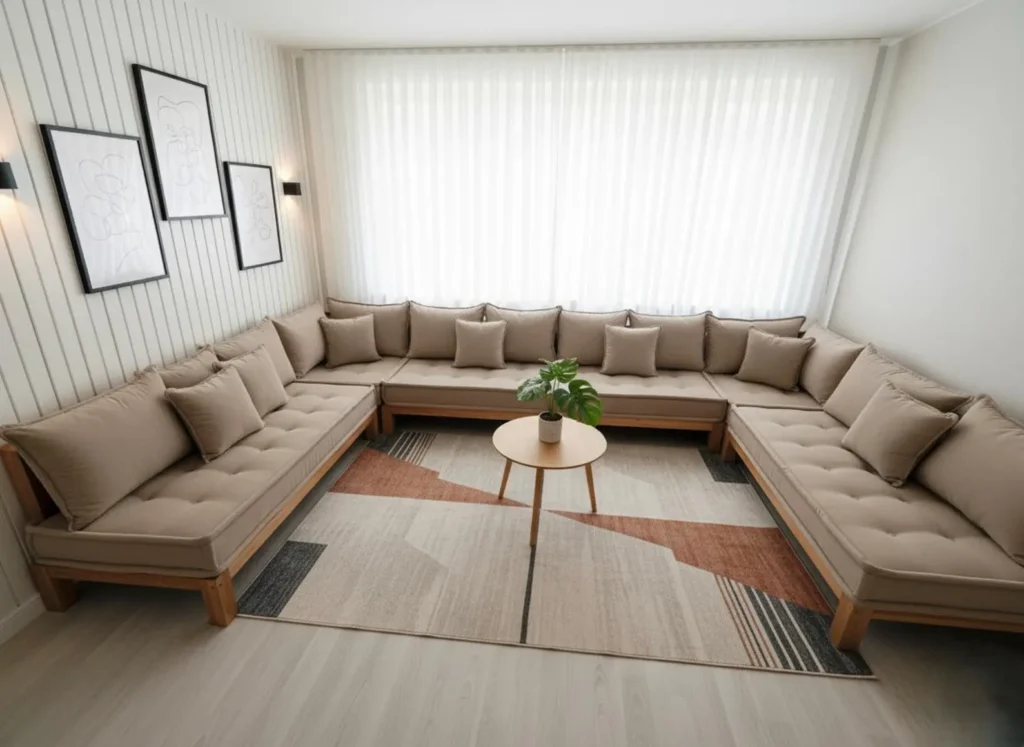
Corner layouts usually need more careful back cushion planning so the join feels comfortable rather than abrupt. Long, low arrangements may benefit from several back cushions rather than one continuous element, especially if the seating is meant to feel more relaxed and adaptable.
It also helps to think about the room around the pallet sofa. Because the base is often visually simple and low, the surrounding elements shape the overall impression. A rug, side table, nearby lighting, or layered textiles can make the seating feel deliberate rather than temporary.
In smaller rooms, pallet seating can be a good way to create a compact lounge feel without a bulky frame. In larger spaces, though, it needs enough visual support so it does not feel undersized. That may mean using a larger rug, more generous back cushions, or additional complementary seating nearby.
This is one of the strengths of pallet furniture when done well. It can be tailored not only to dimensions, but also to the way a room flows.
Common Mistakes People Make With Pallet Sofa Cushions
Most problems with pallet seating come from practical oversights rather than design ambition. The setup looks good at first, but daily use reveals where the planning was too shallow.
The most common mistakes include:
- choosing cushions based only on pallet size
A close fit matters, but comfort depends on thickness, structure, and back support too. - going too thin to keep the look minimal
Thin cushions may look neat but often feel hard quickly. - ignoring backrest comfort
Seat cushions alone rarely create a satisfying everyday seating experience. - using indoor fabrics outside
Even covered outdoor areas place different demands on fabric and filling. - overlooking maintenance
Cushions that are difficult to clean become frustrating in real life. - focusing on price alone
Cheaper filling often loses shape faster, which affects both comfort and appearance.
The bigger point is that pallet seating should not be approached as a shortcut. It works best when treated as a real seating solution with real comfort standards.
How to Choose Pallet Sofa Cushions That Still Feel Right Over Time
The best pallet sofa cushions do more than look good when first installed. They continue to feel supportive, fit the space well, and suit the rhythm of daily use.
That usually means balancing four things: the right dimensions, the right filling, the right fabric, and the right visual tone for the room or outdoor area. If one of those is off, the whole setup can feel less convincing.
A useful way to think about the decision is to picture the cushions after months of use rather than on the day they arrive. Will the seat still feel comfortable? Will the fabric still suit the space? Will the cushions keep their shape? Will they be easy enough to live with?
Pallet sofa cushions are at their best when they turn a basic structure into seating that feels genuinely usable and well resolved. The most successful choices are not necessarily the most decorative or the softest at first touch. They are the ones that support how people actually sit, gather, relax, and move through the space. That is what gives pallet seating lasting value, both visually and practically.
FAQ – 10 SIK SORULAN SORU
- What are pallet sofa cushions used for?
They are designed to add comfort and support to pallet-based seating furniture. - Can pallet sofa cushions be used outdoors?
Yes. Outdoor pallet cushions are made with durable, weather-resistant fabrics. - Are pallet cushions suitable for indoor use?
Absolutely. They work well in living rooms, lounges, and indoor seating areas. - Can I order pallet sofa cushions in custom sizes?
Yes. Custom sizing ensures a perfect fit for different pallet dimensions. - What materials are used in pallet sofa cushions?
They are made with high-density foam, premium fabrics, and reinforced stitching. - Are pallet sofa cushions comfortable for long sitting?
Yes. Proper thickness and supportive filling provide long-lasting comfort. - How do I clean pallet sofa cushions?
Cleaning depends on the fabric type, but most options are designed for easy maintenance. - Are pallet cushions suitable for cafés and commercial spaces?
Yes. Their durability makes them ideal for hospitality and commercial use. - Do pallet sofa cushions keep their shape over time?
High-quality materials help maintain shape even with regular use. - Do you offer worldwide shipping for pallet sofa cushions?
Yes. Custom pallet sofa cushions are available for worldwide delivery.