Blog
Low Profile Floor Sofas – Modular Seating With Comfort Focus

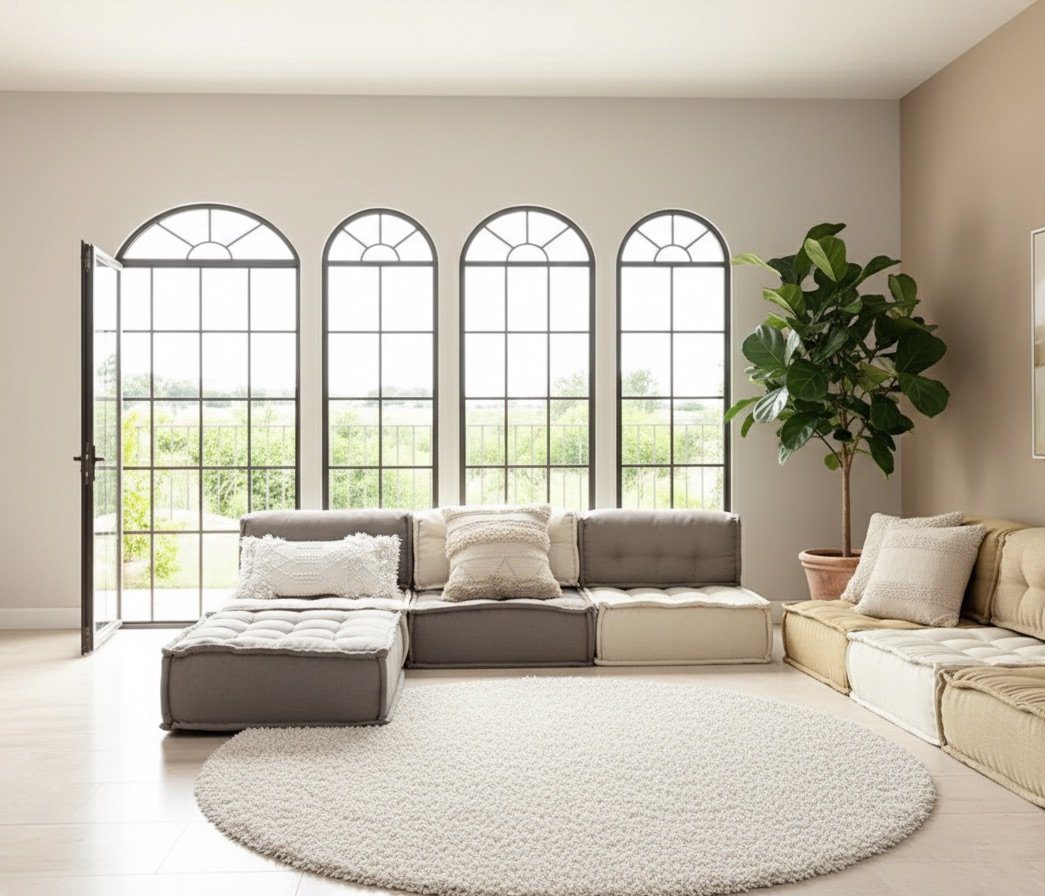
Low seating has a very different effect on a room than standard sofa layouts. It changes sightlines, shifts how space feels, and creates a more grounded atmosphere that many people find calmer and less formal. That is part of the appeal of low seating sets and low profile floor sofas. They do not just look different. They shape the way a room is used, how people gather, and how comfort is experienced over time.
That said, low seating is not a one-size-fits-all choice. The right setup depends on the room, the habits of the household, and how flexible the space needs to be. Some people want a modular arrangement they can rework easily. Others want a low, streamlined seating piece that softens the room without turning it into a casual floor lounge. This guide looks at the practical side of both options, including layout, comfort, room suitability, styling, and the most common mistakes to avoid.
What Low Seating Actually Changes in a Room
The biggest difference with low seating is spatial, not decorative. Bringing seating closer to the floor creates more visual openness above the furniture line, which makes the room feel less crowded and often more architectural. In smaller homes, this can help a living area feel less blocked by bulky furniture. In larger spaces, it can create a more relaxed and intentional rhythm.
Low seating also changes posture and movement. People tend to lounge differently on low-profile pieces than on upright traditional sofas. The experience is often more relaxed, more grounded, and less formal. That can be a strength in spaces designed for conversation, reading, slow evenings, or casual hosting. It may be less appealing in rooms where people strongly prefer upright support or where ease of sitting down and standing up is a major consideration.
This is why low seating works best when it is chosen for the way a room is actually used, not only for the look. A low arrangement can feel thoughtful and inviting in a calm lounge or multifunctional living room. In a home where everyone wants firmer, higher seating for everyday TV watching or frequent rising and sitting, it may not be the best fit unless the design includes strong support and careful proportions.
Low Seating Set vs Low Profile Floor Sofa: What Is the Real Difference?
These two formats are often grouped together, but they do not serve exactly the same purpose.
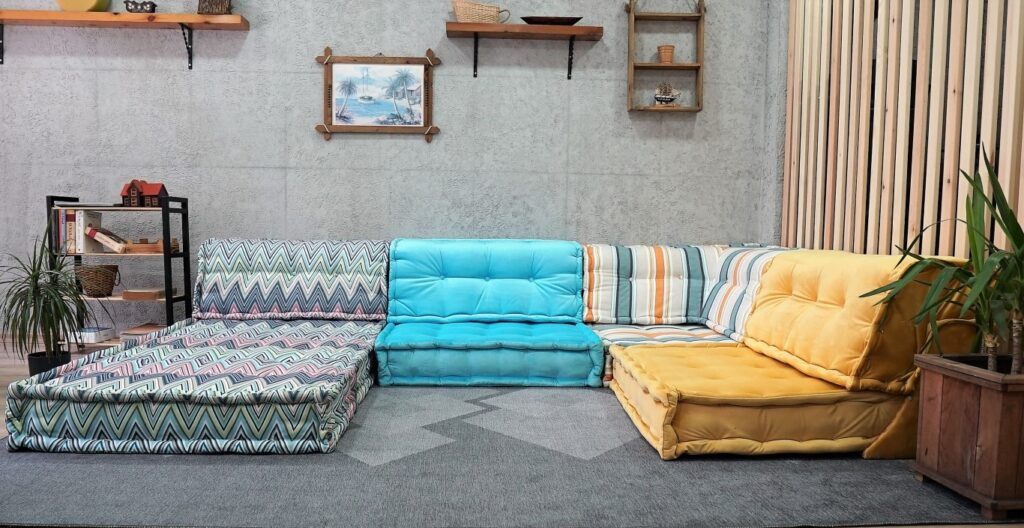
A low seating set usually refers to a modular arrangement made up of separate seating components, backrests, and sometimes corner units. The strength of this format is flexibility. It allows the layout to shift as needed, which can be especially useful in homes where the room serves multiple purposes. A modular setup can move from conversation area to reading corner to guest-friendly lounge layout with less effort than a fixed sofa.
A low profile floor sofa is usually more visually unified. It has the same grounded, close-to-the-floor presence, but it often reads more like a single designed furniture piece than a system of components. It tends to suit people who want the calm look of low seating without needing to reconfigure the setup often.
In practice, the choice comes down to how you live:
- Choose a low seating set if flexibility matters most, especially in multifunctional rooms.
- Choose a low profile floor sofa if you want a consistent low silhouette with a more settled layout.
- Choose modular low seating if you enjoy rearranging spaces or hosting in different ways.
- Choose a more fixed low sofa if your room already has a stable furniture plan.
This distinction matters because many buyers focus on style first, then realize later that they either wanted more adaptability or less maintenance in the arrangement itself.
Comfort Depends on Support, Not Just Softness
One of the biggest misconceptions about low seating is that comfort depends mainly on plush cushions. In reality, comfort comes from the balance between seat depth, cushioning density, back support, and the angle of rest.
A low seat can feel extremely comfortable if it supports the body well. It can also feel tiring if the seat is too deep, too soft, or lacking in back structure. This becomes especially important for people who plan to use the seating every day rather than as an occasional lounge option.
Back support is often the deciding factor. In low modular setups, supportive backrest elements help prevent the arrangement from feeling like decorative floor cushions rather than functional seating. The best designs allow the body to relax without collapsing posture completely. That makes a difference for reading, working casually with a laptop, or spending long evenings in the space.
Comfort should also be judged by who is using it:
For relaxed lounging
Deep, low seating works well when the goal is to stretch out, lean back, and create a softer atmosphere. This suits media rooms, reading corners, and informal living spaces.
For everyday shared living
Daily-use seating usually benefits from a little more structure. Too-soft modules may look inviting at first but become less comfortable over longer periods.
For guest spaces
Guest seating can lean more flexible and style-driven, since it may not need to support the same daily patterns as the main family seating area.
If the room is meant to support laid-back daily living, readers may naturally want to explore low lounge options in a broader product context here: floor sofa collection
Room Size, Layout, and Lifestyle Matter More Than Trends
Low seating can look striking in inspiration photos, but the success of it at home depends on proportion and layout. In some rooms, it enhances spaciousness. In others, it can make the space feel under-furnished or awkward if the scale is off.
In small rooms, low seating often works well because it keeps sightlines open and reduces visual weight. The room tends to feel less crowded, especially if the rest of the interior is simple and uncluttered. This is particularly useful in apartments, studios, and compact lounge areas where standard sofa arms and high backs may feel too heavy.
In larger rooms, low seating needs enough surrounding balance to avoid looking visually lost. A larger rug, layered lighting, textured textiles, or a grounded coffee table can help the arrangement feel intentional. Otherwise, a low-profile sofa in a large open-plan room may read as smaller than it is.
Lifestyle matters just as much as size:
- In a family home, washable fabrics, flexible modules, and forgiving surfaces usually matter more than strict minimalism.
- In a quiet adult living room, a cleaner sculptural low seating arrangement may be easier to maintain and style.
- In a guest room or secondary lounge, modularity can be especially useful because the room may need to shift functions.
- In a meditation or reading space, lower seating often feels more appropriate than a conventional formal sofa.
This is also where multifunctionality becomes important. Homes that need seating for lounging, hosting, and occasional overflow use often benefit more from modular low seating than from traditional fixed-frame furniture.
Styling Low Seating Without Making the Room Feel Empty
Low seating brings simplicity, but simplicity can easily become flatness if the room is not layered well. Because the furniture sits lower, other elements in the room carry more of the visual structure. That is why styling matters more than people expect.
Texture becomes especially important. Upholstery with a tactile surface helps low seating feel warm and intentional rather than sparse. Soft woven fabrics, boucle-like textures, artisanal weaves, and natural-toned textiles often work well because they add depth without relying on visual heaviness.
The surrounding pieces also do more work in a low-seating room. Rugs, floor lamps, side tables, and wall art help establish vertical balance. Without them, the room can feel unfinished, even if the seating itself is beautiful.
A few styling ideas tend to work especially well with low seating:
- Use a rug large enough to anchor the full arrangement.
- Add layered cushions rather than overly formal accent pillows.
- Introduce wood, linen, or textured upholstery to keep the room tactile.
- Avoid oversized bulky tables that overpower the low silhouette.
- Use lighting to create warmth at different heights.
Low seating also pairs naturally with design-conscious, layered interiors that prioritize comfort over formality. If the goal is a softer lounge atmosphere with movable elements and added flexibility, a related supporting option could be relevant here: seat cushion category
Common Mistakes People Make With Low Seating
Low seating often fails for practical reasons rather than aesthetic ones. The most common mistake is choosing it purely for the minimalist look without thinking through daily use.
Another mistake is underestimating how much support matters. A low setup may look inviting in a styled photo, but if the back angle is poor or the cushions compress too easily, the comfort drops quickly. This becomes obvious after longer sitting sessions, not in the first few minutes.
People also run into trouble when they do not account for user needs. A low sofa can be excellent for lounging but less suitable for someone who finds lower seat heights physically difficult. That does not mean low seating should be ruled out, only that ease of use should be considered honestly.
Other common issues include:
- choosing a layout that is too low and too deep for everyday sitting
- leaving too much empty space around the arrangement in large rooms
- pairing low seating with furniture that is visually too tall or heavy
- focusing on modularity without thinking about where each piece will actually go
- picking delicate upholstery for a high-traffic household
These are not small details. They determine whether the seating feels grounded and effortless or simply inconvenient.
How to Decide if Low Seating Is Right for Your Home
The best way to evaluate low seating is to think beyond aesthetics and focus on the mood and habits of the room. Low seating works especially well for people who want a softer, slower, more grounded living environment. It suits homes where comfort is tied to lounging, layering, and flexibility rather than formality.
It may be the right direction if you want:
- a living room that feels calm and visually open
- a modular setup that can adapt over time
- seating that supports reading, relaxing, and informal gathering
- a more design-led alternative to bulky standard sofas
- a layout that feels closer to floor living without sacrificing comfort
It may be less suitable if you need a very upright sitting posture, strongly prefer traditional sofa proportions, or want a highly formal look. In those cases, a lower sofa with more structure may work better than a fully modular floor-level arrangement.
Low seating sets and low profile floor sofas stand out because they change both the room and the experience of using it. The strongest versions are not simply low to the ground. They are well considered in proportion, support, texture, and layout. That is what makes them feel practical as well as visually calm. When chosen with the room and lifestyle in mind, they can offer a distinctive kind of comfort that conventional seating often does not.
FAQ – 10 Frequently Asked Questions
-
What is a low seating set?
A low seating set is a modular floor seating system inspired by Asian seating traditions. -
What does low profile seating mean?
It refers to seating designed with a lower height, positioned close to the floor. -
Are low seating sets modular?
Yes. They consist of individual units that can be arranged in multiple configurations. -
Are low profile floor sofas comfortable?
Yes. They are designed with supportive cushioning and ergonomic backrests. -
Which interiors suit low seating sets best?
They are ideal for modern, minimalist, Japandi, and Asian-inspired interiors. -
Can low profile sofas be rearranged easily?
Yes. Their modular components allow for quick and easy reconfiguration. -
Do low seating sets provide back support?
High-quality designs include supportive backrest elements for comfort. -
Are low profile sofas suitable for small spaces?
Absolutely. Their compact structure makes them ideal for apartments and studios. -
What materials are used in low seating sets?
They are typically made with premium upholstery fabrics and durable internal structures. -
Can low seating sets replace traditional sofas?
Yes. They offer a modern, flexible alternative to standard sofa designs.