Blog
How to Make Low Seating Feel Luxurious Instead of Temporary

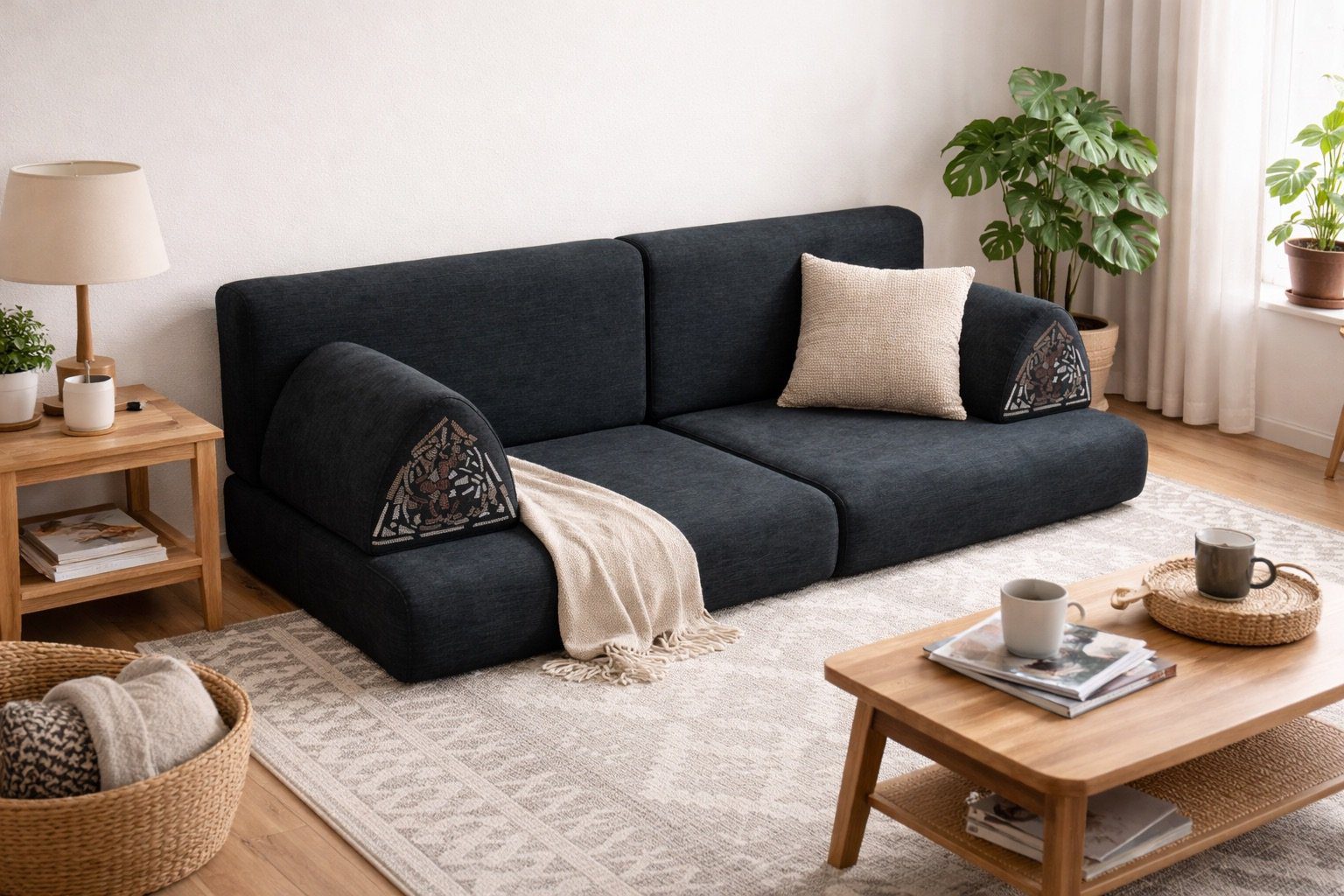
Low seating is often associated with casual or temporary setups—something used in small spaces, informal rooms, or short-term arrangements. But with the right choices, it can feel just as refined and intentional as more traditional furniture.
The difference lies in how the seating is planned, layered, and integrated into the room. A few thoughtful adjustments can shift the perception from “makeshift” to “deliberate and elevated.”
Start With Structure, Not Just Cushions
One of the main reasons low seating can feel temporary is the lack of a clear structure. When pieces look scattered or inconsistent, the space feels unfinished.
Creating a defined layout changes that immediately.
Build a cohesive seating line
Instead of placing individual cushions randomly, aim for a continuous arrangement:
- Align pieces along a wall or in a corner
- Keep heights and depths consistent
- Avoid visible gaps that break the flow
This creates the impression of a unified seating system rather than separate elements.
Anchor the layout visually
A grounded base helps the seating feel intentional. This can be done with:
- A large rug that defines the area
- A low platform or base layer
- Symmetrical or balanced arrangements
Click for our floor sofas: sofasia.com/floor-sofas/
A clear structure signals permanence, even when the seating itself is flexible.
Invest in Material Quality and Texture
Luxury in low seating is less about size and more about how materials feel and look.
Choose fabrics with depth
Flat or overly synthetic fabrics tend to look temporary. Instead, opt for:
- Woven textures
- Slightly matte finishes
- Materials with subtle variation
These details add richness without relying on bold patterns.
Balance softness and support
Overly soft cushions may look inviting at first but can lose shape quickly. On the other hand, very firm pieces can feel rigid.
A balanced fill:
- Holds its form over time
- Provides comfort without collapsing
- Maintains a clean, tailored appearance
This consistency contributes to a more refined look.
Layer Thoughtfully, Not Excessively
Layering is essential in low seating, but too many elements can create visual noise.
Use purposeful layering
Each layer should serve a role:
- Base cushions for structure
- Back cushions for support
- Accent pillows for comfort and variation
Avoid adding pieces that don’t improve either comfort or appearance.
Keep variation controlled
A mix of textures or tones adds interest, but too much contrast can feel chaotic. A cohesive palette helps maintain a calm, elevated look.
Click for our seat cushions: sofasia.com/seat-cushions
Pay Attention to Proportion and Spacing
Even high-quality seating can feel temporary if proportions are off.
Maintain consistent scale
Mixing pieces of very different sizes or heights can disrupt the visual flow. Keeping proportions aligned makes the layout feel more intentional.
Leave breathing space
Luxury often comes from restraint. Allowing space around the seating:
- Prevents the room from feeling crowded
- Highlights the arrangement
- Improves overall comfort
In smaller rooms, this is especially important.
Integrate Low Seating Into the Room, Not Around It
Low seating should feel like part of the room’s design—not something placed as an afterthought.
Align with architectural elements
Position seating in relation to:
- Walls and corners
- Windows or focal points
- Natural movement paths
This creates a sense of harmony between the seating and the space.
Coordinate with surrounding elements
Low seating works best when nearby elements support its scale:
- Low tables instead of tall ones
- Soft lighting rather than overhead dominance
- Minimal vertical interruptions
The room should feel cohesive from floor level upward.
Add Subtle Structure With Accessories
Accessories can reinforce the feeling of permanence without overwhelming the layout.
Use low-profile functional pieces
- A simple table or tray
- A structured rug
- Soft lighting placed at a lower level
These elements help define the space without disrupting the low seating concept.
Avoid over-decorating
Too many decorative items can make the space feel staged rather than lived-in. A few well-chosen pieces are more effective than many small accents.
Consider Long-Term Practicality
A luxurious look should hold up over time. If the seating requires constant adjustment or loses shape quickly, it will start to feel temporary again.
Choose durable construction
- Cushions that maintain their form
- Covers that are easy to clean
- Materials that age well rather than wear out quickly
Plan for everyday use
Low seating often invites relaxed use—lounging, shifting positions, or gathering informally. The layout should accommodate this without losing its structure.
Common Mistakes That Make Low Seating Feel Temporary
Some design choices unintentionally reinforce a temporary look.
- Using mismatched cushions without a clear arrangement
- Choosing materials that flatten or wrinkle easily
- Overcrowding the space with too many elements
- Ignoring back support and comfort needs
- Treating the layout as purely decorative rather than functional
Avoiding these pitfalls goes a long way toward creating a more refined result.
Creating a Space That Feels Intentional
Low seating becomes luxurious when it feels considered—when every element supports both comfort and design.
This doesn’t require excessive decoration or expensive materials. It comes from:
- Consistent structure
- Thoughtful layering
- Balanced proportions
- Materials that age well
When these elements come together, the seating no longer feels temporary. It becomes part of a space that is calm, grounded, and designed to be used.