Blog
Floor Seating vs Traditional Sofas – Which Works Better for Casual Living Spaces?

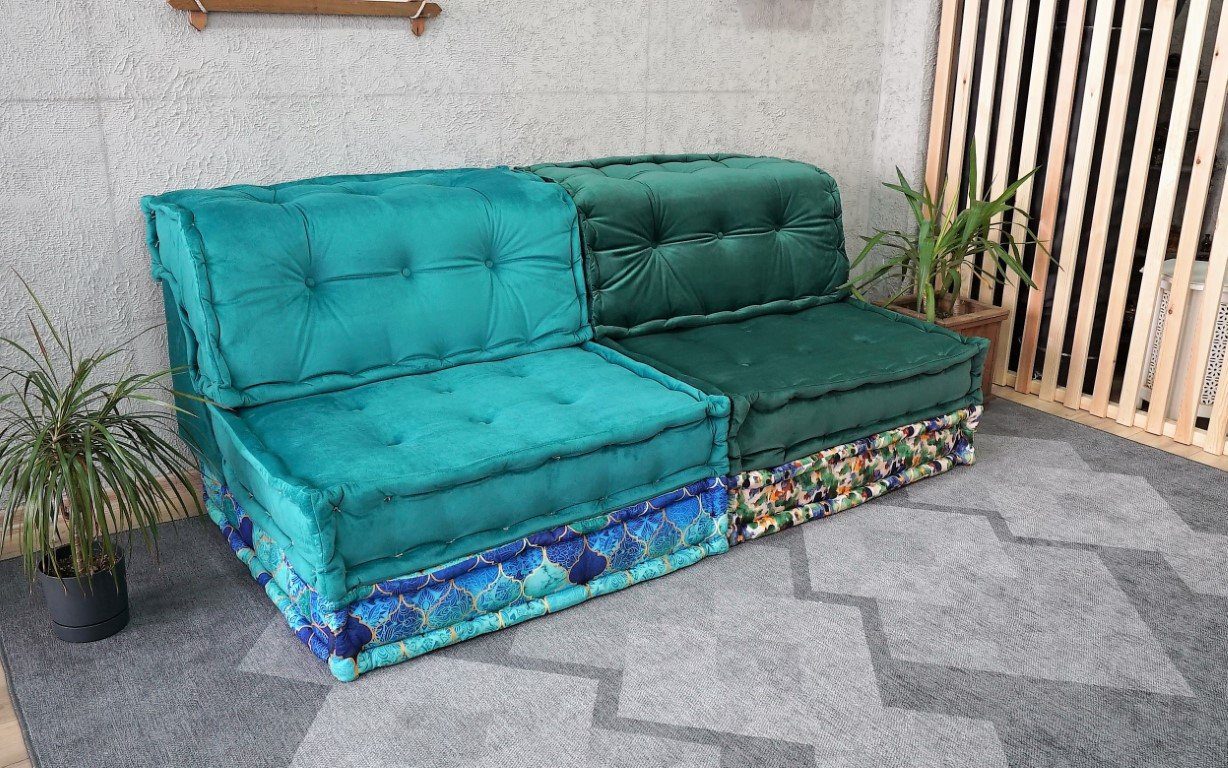
Choosing seating for a casual living space often comes down to how you actually live day to day. Some rooms are used for lounging, informal gatherings, reading, or even working from the floor. Others need more structure and support for longer sitting periods.
The decision between floor seating and traditional sofas isn’t just about style—it affects how the room functions, how flexible it feels, and how comfortable it is over time. Understanding the differences helps you avoid choosing something that looks right but doesn’t suit your habits.
How Casual Living Spaces Change the Rules
Casual living spaces are less about formality and more about ease. People sit in different ways, move around more, and use the room for multiple purposes.
In this context, seating needs to support:
- Relaxed postures (lounging, leaning, stretching out)
- Flexible layouts that can adapt to different uses
- A balance between comfort and openness
Traditional sofas tend to define a fixed seating position, while floor-based setups encourage more fluid use. Neither is inherently better—it depends on how you expect the space to function.
Floor Seating: Flexibility and Informal Comfort
Floor seating creates a more grounded, relaxed environment. It shifts the focus from structured sitting to adaptable comfort.
Why it works well
One of the biggest advantages is flexibility. You can rearrange modules, stack cushions, or clear the space entirely when needed. This makes it especially useful in smaller rooms or multi-purpose areas.
Another benefit is the visual openness it creates. Lower seating lines allow more of the room to remain visible, which can make even compact spaces feel less crowded.
Where it fits best
Floor seating tends to work well in:
- Lounge-style living rooms
- Reading corners or creative spaces
- Homes where seating needs to be easily reconfigured
- Spaces influenced by low-profile or cultural seating traditions
It also suits environments where people naturally sit in different positions rather than upright for long periods.
Our floor sofas: sofasia.com/floor-sofas
Limitations to consider
While flexible, floor seating requires more thought around comfort and support. Without proper layering or back support, it may not suit extended sitting for everyone.
It can also feel less accessible for:
- Older adults
- Anyone with mobility concerns
- Situations where frequent standing and sitting are required
Traditional Sofas: Structure and Everyday Ease
Traditional sofas offer consistency. They define a clear seating area and provide built-in support that works well for daily routines.
Why they remain popular
A well-designed sofa supports posture without requiring additional setup. It’s easy to sit down, get up, and stay comfortable for longer periods.
For households that use the living room as a primary sitting area—watching TV, hosting guests, or working—this structure can be more practical.
Where they work best
Traditional sofas are often a better fit in:
- Family living rooms used throughout the day
- Spaces where guests expect familiar seating
- Larger rooms that benefit from a defined layout
They also suit interiors that lean toward more structured or formal aesthetics.
Limitations in casual layouts
In more relaxed spaces, sofas can feel rigid. Once placed, they tend to anchor the layout, leaving less room for flexibility.
They also take up more visual and physical space, which can make smaller rooms feel tighter if not carefully chosen.
Comparing Comfort: It’s Not Just About Softness
Comfort is often misunderstood as simply how soft a seat feels. In reality, it depends on posture, support, and how long you use the space.
Floor seating comfort
Comfort here comes from customization. You can adjust layers, angles, and configurations depending on your needs.
However, it requires:
- Thoughtful cushion density
- Adequate back or wall support
- Occasional adjustment to maintain comfort
It’s more interactive—you shape the seating rather than relying on a fixed structure.
Sofa comfort
Sofas provide immediate, consistent comfort. You don’t need to adjust anything to sit comfortably.
That said, comfort is fixed. If the depth or firmness isn’t right, there’s less flexibility to change it.
The real difference
- Floor seating offers adaptable comfort
- Sofas offer predictable comfort
The better choice depends on whether you value flexibility or consistency more in your daily use.
Space Efficiency and Layout Impact
In smaller or multi-use rooms, how seating affects layout is often more important than the seating itself.
Floor seating and spatial freedom
Because it sits low and can be rearranged, floor seating allows:
- More open floor area
- Easier movement
- Layout changes without heavy lifting
It works particularly well in rooms that need to shift between functions.
Sofas and defined structure
Sofas create a clear focal point. This can help organize a room but also limits how much the layout can change.
In larger spaces, this structure is helpful. In smaller ones, it can feel restrictive if not carefully balanced.
Style and Atmosphere: What Each Option Brings
The choice also shapes how the room feels, not just how it functions.
Floor seating creates a relaxed, layered look
Low seating naturally encourages a softer, more grounded atmosphere. It pairs well with:
- Textiles and layered fabrics
- Neutral or earthy tones
- Informal, lounge-like styling
It often feels more personal and less formal.
Sofas create a more structured visual
Sofas introduce height and definition. They tend to:
- Anchor the room visually
- Create clearer zones
- Support more polished or classic interiors
Neither is inherently better—it depends on the mood you want to create.
Maintenance and Long-Term Practicality
How seating holds up over time is often overlooked.
Floor seating considerations
- Cushions may need regular fluffing or repositioning
- Covers should be easy to clean, especially in high-use areas
- Modular pieces can be replaced individually, which helps with longevity
Click for seat cushions: sofasia.com/seat-cushions
Sofa considerations
- Upholstery cleaning can be more involved
- Structural wear (frames, springs) is harder to address
- Larger pieces are more difficult to move or replace
In households with frequent layout changes or evolving needs, modular setups often adapt more easily over time.
Which Option Fits Your Lifestyle Better?
Instead of asking which is better overall, it helps to match each option to how you live.
Floor seating may suit you if:
- You prefer a relaxed, flexible environment
- Your space serves multiple purposes
- You enjoy rearranging or adapting layouts
- You prioritize openness over structure
Traditional sofas may suit you if:
- You want consistent, ready-to-use comfort
- Your living room is used for long sitting periods
- You prefer a defined, stable layout
- Accessibility and ease of use are priorities
Some homes even combine both—using a sofa as a base and adding low seating elements for flexibility.
Finding the Balance Between Comfort and Flexibility
Casual living spaces don’t follow strict rules, and that’s part of their appeal. The right seating choice depends less on trends and more on how naturally the space supports your habits.
Floor seating brings adaptability and a sense of openness. Traditional sofas provide structure and ease. The best option is the one that aligns with how you sit, move, and use your space throughout the day.
In many cases, the most comfortable homes aren’t built around a single solution, but around a thoughtful mix of both.