Blog
How to Measure a Bench, Nook, or Pallet for Custom Seat Cushions

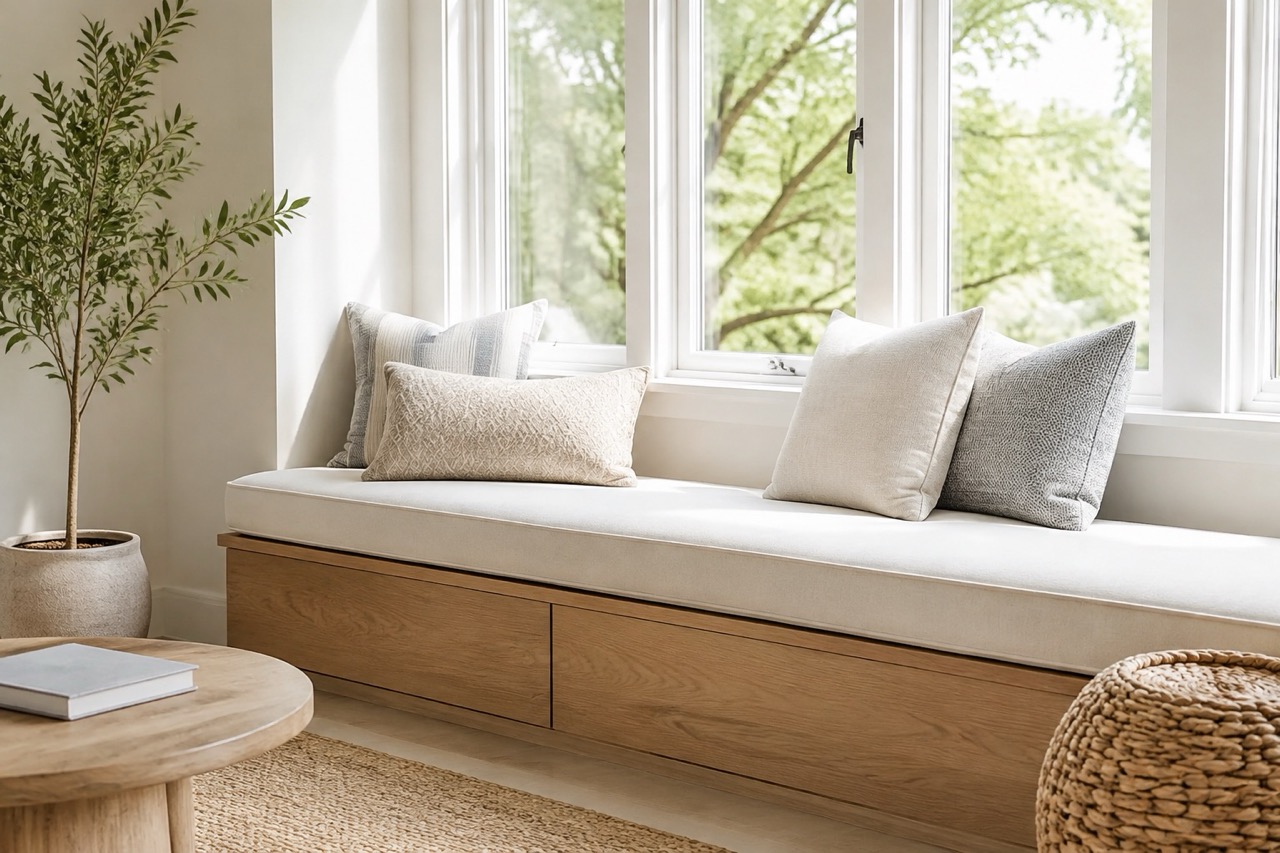
Adding cushions to a built-in bench, window nook, pallet seating area, or custom wooden platform can completely change how the space feels. However, the comfort and appearance of the final result depend heavily on getting the measurements right.
A cushion that is slightly too large may look bulky, while one that is too small can leave uncomfortable gaps and make the seating area feel unfinished. Measuring correctly before ordering or creating cushions helps ensure a better fit, improved support, and a cleaner overall look.
This guide explains how to measure different seating surfaces, what details matter beyond basic dimensions, and which common mistakes to avoid when preparing a custom cushion setup.
Start by Understanding the Shape and Purpose of Your Seating Area
Before taking measurements, look at how the seating area will actually be used. A cushion for a decorative corner has different requirements from one placed on a bench used every day by family members.
The first questions to consider are:
- Is the seating area used daily or occasionally?
- Will people sit upright for meals, relax for long periods, or simply use it as an accent piece?
- Is the space against a wall, inside a corner, or completely open?
- Will the cushion need to be moved frequently?
A dining nook bench, for example, usually benefits from a more structured cushion that maintains shape over time. A relaxed lounge area may work better with deeper, softer seating that encourages a more casual posture.
Understanding the purpose of the space helps determine not only the size but also the appropriate cushion depth, firmness, and overall style.
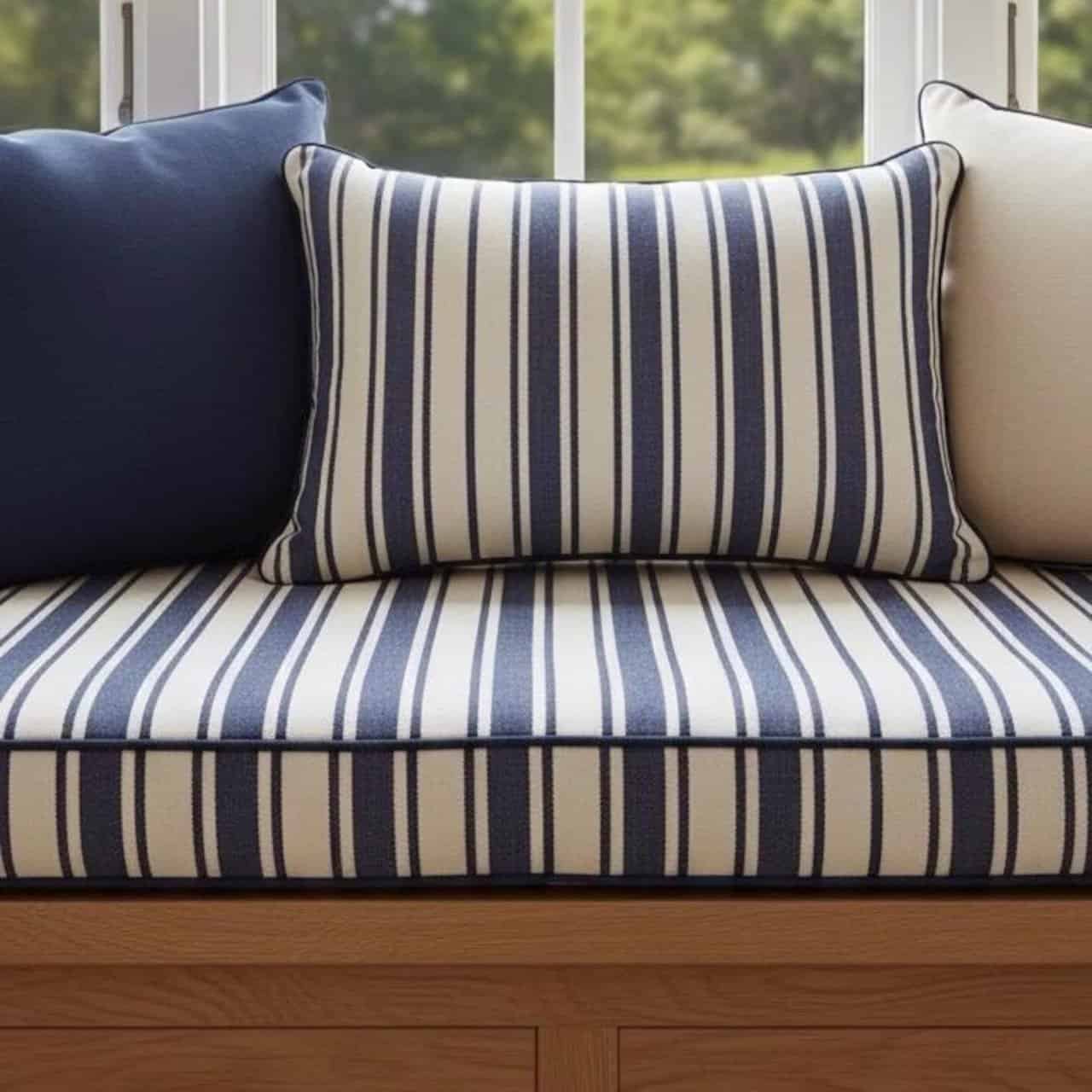
Measure the Width and Length of the Seating Surface
The most important measurements are the length and depth of the surface where the cushion will sit.
Measuring the Length
Measure from one side of the seating area to the other.
For straight benches:
- Place the measuring tape along the back edge of the seating surface.
- Measure the full usable width.
- Repeat the measurement at the front edge to check if the space is perfectly straight.
Some wooden benches or built-in areas may not have perfectly identical front and back dimensions. A small difference can affect how neatly the cushion fits.
For corner benches or L-shaped seating, measure each section separately rather than treating the entire area as one piece.
Example:
- Long side of the bench: 180 cm
- Short side of the bench: 120 cm
These two measurements may require either separate cushions or a carefully designed corner arrangement.
Measuring the Depth
Depth is measured from the front edge of the seating surface toward the back.
Place the measuring tape flat on the seat and measure:
- Front edge → back wall
- Front edge → rear support area
Avoid measuring only the visible wooden area if there is a lip, trim, or raised edge that could affect the cushion placement.
A cushion that is too deep may push the user forward and create an uncomfortable sitting angle. A cushion that is too shallow may not provide enough support.
Consider Cushion Thickness Before Finalizing Measurements
Many people focus only on length and width but overlook cushion height. Thickness affects both comfort and the final appearance of the furniture.
A thicker cushion:
- Creates a softer, more relaxed look
- Raises the sitting height
- Provides more insulation from hard surfaces
- Works well for lounge-style seating
A thinner cushion:
- Maintains a cleaner, more structured appearance
- Works well on dining benches
- Keeps the original furniture proportions closer
Before deciding on thickness, consider the existing height of the bench or platform.
For example:
A low pallet platform with a thick cushion can create a comfortable floor-level seating arrangement. However, placing the same thickness on a tall bench may make the seating position uncomfortable.
The final height should allow people to sit naturally, with feet comfortably reaching the floor when possible.
Measuring Corner Benches and Window Nooks Correctly
Window seats and corner benches often require more attention because they are rarely simple rectangles.
A common mistake is measuring only the front visible edge. The back corners may have different angles, wall irregularities, or built-in structures that affect the fit.
For corner seating:
- Measure each wall section separately.
- Check whether the corner is a true 90-degree angle.
- Measure the rear depth as well as the front depth.
- Note any obstacles such as window frames, wall panels, or decorative trims.
If the seating area has an unusual shape, creating a simple sketch with measurements written directly on it can prevent confusion.
Even a basic drawing showing:
- overall width
- seating depth
- corner angles
- cushion thickness
can make the planning process much easier.
Measuring Pallet Seating for Cushions
Pallet furniture is popular because it offers a flexible way to create relaxed seating areas. However, pallet sizes are not always identical, especially when using reclaimed or handmade structures.
Before measuring, check:
- Are all pallets the same size?
- Are they placed tightly together?
- Are there gaps between pallets?
- Will cushions cover one pallet or several connected pallets?
For a single pallet:
Measure the top surface area where the cushion will rest.
For multiple pallets:
Measure the entire combined seating area after the pallets are connected.
Do not assume standard pallet dimensions will always match your setup. Small differences between pallets can create uneven edges and affect the final cushion arrangement.
If your pallet seating is intended for outdoor use or a casual indoor lounge, also consider whether the cushions need to be removed easily for cleaning or storage.
Common Measuring Mistakes to Avoid
Small measurement errors can significantly affect the final result. These are some of the most common issues people encounter.
Measuring Only Once
Walls, wood structures, and handmade furniture can have slight variations.
Taking measurements twice helps catch mistakes before they become costly.
Forgetting to Account for Existing Borders or Frames
A bench may appear wider than the actual usable seating area because of:
- wooden side panels
- armrests
- decorative edges
- wall trims
Always measure the surface where the cushion will actually sit.
Choosing Dimensions Based Only on Appearance
A cushion that fills the entire space visually may not always be the most comfortable option.
For example, leaving a small amount of clearance around a cushion can sometimes make it easier to remove, clean, and maintain.
Ignoring How the Cushion Will Be Used
A reading corner, family lounge, guest area, and dining bench all have different comfort requirements.
A cushion designed only by appearance may not provide the support needed for regular use.
Think About Materials, Covers, and Maintenance Before Ordering
Measurements determine the fit, but practical details determine how enjoyable the seating will be over time.
Consider where the cushion will be placed:
Living room or lounge areas
Comfort and softness are usually priorities. Deeper cushions and relaxed textures often work well in these spaces.
Dining areas
A firmer cushion can provide better posture support during longer meals.
Guest rooms or occasional seating
A balance between comfort and easy maintenance is often more useful than maximum softness.
Fabric choice also matters. High-use seating benefits from durable, easy-to-clean covers, especially in homes with children or pets.
For spaces inspired by relaxed, layered interiors, combinations of cushions, floor seating, and natural materials can create a warmer atmosphere.
Click for floor sofas models: https://sofasia.com/floor-sofas/
Creating a Balanced Look Between Comfort and Design
A well-measured cushion should not only fit physically; it should also fit visually within the room.
Think about:
- the size of surrounding furniture
- the amount of open space around the seating
- colors and textures already present
- whether the area should feel structured or casual
For example, a minimalist room may benefit from clean-lined cushions with controlled proportions. A more traditional or lounge-inspired space may look better with softer shapes, layered textiles, and a more relaxed arrangement.
Seating areas that combine wooden elements with comfortable cushions often work especially well because they balance natural structure with softness.
Click for our wooden sofas: sofasia.com/wooden-sofas/
A Simple Measurement Checklist Before Finalizing Your Cushion Size
Before moving forward, check that you have recorded:
- Seating length
- Seating depth
- Corner measurements if applicable
- Cushion thickness
- Desired final sitting height
- Shape details and angles
- Any obstacles around the seating area
- Intended use of the space
- Cleaning and maintenance needs
Taking a few extra minutes during the measurement stage can save significant adjustments later.
Click for our seat cushions: sofasia.com/seat-cushions/