Blog
Pouf Chairs vs Accent Chairs: Which One Makes More Sense in Small Spaces?

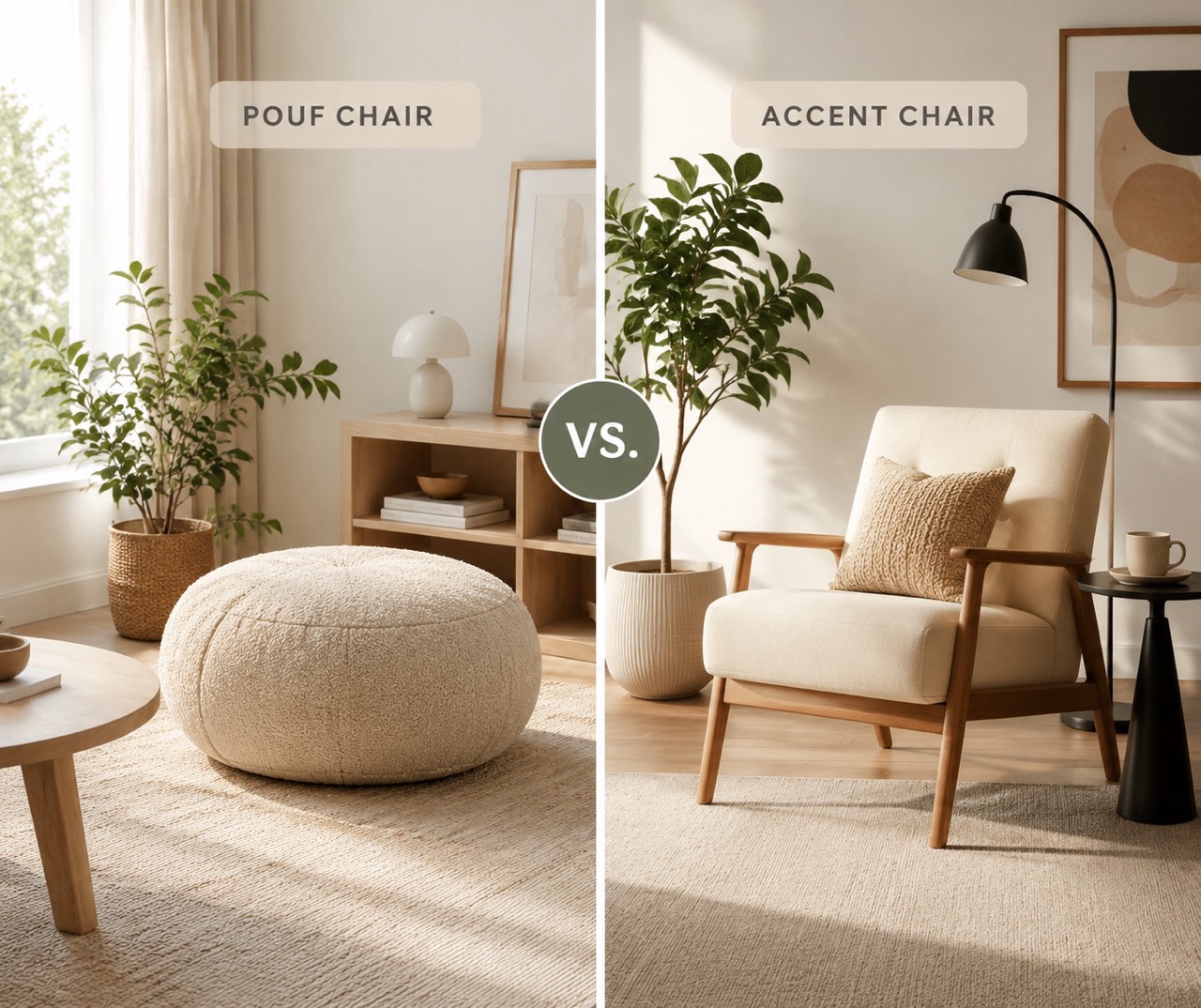
Choosing extra seating for a small living room requires more thought than simply finding a chair that fits into an empty corner. In compact spaces, every piece of furniture affects movement, visual balance, and how easily the room can adapt to different activities.
Pouf chairs and accent chairs can both add personality and additional seating, but they serve very different purposes. One focuses on flexibility, casual comfort, and space efficiency, while the other usually provides more structure, support, and a defined seating position.
The better choice depends on how the room is used, how often extra seating is needed, and whether the priority is everyday comfort, occasional guests, visual impact, or keeping the space open.
Understanding the differences between these two options makes it easier to create a living area that feels comfortable without becoming crowded.
Start by Understanding How You Actually Use the Space
The first question is not “Which chair looks better?” but “What role does this piece need to play?”
Small rooms often have multiple functions. A living room may also serve as:
- a reading corner
- a home office area
- a place for children to play
- a guest seating area
- a relaxing space for evening conversations
A fixed chair occupies a defined footprint. Once placed, it usually stays in that position because moving it frequently can be inconvenient.
A pouf-style seat behaves differently. It can move around the room, be used as additional seating when guests arrive, act as a footrest, or even function as a small surface when needed.
This difference becomes especially important in apartments, studio spaces, and smaller homes where flexibility matters more than having a formal seating arrangement.
Before choosing, consider:
- Is the seating needed every day or occasionally?
- Do you frequently rearrange furniture?
- Does the room need open floor space?
- Are guests usually seated formally or casually?
- Do you prefer a structured look or a relaxed atmosphere?
The answers often reveal which option fits the lifestyle better.
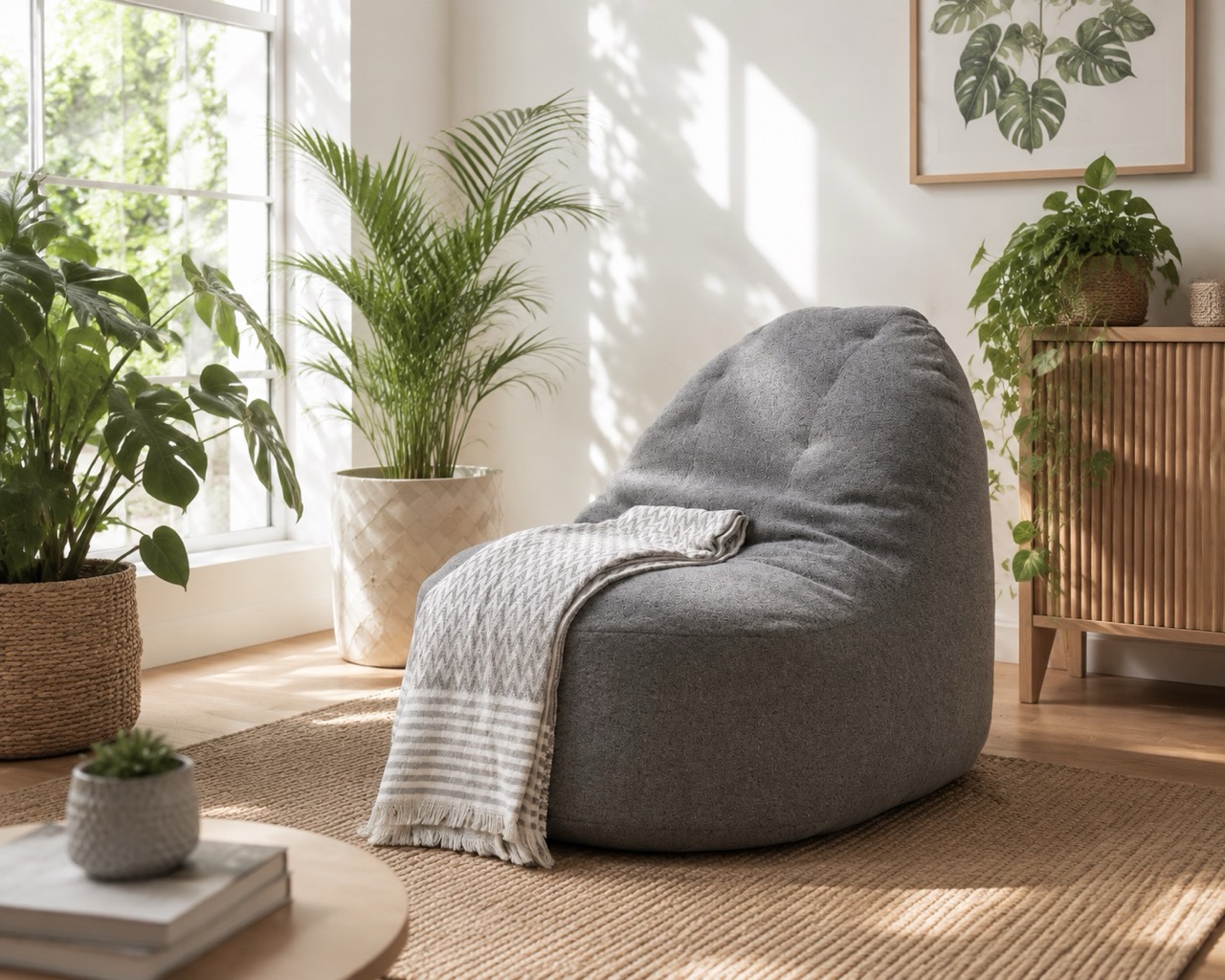
When Pouf Chairs Make More Sense in Small Rooms
Pouf seating is naturally suited to flexible interiors because it does not demand the same amount of permanent space as traditional chairs.
A compact room benefits from furniture that can perform multiple roles.
A pouf can work as:
- extra seating during gatherings
- a footrest beside a sofa
- a casual reading seat
- a soft surface for children
- a movable decorative element
This multifunctionality can be valuable when every square metre matters.
A traditional chair creates one seating position. A pouf creates possibilities.
For example, a small living room with a low sofa may feel more balanced with a soft additional seat rather than another upright chair competing for visual space.
Click here for our pouf chairs: sofasia.com/pouf-chairs
Poufs also tend to create a more relaxed atmosphere. Their lower profile allows more of the room to remain visually open, which can make a small area feel larger.
This is particularly effective in interiors built around:
- floor-level seating
- warm textiles
- natural materials
- informal family spaces
- lounge-style layouts
However, not every pouf works equally well. Extremely soft designs may be comfortable for short periods but less practical for long sitting sessions. The filling, height, and firmness should match how you plan to use it.
When Accent Chairs Are the Better Choice
Accent chairs provide something poufs usually cannot: structured support.
They are designed around a more traditional sitting posture, often with:
- a defined backrest
- arm support
- deeper cushioning
- a more upright seating position
For people who regularly read, work with a laptop, or spend long periods sitting in one place, an accent chair may provide better ergonomic support.
An accent chair can also become a visual anchor in a small room. A carefully chosen chair can add colour, texture, or shape without requiring additional decorative elements.
For example:
- a textured fabric chair can soften a minimalist room
- a wooden-frame chair can introduce natural warmth
- a patterned chair can add personality to a neutral interior
The challenge is proportion.
A large armchair in a small room can quickly dominate the layout. Even if the chair physically fits, it may make the room feel blocked.
The key measurements to consider are:
- chair width
- arm thickness
- seat depth
- clearance around walking paths
- distance from other furniture
A smaller-scale accent chair often works better than a large statement piece in compact spaces.
Comfort Comparison: Casual Relaxation vs Supported Sitting
The comfort difference between poufs and accent chairs usually comes down to the type of comfort you want.
Poufs provide relaxed comfort.
They encourage:
- changing positions
- sitting casually
- stretching legs
- informal conversations
They are especially enjoyable in homes where people prefer relaxed lounging rather than formal sitting.
Accent chairs provide positional comfort.
They are better suited for:
- reading sessions
- longer conversations
- focused activities
- maintaining a traditional sitting posture
Neither option is universally more comfortable because they support different behaviours.
A person who enjoys sitting on the floor, moving around, or creating flexible seating arrangements may prefer a pouf.
Someone who wants a dedicated personal chair with back support may appreciate an accent chair more.
The best choice depends on the habits of the people using the room.
Small Room Layout: Which Option Creates Better Flow?
In limited spaces, visual flow can matter as much as physical measurements.
Furniture that interrupts walking paths makes a room feel smaller, even if the total furniture size is reasonable.
Poufs often have an advantage because they can be moved easily. They can sit near a sofa when needed and be pushed aside when more open space is required.
Accent chairs require more planning.
A chair placed near a window may create a comfortable reading area, but it can also become an obstacle if the room has limited circulation space.
Think about movement patterns:
- Where do people enter the room?
- Which areas need to stay open?
- Is there enough space to walk around seating?
- Does the furniture arrangement support conversation?
In very compact rooms, flexible pieces usually provide more long-term practicality.
In slightly larger rooms, an accent chair can create a defined zone without causing congestion.
Matching the Choice With Interior Style
The decision is not only functional. The visual language of the room also matters.
Relaxed and Layered Interiors
Homes that use:
- cushions
- woven textures
- rugs
- natural fabrics
- low seating arrangements
often work well with poufs.
They contribute to a softer, more informal atmosphere.
This approach is common in lounge-inspired rooms and interiors influenced by traditional low-seating cultures.
Click here for our oriental majlis: sofasia.com/oriental-sofas
Structured and Contemporary Interiors
Rooms with:
- clean lines
- minimal decoration
- defined furniture placement
- modern architectural details
may benefit from an accent chair because it adds structure.
A single carefully selected chair can introduce contrast without requiring many decorative objects.
Mixed Approaches
Many successful small rooms combine both.
A structured sofa with one accent chair and one movable pouf can create different seating options without overcrowding the room.
The chair provides dedicated comfort. The pouf provides flexibility.
This layered approach often works better than filling the room with multiple large seating pieces.
Common Mistakes When Choosing Extra Seating
Small-space furniture decisions often fail because the focus stays on appearance rather than daily use.
Choosing Based Only on Size
A piece may physically fit but still feel wrong.
A deep chair can take up significant visual space even if its width is acceptable.
Consider the entire footprint, not just the dimensions listed on a product page.
Ignoring Seat Height Differences
A very low pouf beside a high sofa may feel disconnected unless the room intentionally uses mixed seating heights.
Consider how people will interact with the pieces together.
Adding Too Much Furniture
Small rooms benefit from fewer, more useful pieces.
Adding a chair simply because there is an empty corner can reduce comfort by limiting movement.
Sometimes a flexible seat creates more value than another permanent piece.
Prioritising Appearance Over Maintenance
Fabric choice matters, especially in homes with children, pets, or frequent use.
Consider:
- cleaning requirements
- durability
- removable covers
- resistance to everyday wear
Furniture should support the lifestyle of the home, not create additional maintenance problems.
Family Homes, Guest Rooms, and Personal Spaces
The right choice also depends on who uses the room.
For Family Living Rooms
A pouf often provides practical advantages because it adapts quickly.
Children can use it differently throughout the day, and adults can move it during gatherings.
For Guest-Focused Rooms
An accent chair may create a more intentional and welcoming seating area.
It gives guests a clear place to sit and adds a more traditional furniture arrangement.
For Reading Corners
An accent chair usually performs better because back support becomes important over longer periods.
A pouf may work for occasional relaxed reading but may not replace a dedicated chair.
For Flexible Apartments
Poufs often provide greater value because they can change function as needs change.
How to Decide Between a Pouf and an Accent Chair
A simple way to choose is to identify your main priority.
Choose a pouf if you need:
- flexible seating
- easy rearrangement
- a softer visual appearance
- multifunctional furniture
- better use of limited space
Choose an accent chair if you need:
- back support
- a dedicated sitting position
- a reading or relaxation corner
- stronger furniture structure
- a defined design element
For many small homes, the most practical solution is not choosing one over the other permanently. It is understanding which role is missing from the room.
A small living area already filled with structured furniture may benefit from the softness and flexibility of a pouf. A room that lacks personal seating may be improved more by a comfortable accent chair.
The right choice is the one that supports how the room is actually lived in.
In compact interiors, furniture should not only occupy space. It should earn its place by making the room easier, more comfortable, and more adaptable.