Blog
What to Know Before Designing a Cozy Conversation Area With Floor Seating

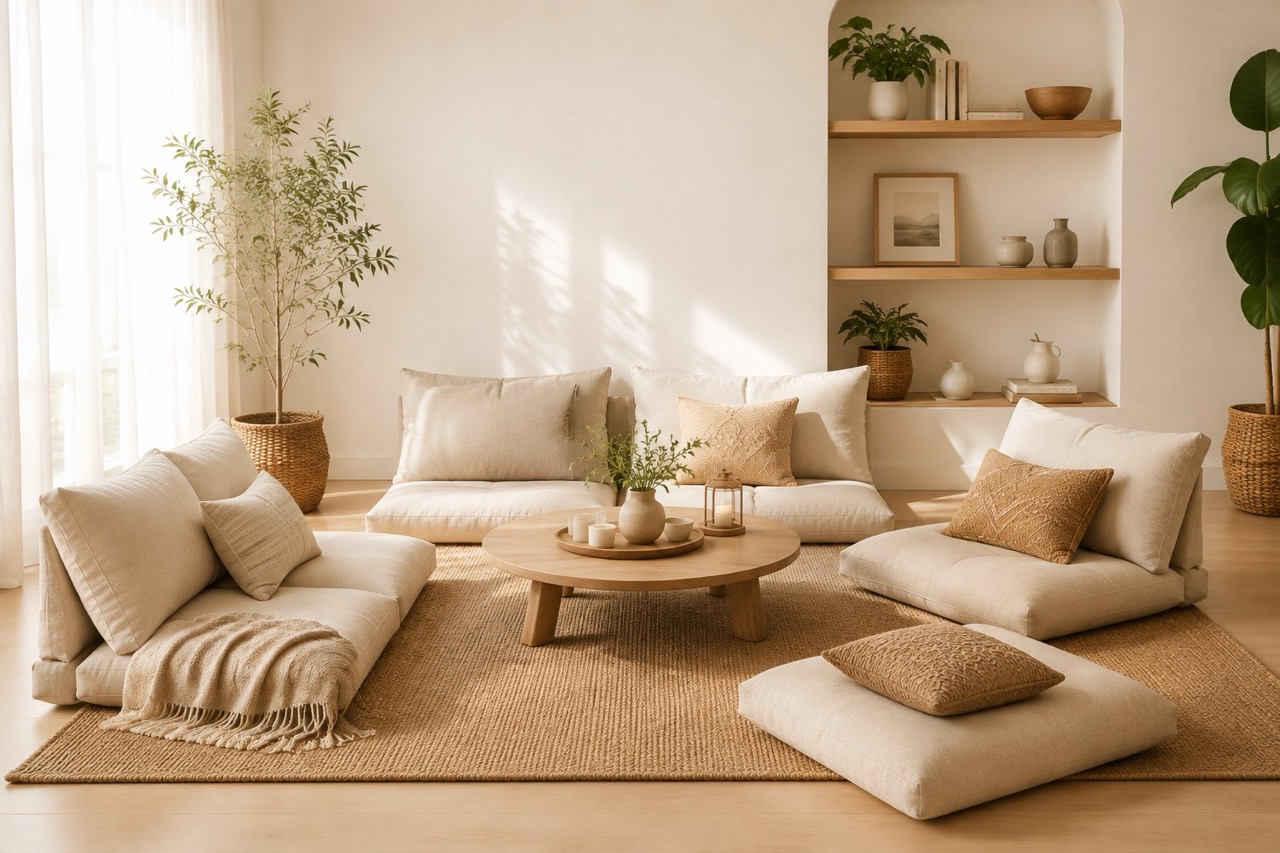
Creating a conversation area is not only about placing seats around a table. The way people interact in a room depends heavily on how the seating is arranged, how comfortable the materials feel, and whether the space encourages relaxed communication.
Floor seating creates a different atmosphere from traditional sofa arrangements. Lower seating levels, softer textures, and flexible layouts can make a room feel more informal and inviting. However, achieving a comfortable result requires more planning than simply adding cushions to the floor.
A successful floor seating area considers proportions, movement, support, materials, lighting, and the daily habits of the people using the room.
The goal is to create a space where people naturally want to sit, talk, relax, and spend time together.
Start With How the Space Will Actually Be Used
Before choosing cushions, seating pieces, or decorative elements, think about the main purpose of the area.
A conversation space designed for occasional guests will have different requirements from one used every evening by a family.
Consider questions such as:
- How many people usually use the area?
- Is the space mainly for conversation, relaxation, reading, or entertainment?
- Will children use the area frequently?
- Does the seating need to be moved or rearranged?
- Will people sit for short periods or several hours?
For example, a small apartment may benefit from a flexible arrangement where seating can change depending on the activity. A larger family room may need a more permanent layout with defined zones.
Floor seating works particularly well in spaces where flexibility matters because individual pieces can often be repositioned more easily than large traditional furniture.
Click here for our floor sofas: sofasia.com/floor-sofas
The most comfortable rooms are usually designed around real habits rather than a fixed visual idea.
Plan the Layout Before Adding Furniture
The biggest mistake in designing a floor seating area is focusing only on the seating itself.
The arrangement around the seating determines whether the room feels open and comfortable.
A good conversation layout allows everyone to see each other without forcing people into awkward positions.
Some practical layout considerations include:
Keep Enough Movement Space
Low seating can make a room feel open, but overcrowding can quickly remove that advantage.
Leave enough space for:
- walking between seating areas
- placing drinks or books
- moving cushions when needed
- cleaning around the area
A conversation area should feel connected, not restricted.
Create a Natural Centre Point
Most conversation areas benefit from a central element.
This could be:
- a low coffee table
- a textured rug
- a small decorative arrangement
- a central tray
The centre point helps visually organise the room and gives people a shared focus.
Avoid Pushing Everything Against Walls
Many homes automatically place all seating along the walls.
While this can save space, it does not always create the most inviting social arrangement.
Bringing seating slightly inward can make conversations feel more natural, especially when people face each other instead of sitting in a line.
Choose the Right Seating Height and Support Level
Floor seating changes the relationship between the body and the room.
Traditional sofas usually place people at a higher sitting position. Floor-based arrangements create a closer connection with the surrounding space.
However, comfort depends on more than being low.
The height, firmness, and support level should match how the seating will be used.
Very soft cushions may feel comfortable initially but can become difficult for longer sitting periods if they provide little support.
A balanced floor seating arrangement usually includes:
- supportive base cushions
- comfortable back support
- enough firmness to maintain posture
- soft layers for relaxation
This balance is especially important for spaces used daily.
A reading corner may require different support from a casual gathering area where people change positions frequently.
Combine Soft Textures to Create Warmth
Floor seating naturally creates a relaxed feeling, but materials determine whether the space feels comfortable or unfinished.
A combination of textures creates visual and physical warmth.
Useful elements include:
- woven rugs
- textured cushions
- natural fabrics
- soft blankets
- wooden details
- layered textiles
The floor itself becomes part of the seating experience, so choosing the right surface underneath matters.
A hard floor with minimal cushioning can make a seating area feel temporary. Adding a quality rug or soft foundation helps define the zone and improves comfort.
Click here for our seat cushions: sofasia.com/seat-cushions
Colours also influence the atmosphere.
Neutral shades such as beige, cream, warm grey, and natural earth tones often create a calm environment. Deeper colours can add character but should be balanced with lighter surfaces to prevent the room from feeling heavy.
Think About Lighting Before Finalising the Design
Lighting has a major effect on how comfortable a conversation area feels.
A beautifully arranged seating area can feel less inviting if the lighting is too harsh or poorly positioned.
Instead of relying only on a central ceiling light, consider layered lighting.
Useful options include:
- floor lamps
- table lamps
- warm indirect lighting
- wall lights
- candles or decorative lights
The aim is to create a softer atmosphere where people can comfortably sit for longer periods.
Natural light also affects how materials appear.
A fabric that looks warm in a showroom may appear cooler in a darker room. Wooden elements, rugs, and cushions should be considered under the actual lighting conditions of the space.
Choose Materials Based on Everyday Practicality
A conversation area should fit the lifestyle of the home.
The most visually attractive materials are not always the easiest to maintain.
Think about:
- cleaning frequency
- pets
- children
- daily use
- seasonal changes
- durability
For homes with frequent activity, removable covers and durable fabrics can make maintenance easier.
Natural fabrics often provide a relaxed appearance, while performance fabrics may offer additional practicality.
The choice depends on priorities.
A rarely used guest area can focus more heavily on appearance. A family living space should usually prioritise comfort and easy maintenance.
Adapt the Design to Different Room Sizes
Floor seating can work in both small and large spaces, but the approach changes.
Small Rooms
In compact rooms, flexibility becomes especially valuable.
Avoid filling the space with too many separate pieces.
A smaller arrangement may work better with:
- fewer larger cushions
- a simple centre point
- lighter colours
- multifunctional pieces
Low seating can help maintain visual openness because it does not block sight lines as much as tall furniture.
However, the room still needs structure. Without careful arrangement, a small floor seating area can look temporary rather than intentional.
Large Rooms
Larger spaces need stronger visual organisation.
Without enough structure, seating areas can feel disconnected.
Larger rooms often benefit from:
- layered rugs
- clearly defined seating zones
- a central table
- complementary lighting
The aim is not to fill every empty space but to create a comfortable area that feels proportionate.
Modern vs Traditional Floor Seating Styles
Floor seating can adapt to many interior styles.
A modern approach often uses:
- simple shapes
- neutral colours
- clean lines
- natural materials
The focus is usually on calmness and visual simplicity.
Traditional or majlis-inspired interiors may include:
- richer textiles
- patterned fabrics
- deeper colours
- layered cushions
- decorative details
These spaces often emphasise hospitality and extended conversations.
Neither approach is better. The important factor is that the design matches the atmosphere you want the room to create.
Common Mistakes to Avoid
Even well-intentioned designs can become uncomfortable when a few practical details are overlooked.
Ignoring Back Support
A purely decorative arrangement may look attractive but become uncomfortable after short periods.
Consider how people naturally sit and whether they need additional support.
Choosing Style Over Maintenance
A delicate fabric may look appealing but create frustration if it cannot handle daily use.
Practicality should be part of the design decision from the beginning.
Making the Area Too Low Without Balance
Very low seating can work beautifully, but the surrounding elements should support the height difference.
A coffee table that is too high or lighting positioned incorrectly can make the arrangement feel uncomfortable.
Adding Too Many Decorative Layers
Layering creates warmth, but too many cushions, blankets, and accessories can reduce usability.
The room should remain easy to sit in, move around, and maintain.
Designing for Long-Term Comfort
A conversation area should not only look good on the first day. It should continue working months and years later.
The best designs consider changing needs.
A flexible arrangement allows:
- furniture to be moved
- seating capacity to increase
- textiles to change seasonally
- the room to adapt over time
This is one reason floor seating remains popular in multifunctional homes. It allows people to create a relaxed environment without committing the entire room to one fixed layout.
A successful conversation area is ultimately about connection. The furniture, colours, textures, and layout all support the same purpose: creating a place where people naturally gather.
When comfort, practicality, and visual balance work together, floor seating becomes more than an alternative furniture arrangement. It becomes the part of the home where everyday moments happen.