Blog
How to Balance Traditional Floor Seating With Contemporary Interiors

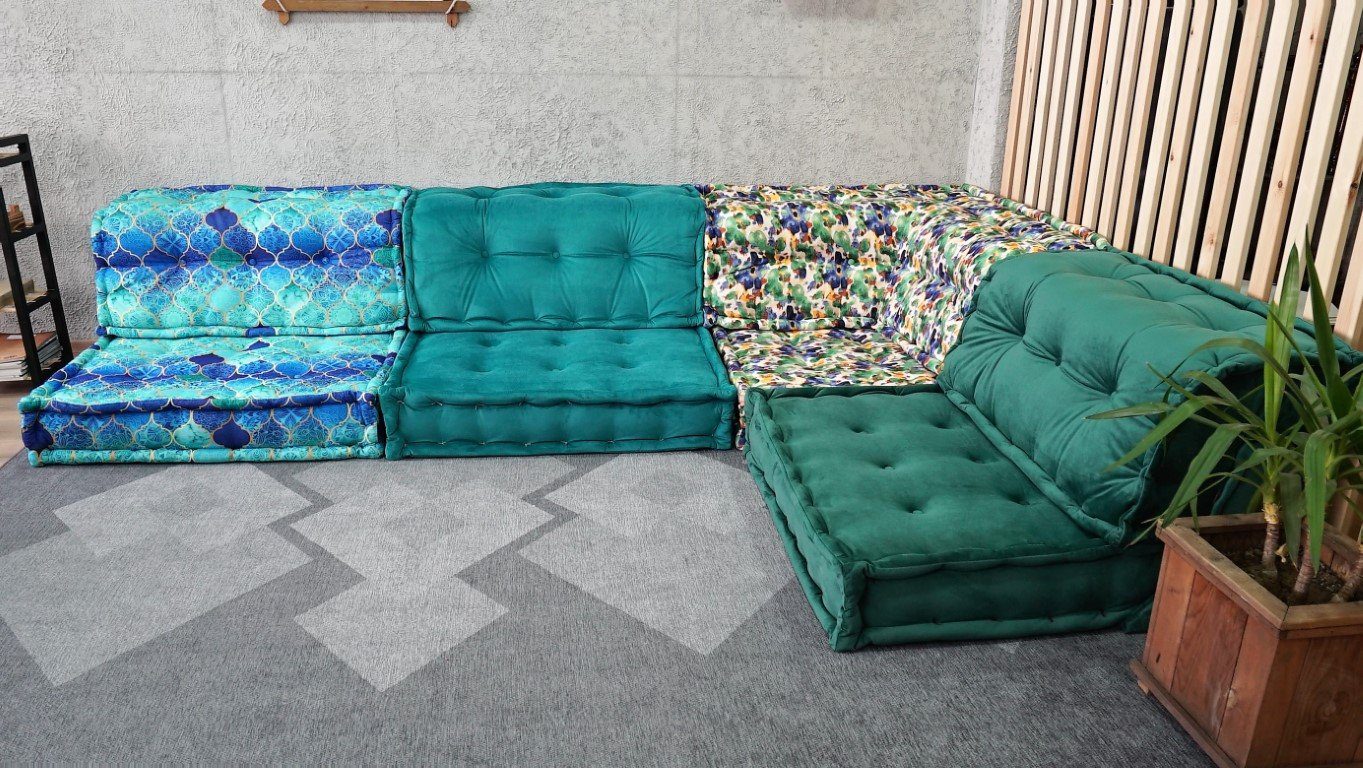
Traditional floor seating has a unique ability to create warmth, comfort, and a more relaxed atmosphere. However, incorporating it into a contemporary home requires thoughtful planning.
Modern interiors often focus on clean lines, open spaces, and simple visual arrangements. Traditional seating styles may include layered fabrics, decorative textiles, and a more informal way of arranging furniture.
The challenge is not choosing between traditional and modern design. It is finding a balance where both styles support each other.
A well-planned space can combine the comfort and hospitality of floor seating with the simplicity and practicality of contemporary interiors.
Understand the Character of Both Styles
Before combining different design approaches, it helps to understand what each style brings to the room.
Traditional floor seating often focuses on:
- Comfort and relaxation
- Layered textiles
- Low arrangements
- Social interaction
- Natural materials
- Decorative details
Contemporary interiors usually emphasize:
- Clean shapes
- Open layouts
- Functional furniture
- Balanced colors
- Minimal visual clutter
The goal is not to remove traditional elements to make them modern. It is to select which details create character and which details may overwhelm the room.
A balanced interior allows traditional pieces to stand out while keeping the overall atmosphere calm.
Use a Simple Background to Highlight Traditional Elements
One of the easiest ways to combine floor seating with modern interiors is creating a simple foundation.
Neutral walls, clean flooring, and controlled colors allow traditional seating elements to become the focus.
For example:
- A neutral room can highlight patterned cushions.
- A simple rug can support layered textiles.
- Minimal furniture can allow low seating to become a feature.
This approach prevents the room from feeling crowded.
Traditional elements often become more noticeable when they have enough visual space around them.
Choose Colors That Connect Both Styles
Color plays an important role when mixing traditional and contemporary design.
Traditional interiors often use richer colors, while modern spaces may prefer calmer palettes.
A balanced approach combines both.
Consider:
Neutral foundations
Colors such as:
- Beige
- Cream
- Soft grey
- Natural wood tones
can create a modern base.
Warm accents
Traditional character can be added through:
- Deep blue
- Terracotta
- Olive
- Burgundy
- Earth tones
These colors can appear in cushions, rugs, or decorative textiles.
The result is a room that feels warm without becoming visually heavy.
Combine Textures Instead of Adding More Decoration
Texture is one of the strongest ways to connect traditional and modern interiors.
A contemporary room can gain warmth through carefully selected materials.
Consider combining:
- Soft cushions
- Natural fabrics
- Wooden details
- Textured rugs
- Simple furniture shapes
This creates depth without requiring many decorative objects.
For example, a clean modern room with a layered textile seating area can feel inviting while maintaining a contemporary character.
Click to our floor sofas: https://sofasia.com/floor-sofas/
Create Balance Through Furniture Placement
The layout of the room determines how traditional seating feels.
Floor-level seating works best when the surrounding arrangement supports it.
Consider:
- Keeping enough open floor space
- Creating clear movement paths
- Avoiding unnecessary furniture around the seating area
- Allowing the seating arrangement to become a natural gathering point
In contemporary interiors, empty space is often part of the design.
Leaving room around traditional seating can make the area feel intentional rather than crowded.
Mix Low Seating With Modern Elements
A traditional floor seating arrangement does not need to exist alone.
Combining different furniture heights can create a more balanced look.
Examples include:
- Low seating with a modern side table
- Floor cushions with simple lighting
- Traditional textiles with clean shelving
- Wooden elements with contemporary accessories
These combinations create contrast while keeping the room connected.
The key is avoiding too many competing focal points.
Choose Materials Carefully
Materials influence how traditional and modern elements interact.
Natural materials often create a bridge between the two styles.
Wood, linen-like fabrics, cotton textures, and woven materials can soften modern spaces.
For example:
- Wooden surfaces add warmth.
- Textured fabrics create comfort.
- Simple finishes maintain a contemporary feeling.
Click to for our wooden sofas: sofasia.com/wooden-sofas
Material choices often have more impact than decoration because they influence the overall feeling of the room.
Adapt Floor Seating for Everyday Practicality
Traditional-inspired seating should still work with modern lifestyles.
Before creating a floor seating area, consider:
- Who will use the space?
- How often will it be used?
- Is cleaning easy?
- Are cushions easy to maintain?
- Does the arrangement suit daily routines?
A guest room may allow a more decorative approach. A family living room may require stronger materials and easier maintenance.
The most successful designs combine atmosphere with practicality.
Use Cushions and Textiles as Flexible Design Elements
One advantage of floor seating is that textiles can easily change the appearance of the room.
Cushions allow you to adjust:
- Colors
- Patterns
- Seasonal styles
- Comfort levels
A simple seating base can feel completely different with new textile combinations.
For example:
- Neutral cushions create a calm modern feeling.
- Patterned textiles add traditional character.
- Mixed textures create warmth.
Click to for seat cushions
This flexibility makes floor seating suitable for people who enjoy changing their interior style over time.
Avoid Common Mistakes When Mixing Styles
Combining traditional and modern design requires balance.
Adding too many traditional details
A room does not need every traditional element at once.
Too many patterns, colors, and decorations can reduce the calm feeling of a contemporary interior.
Creating a style conflict
Not every traditional piece works with every modern design.
Consider whether the colors, materials, and proportions support each other.
Ignoring comfort
A seating arrangement should feel good to use, not only look attractive.
Forgetting proportions
Large traditional seating elements may overwhelm small contemporary rooms.
Always consider the scale of the space.
Small Rooms and Large Rooms Need Different Approaches
The size of the room affects how traditional floor seating should be introduced.
Small spaces
Smaller rooms benefit from:
- Lighter colors
- Fewer decorative elements
- Flexible pieces
- Open floor areas
A simple floor seating arrangement can make a small room feel comfortable without feeling crowded.
Large spaces
Large rooms allow more layering.
You can introduce:
- Larger textile combinations
- Multiple seating zones
- Stronger color accents
- More decorative details
However, balance remains important. Even large spaces need visual organization.
Create a Personal Interpretation of Traditional Design
Modern homes do not need to recreate traditional rooms exactly.
The most interesting interiors often reinterpret traditional ideas in a personal way.
A contemporary home may include:
- A relaxed floor seating corner
- Modern lighting
- Natural materials
- Minimal decoration
- Carefully selected textiles
This creates a space that feels connected to tradition while still matching modern lifestyles.
Building a Comfortable Space That Feels Timeless
Traditional floor seating and contemporary interiors can work together when each style is given room to contribute.
The warmth, comfort, and social feeling of floor seating can soften modern spaces. The simplicity of contemporary design can help traditional elements feel fresh and balanced.
The key is thoughtful choices in layout, materials, colors, and textures.
A successful interior does not depend on following one style completely. It comes from creating a space that feels comfortable, functional, and personal.