Blog
Floor Cushions With Back Support – Comfortable, Handmade & Custom Seating Solutions


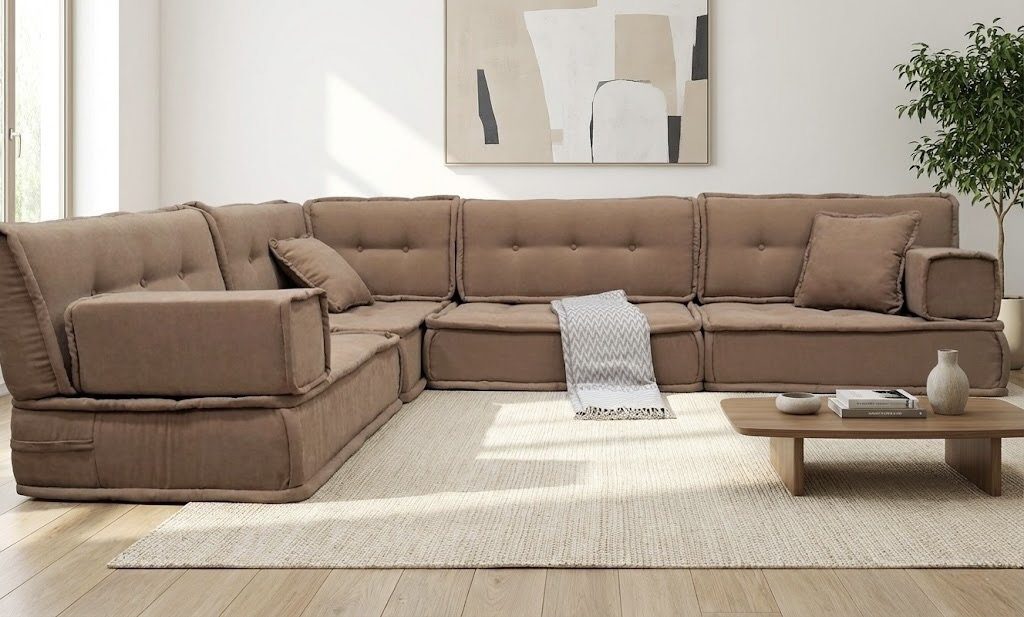
Floor cushions with back support can solve a very specific problem in the home: how to create relaxed, low seating that still feels genuinely comfortable for longer use. Standard floor cushions may look appealing, but without proper structure they often work better for short sitting sessions than for reading, watching a film, gaming, or spending time with guests. The addition of back support changes that completely.
That is what makes this type of seating so useful in modern interiors. It brings the calm, grounded feel of low seating without forcing the room to become purely casual or impractical. The key is choosing the right balance of support, size, materials, and layout. This guide explains how to think through floor cushions with back support in a way that helps real homes, real habits, and real comfort needs.
Start With How the Seating Will Be Used
Before looking at fabrics, colors, or styling, it helps to decide what role the seating will play. Floor cushions with back support can work in many settings, but the right version for a reading corner is not always the right one for a family lounge or meditation room.
A cushion used for occasional extra seating can be softer and simpler. One that will be used every day needs more careful attention to back angle, filling density, and overall size. That is especially true if the seating is intended for longer periods of use rather than short, casual sitting.
This is often where a good decision begins. Ask what the seating needs to do first.
- Is it for everyday lounging or occasional use?
- Will people sit upright, recline slightly, or fully relax into it?
- Is the room a living area, a gaming room, a reading nook, or a meditation space?
- Does the seating need to stay in one place or move around easily?
- Will it be used by adults, children, guests, or a mix of people?
These questions shape almost every practical decision that follows. A calm lounge setup may benefit from deeper, more relaxed cushions. A reading area usually needs stronger back support. A multi-use room may need pieces that are easier to rearrange or store.
Back Support Makes the Difference Between Decorative and Functional Seating
The main advantage of this kind of floor seating is right in the name. Back support turns a soft floor cushion into a more usable seating option.
Without support behind the body, low seating can become tiring quickly. People shift constantly, lean against the wall, or pile on extra cushions to make the setup work. A built-in or integrated backrest avoids that problem and creates a more stable sitting position.
That does not mean the cushion needs to feel rigid. The best versions balance softness with structure. They support the spine and encourage a relaxed posture without feeling stiff or upright like formal seating. This is what makes them especially suited to spaces that aim to feel cozy, informal, and grounded.
Back support matters even more in these situations:
For reading and longer sitting sessions
A supportive back angle helps reduce the need to constantly readjust. This matters far more than many people expect once the seating becomes part of daily life.
For gaming or entertainment rooms
Low seating can work very well in media spaces, but only if it provides enough support for extended use. Otherwise the comfort drops off quickly.
For shared living spaces
If more than one person uses the seating regularly, supportive construction becomes even more important. What feels comfortable for ten minutes is not always comfortable through an entire evening.
A good floor cushion with back support should feel intentionally designed, not improvised.
Size and Proportion Need to Match the Room
One of the biggest strengths of floor cushions with back support is flexibility. They can work in rooms where conventional furniture feels too bulky or too fixed. But that flexibility only works well when the size is right.
A cushion that is too shallow may not feel stable enough. One that is too deep can make sitting upright awkward unless the back support is positioned properly. Height also matters. If the back is too low, it may not offer enough support. If it is too tall in a very compact room, the seating may lose some of the openness that makes low furniture appealing in the first place.
This is where custom sizing becomes particularly useful. Not every room is built around standard furniture dimensions, and low seating tends to be more sensitive to proportion than people expect.
Custom sizing can be especially helpful in:
- awkward corners
- open-plan rooms that need a soft seating zone
- meditation or studio spaces
- modular lounge arrangements
- small apartments where efficient use of space matters
In homes that lean toward flexible, grounded seating rather than conventional sofa layouts, readers may also want to explore adjacent low-profile options here: floor sofa collection
Materials Shape Comfort, Durability, and the Look of the Room
The fabric and filling of a floor cushion affect much more than appearance. They influence how the seating feels, how long it lasts, and how easily it fits into the visual tone of the room.
High-quality upholstery materials usually perform better over time because they are made to handle pressure, repeated use, and daily contact. That matters even more in floor seating, where the cushion absorbs more of the direct force and wear than a traditional framed seat would.
Woven textiles and natural blends can add warmth and tactile depth. They work especially well in relaxed interiors where the goal is comfort with a design-conscious feel. Smoother upholstery materials may create a cleaner, more structured look, which can suit modern and minimalist rooms.
The choice often comes down to the atmosphere you want:
- textured fabrics tend to feel softer and more lived-in
- smoother fabrics tend to feel more streamlined and architectural
- neutral tones create calm and flexibility
- bolder textures or deeper tones can make the seating feel more defined
Durability also depends on what is inside the cushion. Good internal filling helps it maintain shape and prevents the seat from flattening too quickly. This matters for comfort, but also for appearance. Cushions that lose structure easily tend to make the whole room feel less considered.
Floor Cushions With Back Support Work Best in Specific Types of Spaces
This kind of seating is versatile, but it tends to work especially well in rooms where comfort and flexibility matter more than formality. The lower height creates a grounded feeling that suits interiors designed around relaxation, quiet routines, and a more open use of space.
Living rooms can benefit from this format when the goal is to create a softer lounge atmosphere rather than a formal seating arrangement. Reading corners and home libraries often feel especially natural with supported floor seating because the experience is intimate and calm. Meditation or yoga spaces also benefit from the lower, more grounded profile.
Other strong use cases include:
- entertainment or gaming rooms
- creative studios
- guest-friendly flexible seating zones
- Japanese-inspired or minimalist interiors
- multi-purpose rooms where furniture needs to stay visually light
The reason these settings work so well is simple: floor cushions with back support offer comfort without adding visual bulk. They allow a room to stay open, but still usable.
They can also pair well with layered, adaptable seating concepts where the room benefits from movable comfort elements rather than one rigid arrangement. In that context, a natural supporting reference may fit well here: seat cushion category
Space-Saving Appeal Only Works if the Layout Feels Intentional
Low seating is often chosen for small homes and apartments because it helps a room feel more open. That is a real advantage, but it only works when the layout is planned with care.
A few floor cushions placed loosely in a room can easily look temporary instead of intentional. The room needs enough structure around them to make the seating feel like part of the design. A rug, low table, nearby lighting, or textile layering can help define the area and give it visual presence.
In smaller spaces, floor cushions with back support can work better than bulky framed seating because they preserve sightlines and make the room feel less crowded. In larger rooms, though, they often need more grounding so they do not look lost.
A few layout ideas usually help:
- place the seating where it naturally creates a zone within the room
- use a rug large enough to anchor the arrangement
- keep nearby furniture visually light
- layer in textiles to avoid a sparse feeling
- think about wall support, corner use, and movement paths
The goal is not simply to save space. It is to make the room feel calm, usable, and visually coherent.
Maintenance Matters More Than People Expect
Comfort gets most of the attention, but practicality often decides whether a seating choice still feels right months later. Floor seating is handled more directly than many standard furniture pieces. It is sat on casually, leaned against, moved, and sometimes stacked or rearranged. That makes maintenance an important part of the decision.
Homes with children or pets often benefit from fabrics that are easier to clean and visually forgiving. Textures that disguise minor wear or slight marks usually feel easier to live with than delicate-looking surfaces that show every sign of use.
Long-term performance also depends on how well the filling recovers its shape. A cushion that looks generous at first but compresses quickly can lose both comfort and visual appeal. This is one reason craftsmanship matters. Strong stitching, durable seams, and well-selected materials affect how well the seating ages.
A useful question to ask is not just “Will this look good now?” but “Will this still feel practical after a year of regular use?”
How to Choose the Right Floor Cushions With Back Support
The best choice usually comes from balancing comfort, proportion, material quality, and everyday practicality. A cushion may look beautiful but still feel wrong if the back support is too soft, the dimensions are off, or the fabric does not suit the room.
A more useful way to choose is to think through the role of the seating in daily life. Is it there to create a reading retreat, support quiet evenings, offer flexible seating for guests, or soften a multifunctional room? Once that is clear, the right specifications become easier to identify.
The strongest floor cushions with back support do three things well. They support the body comfortably, suit the scale and mood of the room, and hold up through regular use. That combination is what makes them feel like real furniture rather than a temporary seating idea. When chosen with care, they can bring warmth, flexibility, and a grounded sense of comfort that fits beautifully into modern living.
1. What are floor cushions with back support used for?
They are used for comfortable floor seating in living rooms, meditation areas, gaming rooms, and minimalist interiors, providing ergonomic back support.
2. Are floor seating cushions with back support comfortable for long sitting?
Yes. The ergonomic backrest helps maintain proper posture, making them suitable for extended sitting periods
3. Can I customize the size of a floor cushion with back support?
Absolutely. Custom sizes allow you to choose the ideal dimensions for your space and seating needs.
4. What materials are used in floor cushions with back support?
They are made using premium upholstery fabrics, woven textiles, and durable internal filling for long-lasting comfort.
5. Are these cushions suitable for small spaces?
Yes. Floor cushions are space-saving and ideal for apartments, studios, and multifunctional rooms.
6. Can floor cushions with back support replace a traditional sofa?
In many cases, yes. They offer a comfortable, flexible alternative to bulky sofas, especially in modern or minimalist homes.
7. How do I clean and maintain floor seating cushions?
Cleaning depends on the fabric type, but most options are designed for easy maintenance and durability.
8. Are floor cushions with back support good for posture?
Yes. The integrated back support helps reduce strain on the lower back and promotes healthier sitting posture.
9. Do you offer worldwide shipping?
Yes. Floor cushions with back support are available for worldwide delivery, shipped directly from the maker.