Blog
Wooden Sofa Frames vs Fully Upholstered Sofas: Pros, Cons, and Room Fit

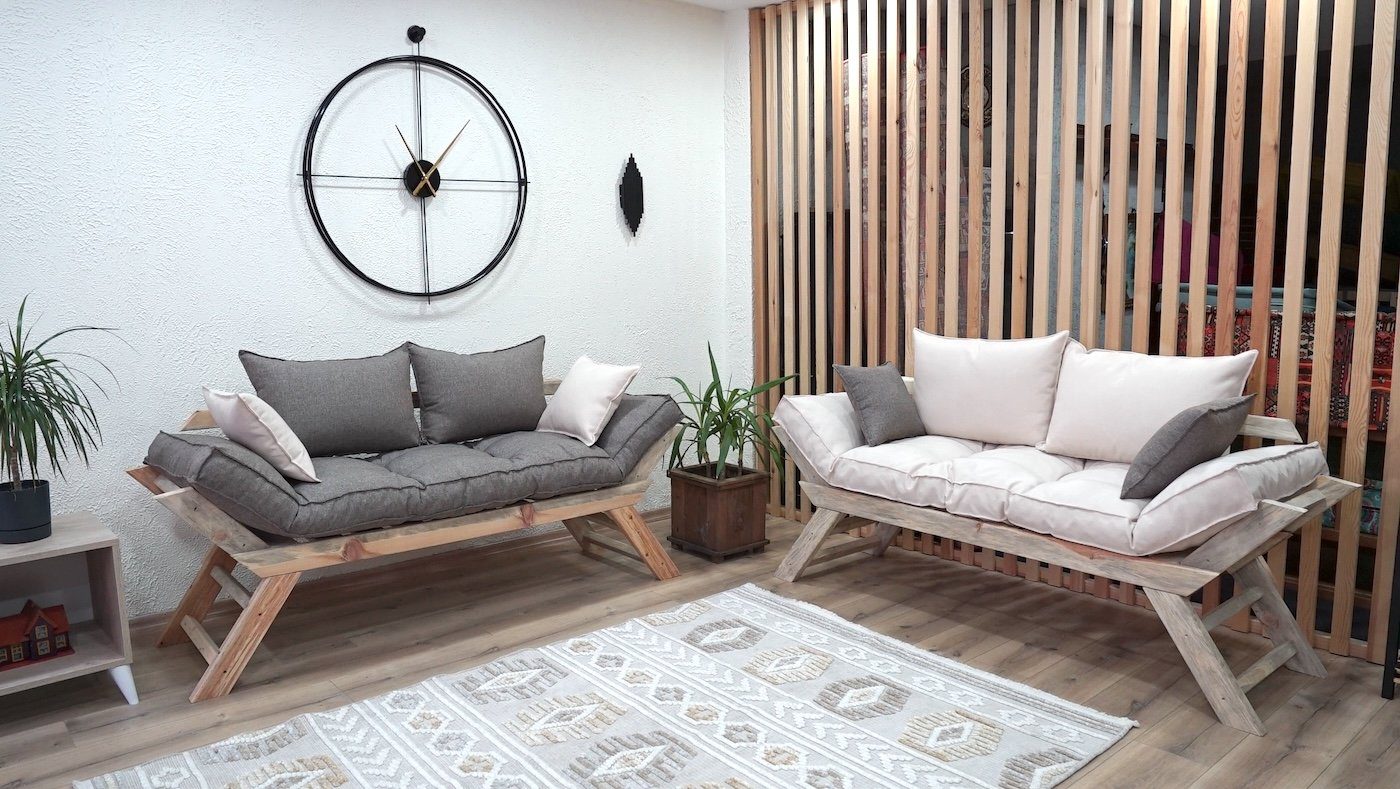
Choosing between a wooden sofa frame and a fully upholstered sofa affects more than just how a room looks. It influences how the space feels, how flexible your layout can be, and how comfortable the seating remains over time.
Both options can work well in relaxed living spaces, but they serve different purposes. Understanding how they differ helps you choose a setup that fits your habits, room size, and long-term use.
Understanding the Core Difference
At a basic level, the distinction comes down to structure versus softness.
A wooden sofa frame provides a visible structure—often with defined edges, exposed wood, and separate cushions placed on top. Fully upholstered sofas, on the other hand, conceal the structure entirely, creating a continuous, padded form.
This difference shapes everything from comfort to maintenance and even how the room is perceived visually.
Wooden Sofa Frames: Structure, Airiness, and Flexibility
Wooden-framed seating tends to feel lighter in a space, even when it’s physically solid. The exposed frame allows air and light to pass through, which can make a room feel less crowded.
Advantages of wooden frames
1. Visual openness
The gaps around and beneath the frame reduce visual weight. This is especially helpful in smaller rooms where bulky furniture can feel overwhelming.
2. Adaptable styling
Because cushions are separate, it’s easier to update the look over time. Changing covers or adding layers can shift the style without replacing the entire piece.
3. Defined structure with flexibility
The frame provides clear boundaries, but the seating itself can be softened or adjusted with different cushion arrangements.
4. Works well with mixed seating
Wooden frames pair easily with floor seating elements, poufs, or low cushions, making them suitable for layered, relaxed layouts.
Sectional cushions with wooden platform: https://sofasia.com/wooden-sofas/
Limitations to consider
- Comfort depends heavily on cushion quality
- Hard edges may feel less forgiving for lounging
- Requires thoughtful styling to avoid feeling too minimal or rigid
Wooden frames are often chosen for their balance—they offer structure without fully committing to the bulk of traditional upholstered sofas.
Fully Upholstered Sofas: Softness and Immediate Comfort
Fully upholstered sofas are designed for ease. The entire structure is padded, which creates a unified and often more inviting surface.
Advantages of upholstered sofas
1. Consistent comfort
You can sit down without adjusting anything. The softness is built into the design, which makes them ideal for longer sitting sessions.
2. Cohesive appearance
The continuous fabric surface creates a more uniform look, which works well in polished or structured interiors.
3. Better for lounging without setup
For households that rely on their sofa daily—watching TV, relaxing, or hosting—this consistency is practical.
Limitations to consider
- Heavier visual presence, especially in small rooms
- Less flexibility in styling or adjusting comfort
- More difficult to update without replacing the entire piece
In spaces where simplicity and predictability are priorities, upholstered sofas tend to feel more straightforward.
Comfort Differences: Structured vs Adaptive Support
Comfort isn’t just about softness—it’s about how the seating supports your body over time.
Wooden frame comfort
Comfort here depends on how cushions are layered and arranged. This creates a more adaptable experience.
- You can adjust firmness by changing cushions
- Back support can be customized with additional layers
- Seating depth can feel more flexible
However, this also means comfort isn’t automatic. It requires some setup and occasional adjustment.
Upholstered sofa comfort
Upholstered sofas provide consistent, built-in support. The shape is fixed, so what you feel initially is what you’ll experience long-term.
This works well for:
- Predictable daily use
- Households that prefer minimal adjustment
- People who value convenience over flexibility
The trade-off is that you can’t easily modify the feel if your needs change.
Room Fit: Which Option Works Where?
The size and style of your room play a major role in which option feels more appropriate.
Small rooms
Wooden frames often perform better because they:
- Take up less visual space
- Allow more light to pass through
- Pair well with low seating or modular arrangements
Upholstered sofas can still work, but they need to be carefully scaled to avoid dominating the room.
Medium to large rooms
Both options can work well, but the choice depends on the desired atmosphere.
- Wooden frames create a lighter, more layered look
- Upholstered sofas create a more anchored, defined seating area
In larger rooms, upholstered sofas can help establish structure, while wooden frames maintain openness.
Multi-purpose spaces
Rooms that serve multiple functions—such as lounging, hosting, or working—benefit from flexibility.
Wooden-framed seating tends to adapt more easily in these cases, especially when combined with modular elements.
Floor sofas: https://sofasia.com/floor-sofas/
Style and Atmosphere: Light vs Grounded
The visual impact of each option shapes how the room feels.
Wooden frames create a lighter aesthetic
They often align with:
- Natural or minimalist interiors
- Layered, relaxed styling
- Spaces that prioritize texture and openness
The visible structure adds character without overwhelming the room.
Upholstered sofas create a more grounded presence
They tend to:
- Anchor the space visually
- Define seating zones clearly
- Suit more structured or formal interiors
The continuous surface creates a sense of solidity and cohesion.
Maintenance and Long-Term Practicality
Over time, how easy a sofa is to maintain becomes just as important as how it looks.
Wooden frame maintenance
- Cushion covers are often removable and easier to clean
- Individual components can be replaced without changing the entire piece
- Frames tend to be durable if properly cared for
This makes them practical for evolving needs.
Upholstered sofa maintenance
- Cleaning can be more involved, especially for fixed upholstery
- Wear is distributed across the entire piece
- Repairs or updates often require more effort
While durable, they offer less flexibility when changes are needed.
Common Mistakes When Choosing Between the Two
Some decisions lead to mismatches between the seating and the space.
- Choosing based only on appearance, not daily use
- Ignoring how the sofa affects room flow and movement
- Overlooking long-term maintenance needs
- Selecting oversized pieces for smaller rooms
- Assuming softer always means more comfortable
The right choice usually becomes clear when you consider how the space is actually used, not just how it looks.
Finding the Right Balance for Your Space
There isn’t a single correct answer when comparing wooden sofa frames and fully upholstered sofas. Each offers a different approach to comfort, structure, and flexibility.
Wooden frames lean toward adaptability and visual lightness. Upholstered sofas provide consistency and ease. The better option depends on how you live—whether you prefer to adjust your space over time or rely on a fixed, ready-to-use setup.
In many homes, a thoughtful mix of both can create a more balanced and functional environment.