Blog
How to Mix Patterned Fabrics in Interior Design

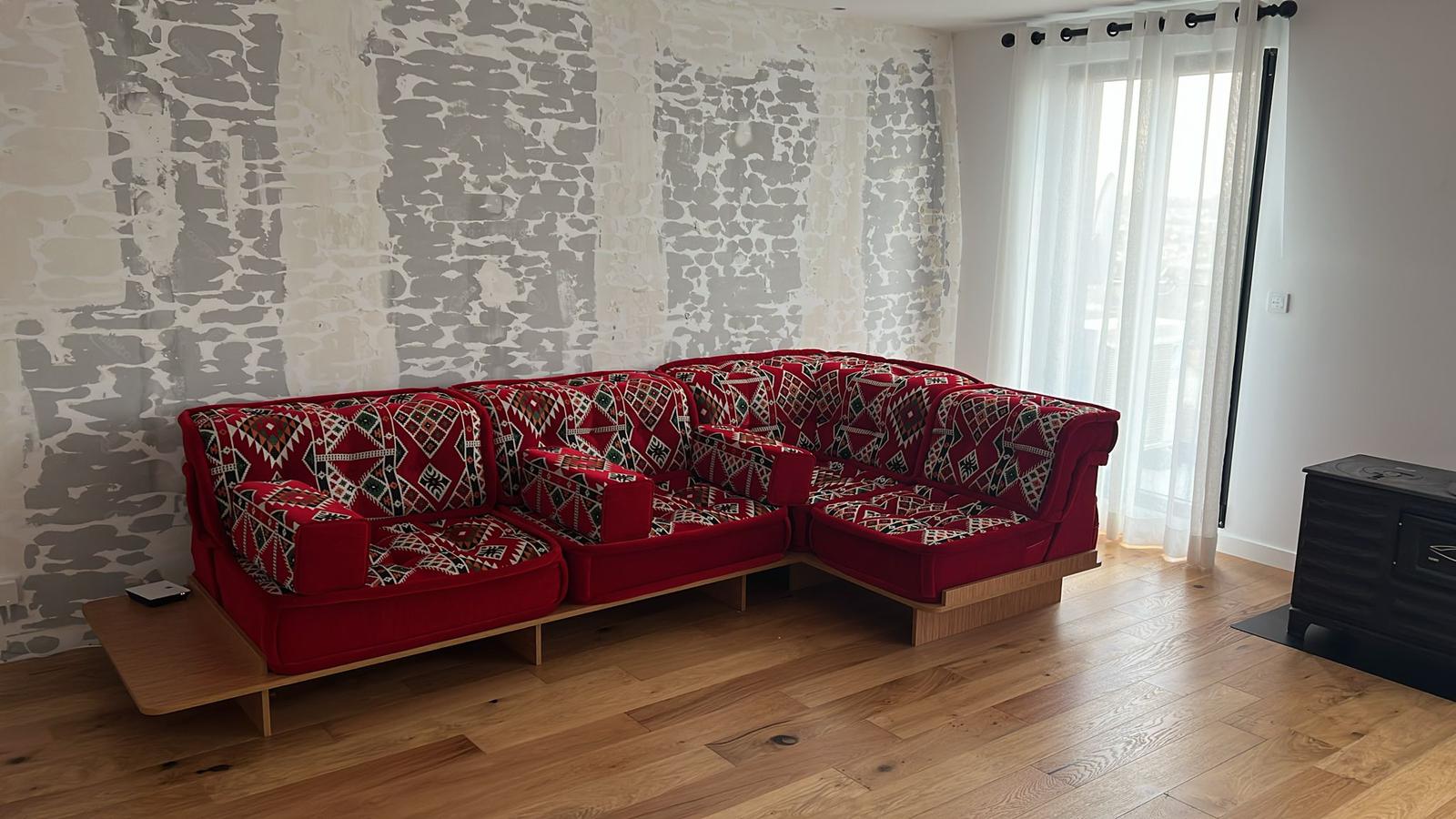
Using patterned fabrics can add personality, warmth, and character to a room. However, combining too many patterns without a clear plan can make the space feel crowded and difficult to relax in.
The goal is not to avoid patterns. It is to create balance.
A comfortable interior usually combines different textures and designs while giving the eye places to rest. Patterned cushions, rugs, curtains, and seating fabrics can work together when they share a connection through color, scale, or style.
Understanding how patterns interact makes it easier to create a room that feels layered without becoming overwhelming.
Start With One Main Pattern
The easiest way to create balance is choosing one pattern as the visual focus.
This main pattern can appear on:
- A rug
- Decorative cushions
- Curtains
- A feature textile
- A seating element
Once the main pattern is selected, other patterns should support it rather than compete with it.
For example:
A detailed patterned rug can work well with simpler cushions. A bold cushion design can be balanced with plain curtains and neutral seating.
The mistake many people make is choosing several attractive patterns individually without considering how they work together.
A room feels more organized when one element leads and the others create support.
Use Color to Connect Different Patterns
Patterns do not need to look the same to work together. They need a visual relationship.
Color is one of the easiest ways to create that connection.
A useful approach is choosing patterns that share at least one or two colors.
For example:
- A blue patterned cushion can connect with a blue detail in the rug.
- A warm-toned curtain can support earthy colors in seating fabrics.
- Neutral patterns can balance stronger decorative elements.
The colors do not need to be identical. Similar tones are often enough to create harmony.
This approach works especially well in relaxed interiors where comfort and warmth are the priority.
Mix Pattern Sizes Carefully
Pattern scale has a major effect on how a room feels.
Combining different sizes usually creates better balance.
A simple combination could include:
- One large-scale pattern
- One medium pattern
- One small repeating pattern
- Plain areas between them
Large patterns attract attention. Small patterns add detail. Medium patterns help connect the two.
Using several large patterns together can make a room feel visually heavy, especially in smaller spaces.
The same principle applies to seating areas. A large patterned rug may need calmer fabrics around it to maintain balance.
Combine Patterns With Solid Fabrics
Pattern does not need to appear everywhere.
Solid fabrics are important because they create visual breaks.
A room with patterned curtains, patterned cushions, and a patterned rug may feel busy even if every piece is individually attractive.
Adding plain surfaces helps:
- Highlight important patterns
- Create calm areas
- Make the room easier to look at
- Balance decorative details
For example, a textured neutral seating area can provide a calm foundation for patterned accessories.
Click to for floor sofas
This approach allows you to enjoy decorative fabrics without making the entire room feel crowded.
Consider Texture Alongside Pattern
Pattern is not only about printed designs. Texture also affects how a fabric feels visually.
A room can become overwhelming when it has too many competing textures and patterns at the same time.
Think about combining:
- Smooth fabrics with woven materials
- Plain cushions with patterned textiles
- Soft seating with textured rugs
- Natural materials with decorative fabrics
Texture creates depth without requiring stronger colors or more patterns.
For relaxed seating areas, this balance is especially important because comfort comes from both appearance and touch.
Match Patterns to the Style of the Room
Different interior styles use patterns differently.
Modern interiors
Modern spaces often benefit from controlled pattern use.
Good approaches include:
- Simple geometric designs
- Limited color combinations
- One strong decorative element
The goal is keeping the room clean while adding personality.
Traditional interiors
Traditional spaces often allow richer layering.
Possible combinations include:
- Detailed textile patterns
- Decorative cushions
- Rich fabrics
- Layered colors
The key is maintaining a connection between the patterns.
Oriental-inspired interiors
Oriental seating spaces often use textiles as an important design element.
Patterns may appear through:
- Cushions
- Rugs
- Decorative fabrics
- Layered seating materials
Click to for oriental or majlis-inspired seating
These spaces usually work best when patterns are balanced with comfortable textures and warm colors.
Avoid Mixing Too Many Design Themes
A room can become confusing when patterns come from completely different visual directions.
For example:
- A traditional floral pattern
- A bold modern geometric print
- A tropical pattern
- A highly decorative vintage textile
Each may look attractive alone, but together they may lack connection.
Instead, decide on the feeling you want:
- Calm and natural
- Rich and traditional
- Modern and clean
- Warm and layered
Then choose patterns that support that direction.
Use Cushions as a Safe Way to Experiment
Cushions are one of the easiest places to introduce patterns because they are flexible.
Unlike larger furniture pieces, cushions can be changed more easily when your style preferences evolve.
A balanced cushion arrangement may include:
- A patterned cushion
- A textured plain cushion
- A solid color cushion
- Different sizes and shapes
This creates depth without requiring major changes to the room.
Click to for seat cushion category
Small decorative changes can significantly affect the atmosphere of a seating area.
Think About Room Size Before Adding Patterns
The size of the room influences how much pattern it can handle.
Small rooms
Smaller spaces usually benefit from more controlled patterns.
Helpful approaches include:
- Using fewer dominant designs
- Choosing lighter colors
- Keeping larger surfaces calmer
- Avoiding too many competing details
Patterns can still work in small rooms. They simply need more careful placement.
Large rooms
Larger spaces provide more freedom.
You can use:
- Bigger patterns
- Stronger contrasts
- Multiple textile layers
However, balance is still necessary. A large room can also feel visually chaotic if every area demands attention.
Common Mistakes When Mixing Patterns
Understanding common problems makes pattern mixing easier.
Using patterns without a color connection
Different patterns can feel random if they do not share any visual relationship.
Choosing too many statement pieces
Every room needs areas that are quiet. If everything stands out, nothing feels special.
Ignoring the surrounding materials
Patterns should work with:
- Flooring
- Walls
- Lighting
- Furniture materials
A fabric combination that looks good alone may not suit the whole room.
Forgetting about everyday comfort
A room should still feel relaxing.
Highly decorative spaces may look impressive but can become tiring if there is no visual calm.
Create Balance Through Layering
The most successful patterned interiors usually develop gradually.
Start with the larger elements:
- Seating foundation
- Rug or curtains
- Decorative textiles
- Smaller accessories
This order helps prevent random choices.
Patterns should add personality, not create competition between different parts of the room.
Creating a Comfortable Room With Patterned Fabrics
Mixing patterned fabrics is about creating relationships between different elements.
The goal is not perfect matching. It is balance.
A room feels comfortable when patterns, colors, and textures support each other. Some areas attract attention, while others allow the eye to rest.
By choosing a main pattern, connecting colors, balancing scales, and using solid fabrics thoughtfully, you can create a space that feels rich, personal, and welcoming without becoming visually overwhelming.
How to Mix Patterned Fabrics in Interior Design
How many patterns should you mix in one room?
A good rule of thumb is the “Rule of Three”: mix one large-scale pattern, one medium-scale pattern, and one small-scale pattern, balanced with solid colors.
Can you mix florals with geometric patterns?
Yes! Geometric and floral patterns complement each other well as long as they share a similar color palette and differ in scale.