Blog
What to Consider Before Ordering Handmade Seating in Custom Sizes

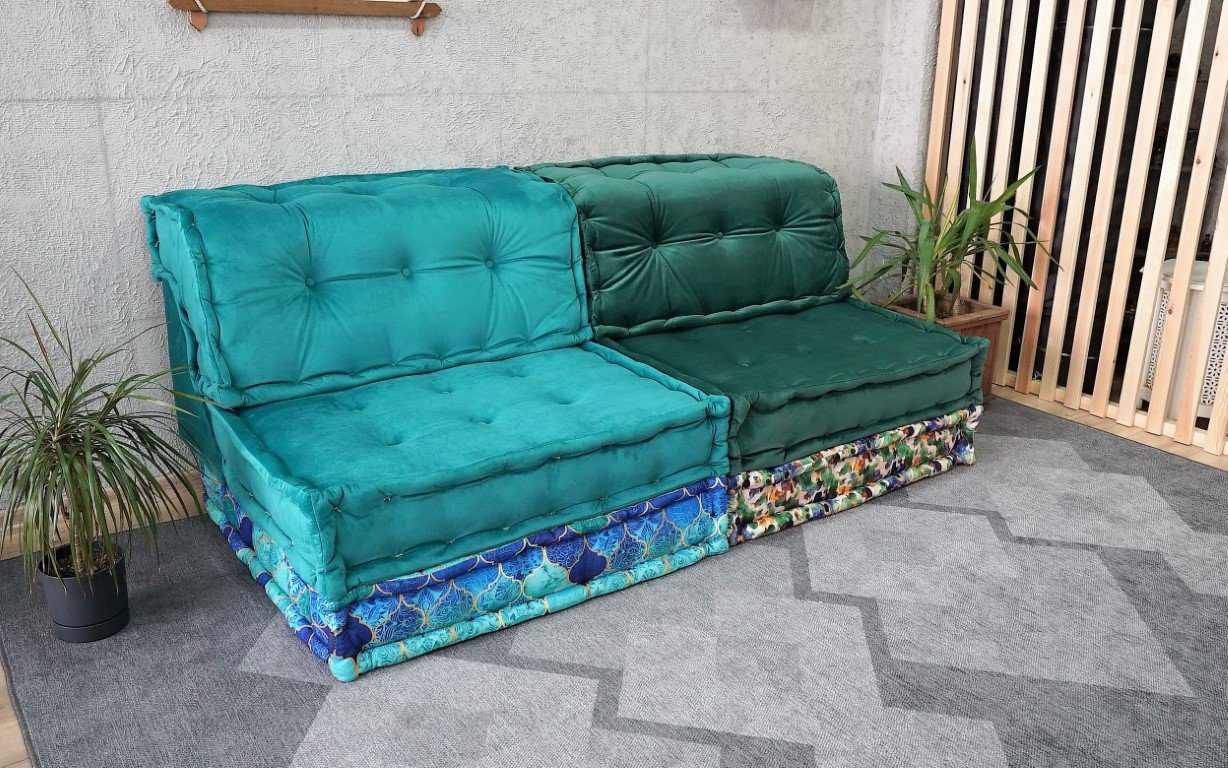
Ordering handmade seating in a custom size gives you the opportunity to create a piece that fits your space instead of adjusting your room around standard dimensions.
However, custom-made furniture requires more planning than choosing a ready-made option. Small measurement mistakes, unsuitable materials, or unclear expectations can affect the final result.
A successful custom seating project starts before production begins. Understanding your room, comfort preferences, materials, and daily habits helps create a piece that feels natural in your home.
Measure the Space Before Choosing Dimensions
The first step in any custom seating project is accurate measurement.
Many people focus only on the available width, but comfortable seating depends on several dimensions working together.
Consider measuring:
- Available floor space
- Wall length
- Seating depth
- Height from the floor
- Distance from other furniture
- Walking paths around the seating area
A piece may technically fit into a room but still make the space uncomfortable if it blocks movement or feels too large.
For example, a deep seating design can feel comfortable in a large lounge area but may overwhelm a smaller room. Similarly, low seating may work well in an open space but require more planning in a compact area.
Before finalizing dimensions, imagine how people will move around the furniture. Leave enough room for daily activities, cleaning, and natural movement.
Think About How the Seating Will Actually Be Used
Custom sizing should reflect your lifestyle, not only the size of the room.
A seating piece used every day needs different characteristics from one designed mainly for decoration or occasional guests.
Consider:
Everyday family use
A family seating area usually needs durability, easy maintenance, and comfortable dimensions for longer periods.
Important factors may include:
- Strong fabric choices
- Supportive cushioning
- Practical cleaning requirements
- Enough space for multiple users
Guest areas
A guest room or formal sitting area may prioritize appearance and atmosphere.
In these spaces, you may focus more on:
- Decorative fabrics
- Traditional details
- Coordinated colors
- A specific visual style
Relaxation spaces
Reading corners, lounges, or quiet areas often benefit from deeper seating and softer materials.
The purpose of the seating should guide the design decisions.
Choose the Right Seating Depth and Height
Custom furniture allows you to adjust dimensions that are usually fixed in standard designs.
This is one of the biggest advantages, but it also requires careful consideration.
Seating depth
A deeper seat can create a relaxed lounging experience. However, excessive depth may make it uncomfortable for shorter users because their feet may not rest naturally on the floor.
A shallower seat can feel more supportive for upright sitting.
The right choice depends on:
- Who will use the seating
- Preferred sitting position
- Whether people sit formally or lounge casually
Seating height
Low seating creates a relaxed, informal atmosphere. It is often associated with floor-level and lounge-style interiors.
However, very low seating may not be suitable for everyone, especially users who prefer easier movement when sitting down or standing up.
Comfort comes from matching the design with the people who will use it most.
Select Materials Based on Comfort and Maintenance
The appearance of handmade seating is important, but the materials determine how it performs over time.
Different fabrics and fillings create different experiences.
Fabric considerations
Think about:
- Texture
- Durability
- Cleaning requirements
- How the material feels against the skin
- How it works with the room style
A soft textured fabric can create a warmer atmosphere, while a more structured material may provide a cleaner appearance.
Cushion filling
The filling affects:
- Firmness
- Support
- Shape retention
- Long-term comfort
A very soft cushion may feel comfortable at first but may require more adjustment over time. A firmer filling may provide stronger support for daily use.
The best choice depends on whether the seating is designed mainly for lounging, conversation, or a combination of activities.
Consider the Relationship Between Seating and Room Design
Custom seating should feel connected to the rest of the interior.
Before deciding on colors and materials, look at:
- Existing furniture
- Wall colors
- Flooring
- Curtains
- Rugs
- Lighting
A custom piece should not appear isolated from the room.
For example, a handmade seating arrangement with natural fabrics may work well in a warm, relaxed interior. A structured design with cleaner lines may suit a more modern space.
For homes that prefer relaxed layouts, custom-sized low seating can help create a more personal and flexible arrangement.
We recommend that you take a look at our collection of floor sofa.
Understand the Difference Between Handmade and Standard Furniture
Handmade seating offers more flexibility, but it also requires realistic expectations.
Unlike mass-produced furniture, handmade pieces may have small variations. These differences are often part of the character of handcrafted work.
Benefits of handmade seating can include:
- Custom dimensions
- Personal material choices
- More control over design details
- Better adaptation to unusual spaces
However, the process usually requires more communication before production.
Clear discussions about measurements, materials, colors, and expected use help avoid misunderstandings.
Plan for Long-Term Practicality
Custom furniture is an investment in how your space functions over time.
Before finalizing the design, think beyond the first impression.
Ask yourself:
- Will this size still work if the room changes?
- Is the material practical for my lifestyle?
- Can the covers or fabrics be maintained easily?
- Will the seating remain comfortable after regular use?
- Does it fit the way people actually sit?
A design that looks impressive but does not support daily habits may become inconvenient.
Long-term comfort comes from practical decisions made early.
Avoid Common Mistakes When Ordering Custom Seating
Custom projects can become challenging when important details are overlooked.
Measuring only the furniture area
The seating itself is not the only consideration. You also need to think about movement around it.
Choosing dimensions based only on appearance
A very large or deep design may look attractive but may not feel comfortable in everyday use.
Ignoring delivery access
Large handmade pieces may need to pass through:
- Doors
- Hallways
- Staircases
- Elevators
Check access points before confirming final dimensions.
Selecting materials without considering maintenance
A fabric that looks attractive may not be practical for a busy household.
Changing decisions late in the process
Custom production depends on clear planning. Frequent changes can affect timing and results.
Custom Seating for Different Interior Styles
Handmade seating can adapt to many design approaches.
Modern interiors
Custom sizing can help create clean, balanced layouts with simple shapes and controlled colors.
Traditional interiors
Rich fabrics, layered cushions, and natural materials can create a warmer atmosphere.
Oriental and majlis-inspired spaces
Custom dimensions are especially useful because these spaces often depend on specific room proportions and comfortable arrangements.
Layered cushions, low seating, and coordinated textiles can create a welcoming social environment.
We recommend that you take a look at our collection of oriental or majlis-inspired seating
Combine Custom Seating With Supporting Elements
A seating arrangement is rarely only one piece of furniture.
The surrounding elements influence comfort and appearance.
Consider how the custom piece works with:
- Cushions
- Poufs
- Side tables
- Rugs
- Lighting
- Decorative textiles
Additional elements can increase flexibility and help the room adapt to different situations.
For example, extra cushions can create more relaxed seating positions, while smaller movable pieces can provide additional places for guests.
We recommend that you take a look at our collection of sofa cushions.
Creating a Custom Seating Piece That Fits Your Life
Custom handmade seating works best when the design process starts with understanding your space and habits.
The most important decisions are not only about appearance. They involve measurements, comfort, materials, and long-term practicality.
A well-planned custom piece becomes part of the room rather than simply filling an empty area.
By considering how you live, how the space is used, and what details matter most, you can create seating that feels natural, comfortable, and personal for years to come.