Blog
How to Coordinate Sofa Fabric With Curtains, Rugs, and Cushions

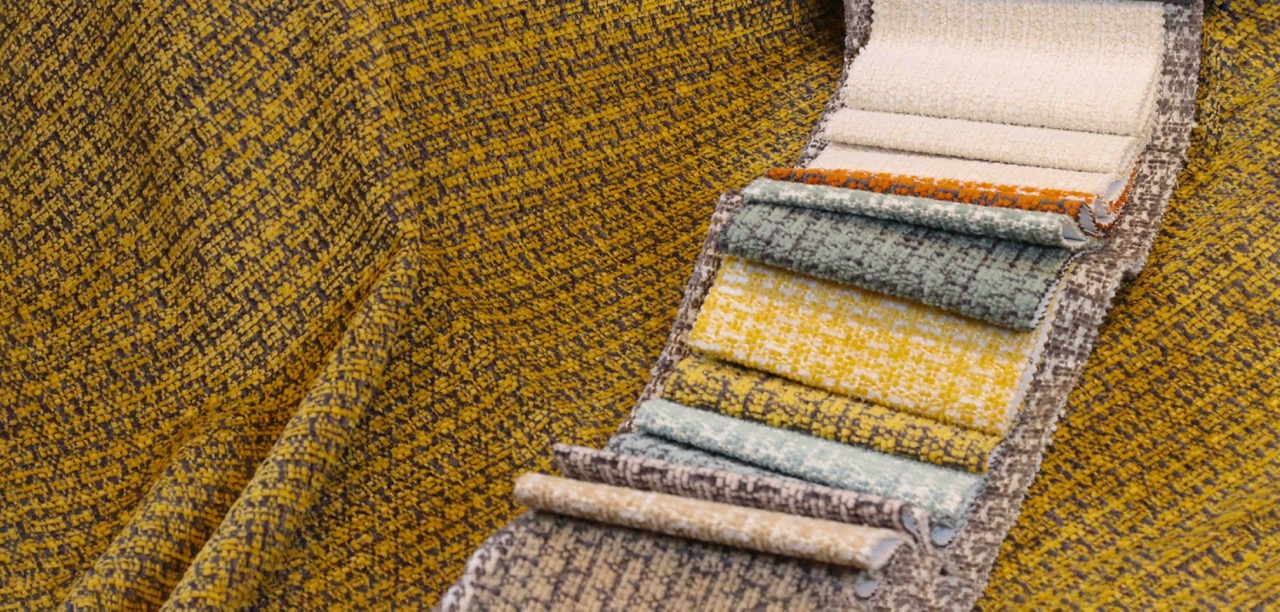
Choosing a sofa fabric is only one part of creating a balanced living space. The surrounding elements, such as curtains, rugs, and cushions, influence how the entire room feels.
A sofa can look completely different depending on the textures and colors around it. A neutral fabric may feel warm and inviting with the right rug and cushions, while the wrong combination can make the room feel disconnected.
The goal is not to make every piece identical. A well-designed room usually combines different shades, patterns, and materials while keeping a sense of harmony.
Understanding how fabrics interact helps create a comfortable space that feels intentional rather than randomly decorated.
Start With the Sofa as the Visual Foundation
The sofa is often one of the largest elements in a living room, which means its fabric usually becomes the starting point for the rest of the design.
Before choosing curtains or accessories, consider:
- The sofa’s main color
- The texture of the fabric
- The size of the room
- The amount of natural light
- The overall mood you want to create
A soft linen-like texture creates a different feeling from a smooth velvet surface. A darker fabric can make a room feel more intimate, while lighter tones may create a more open atmosphere.
The sofa does not need to match everything around it. Instead, other elements should support its character.
For example:
- A textured sofa can work well with simpler curtains.
- A plain sofa can gain personality through patterned cushions.
- A neutral seating area can be warmed with natural rugs and earthy tones.
The key is creating relationships between materials rather than repeating the same design everywhere.
Coordinate Colors Without Making Everything Look Identical
One of the most common decorating mistakes is trying to match every item exactly.
A room where the sofa, curtains, cushions, and rug all have the same color can feel flat. Instead, designers often create connection through related shades.
A useful approach is choosing a color relationship:
Similar tones
Using different shades from the same color family creates a calm and cohesive look.
For example:
- Beige sofa
- Cream curtains
- Warm brown rug
- Soft sand-colored cushions
Complementary contrasts
A neutral sofa can become more interesting when paired with deeper or contrasting accents.
Examples:
- Grey seating with muted green cushions
- Warm beige with terracotta details
- Dark fabric with lighter textured accessories
Accent colors
A small amount of stronger color can add character without overwhelming the room.
Cushions, throws, or decorative pieces are often easier places to introduce these changes because they can be updated more easily.
Balance Texture Between Sofa, Curtains, and Rugs
Color is only one part of coordination. Texture plays an equally important role.
A room with too many smooth surfaces may feel cold. A room with too many heavy textures may feel visually crowded.
The most comfortable interiors usually combine different materials.
Consider the relationship between:
- Sofa fabric
- Curtain material
- Rug texture
- Cushion covers
- Wooden or natural elements
For example, a soft fabric sofa may pair well with woven curtains and a textured rug. This creates depth without making the room feel busy.
A structured sofa design may benefit from softer accessories that add warmth.
Texture also affects how a room feels throughout the year. Thick fabrics can create a cozy atmosphere in cooler months, while lighter materials may feel fresher in warmer spaces.
Choose Curtains That Support the Seating Area
Curtains influence the entire room because they cover a large visual area.
The right curtain choice depends on both the sofa and the amount of light entering the room.
For small rooms
Lighter curtains can help maintain an open feeling. Heavy, dark fabrics may make the space feel smaller if the room already has limited natural light.
For large rooms
Larger spaces can handle richer textures and deeper tones. Curtains can help create a warmer, more balanced atmosphere.
For relaxed interiors
Natural-looking fabrics and soft textures often work well with comfortable seating arrangements.
The curtain does not need to match the sofa exactly. It should connect with the overall palette and support the mood of the space.
Use Rugs to Define the Seating Area
A rug does more than add decoration. It helps visually connect the furniture and define where the seating area begins.
The relationship between the rug and sofa is especially important.
A rug that is too small can make the furniture feel separated. A properly sized rug helps create a unified area.
Consider:
- The size of the seating arrangement
- How much of the sofa sits on the rug
- The walking paths around the furniture
- The texture of the rug compared with the sofa
A soft rug under relaxed seating can make the area feel more comfortable and inviting.
For low seating arrangements, floor cushions, and relaxed lounge spaces, the rug often becomes an important part of the overall composition.
We recommend that you take a look at our floor sofa collection.
Add Cushions Through Contrast and Layering
Cushions are one of the easiest ways to connect different fabrics in a room.
They can repeat colors from the curtains, introduce patterns from the rug, or add texture that balances the sofa.
A useful cushion arrangement often combines:
- Different sizes
- Multiple textures
- Coordinated colors
- A mix of plain and patterned fabrics
Avoid making every cushion identical. Small differences create a more natural appearance.
For example:
A plain fabric sofa may work well with:
- One patterned cushion
- One textured cushion
- One cushion in a complementary color
This creates interest while keeping the room organized.
We recommend that you take a look at our seat cushion category.
Consider Interior Style Before Mixing Fabrics
Different design styles use fabric combinations in different ways.
Modern interiors
Modern spaces often benefit from simple combinations:
- Neutral sofa fabrics
- Clean curtain lines
- Minimal patterns
- Controlled color accents
Traditional interiors
Traditional rooms may use:
- Richer textures
- Layered fabrics
- Decorative cushions
- Warm color palettes
Oriental or majlis-inspired interiors
These spaces often rely on comfort, texture, and generous layering.
Soft seating elements, patterned textiles, and carefully combined fabrics can create a welcoming environment. We recommend that you take a look at our collection of oriental or majlis-inspired seating
The important part is maintaining balance. Too many competing patterns can reduce the calm feeling that these interiors are meant to create.
Common Fabric Coordination Mistakes
Even small design choices can affect the overall feeling of a room.
Matching everything too closely
Exact matching can make the space feel less natural. Variation creates depth.
Ignoring lighting conditions
A fabric color can look very different depending on sunlight and artificial lighting.
Always consider how materials appear during different times of the day.
Mixing too many patterns
Patterns can add personality, but several strong patterns competing together may create visual noise.
A good approach is choosing one dominant pattern and keeping the others simpler.
Choosing fabrics only based on appearance
A fabric should also fit the way the room is used.
A family living room may require easier maintenance, while a guest room may allow more delicate materials.
Think About Practicality Alongside Design
A beautiful room should also work for everyday life.
Before finalizing a fabric combination, consider:
- How often the sofa is used
- Whether children or pets use the space
- How easy materials are to clean
- Whether cushions need regular adjustment
- How the fabrics feel when touched
Comfort is created through both visual and physical experiences.
A room should not only look balanced from a distance. It should feel comfortable when people sit, relax, and spend time there.
Creating a Connected and Comfortable Interior
Coordinating sofa fabric with curtains, rugs, and cushions is about creating relationships between different elements.
The sofa provides the foundation, while textiles and accessories add layers of texture, color, and personality.
A successful interior does not require every piece to match. It requires thoughtful connections between materials, proportions, and colors.
By considering how fabrics interact and how the room is actually used, you can create a seating area that feels warm, balanced, and naturally inviting.