Floor Sofas

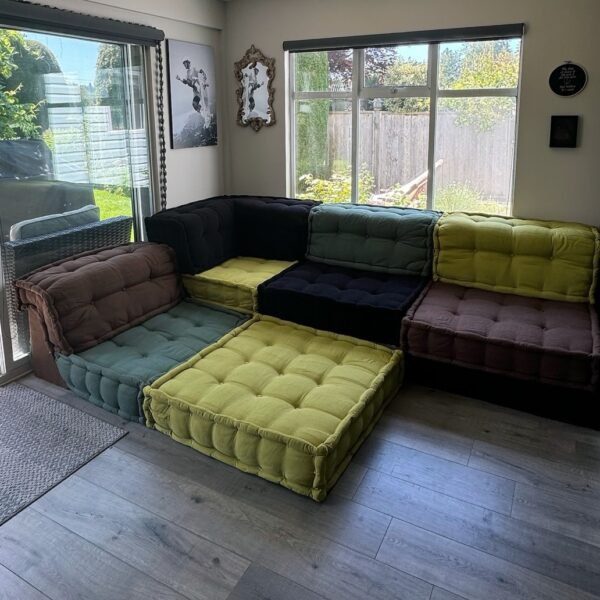
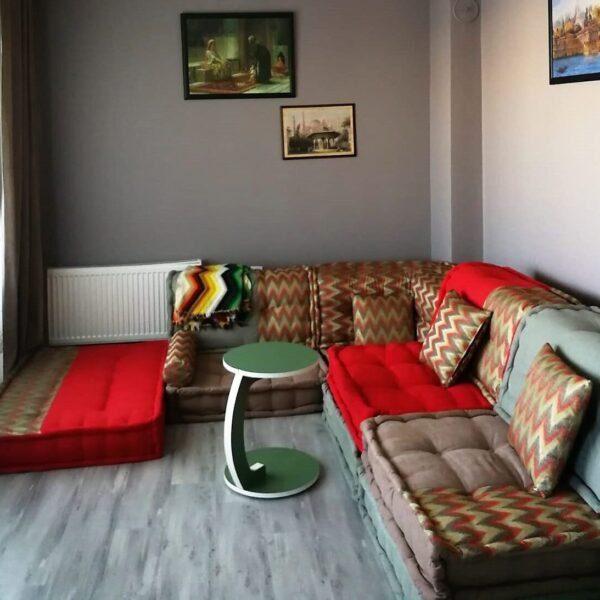
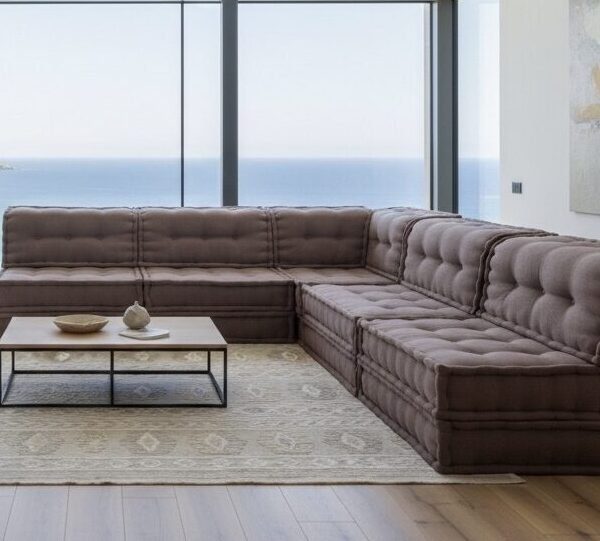
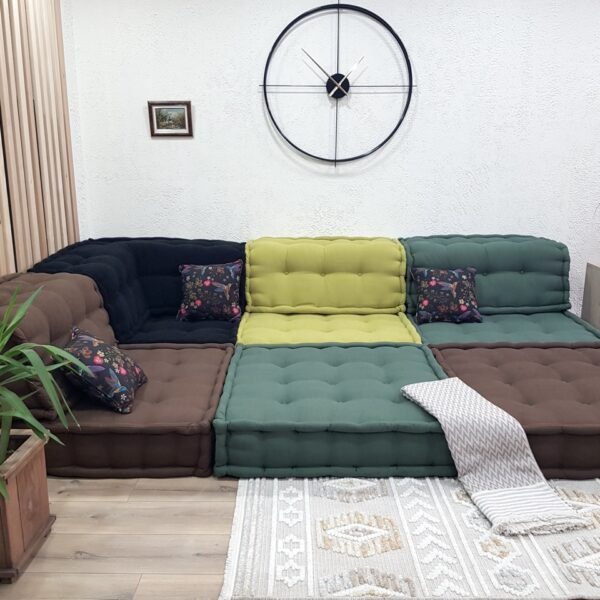
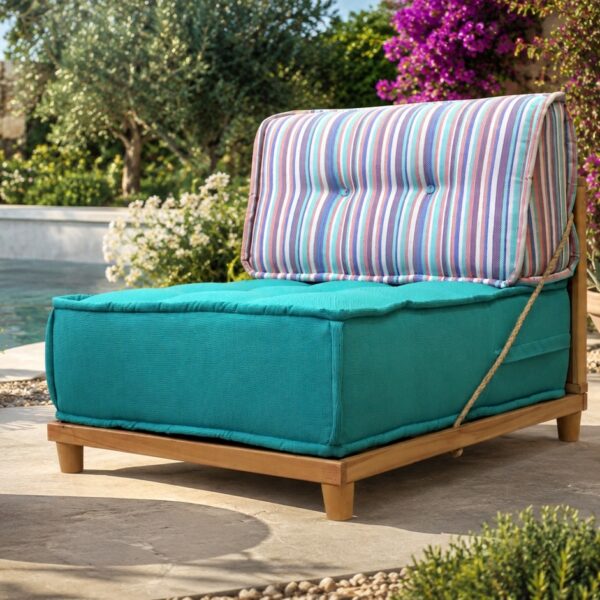
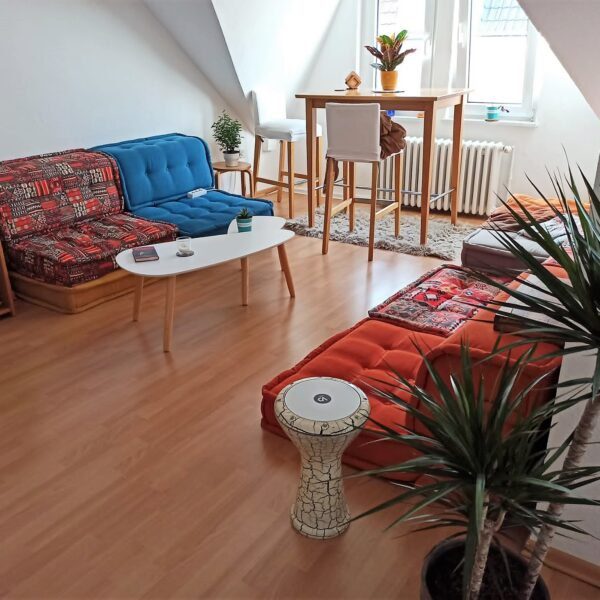
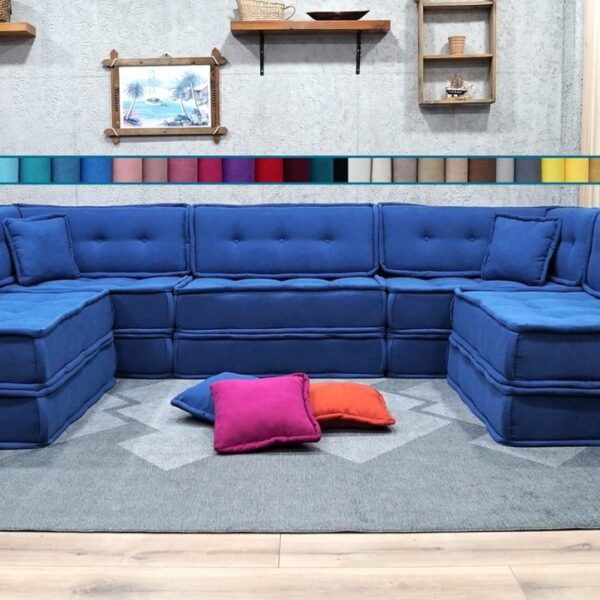
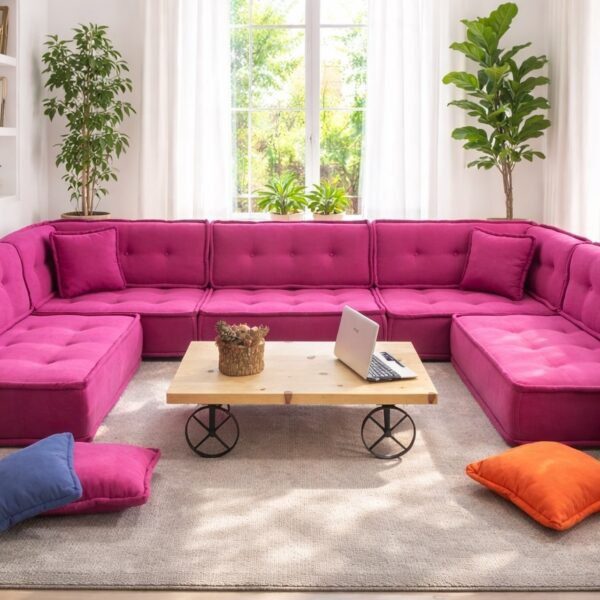
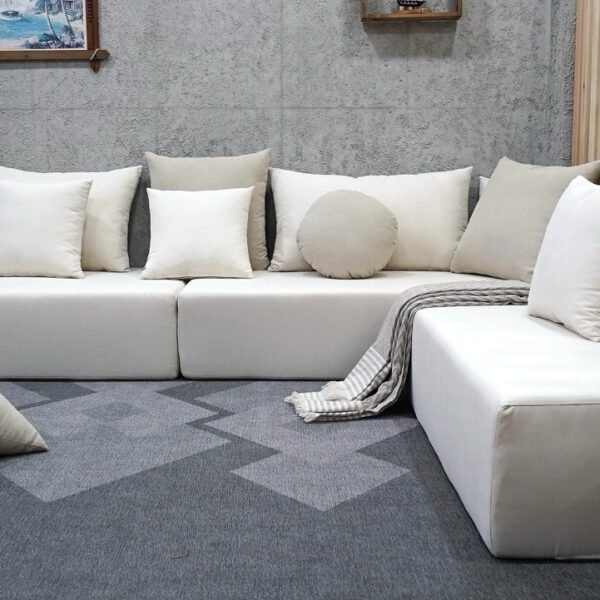
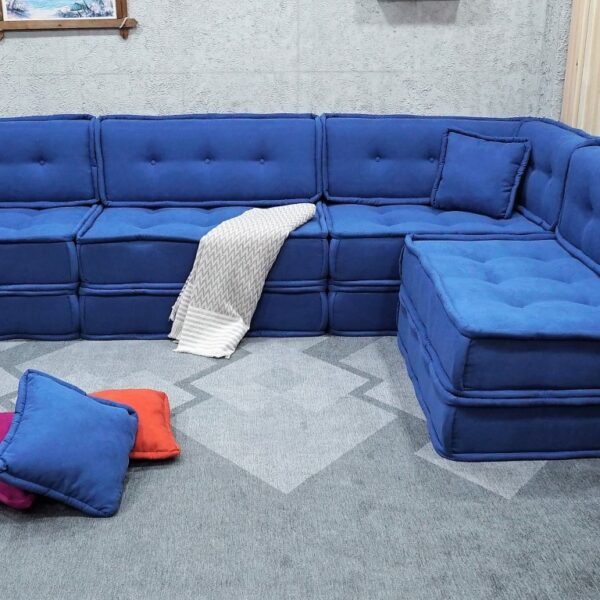
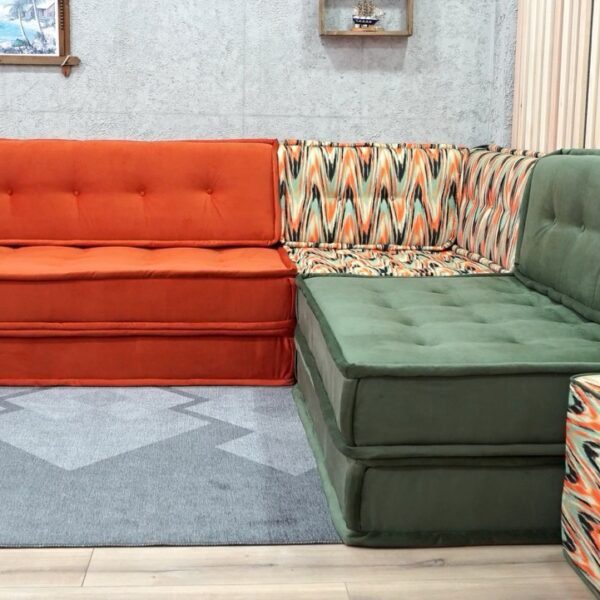
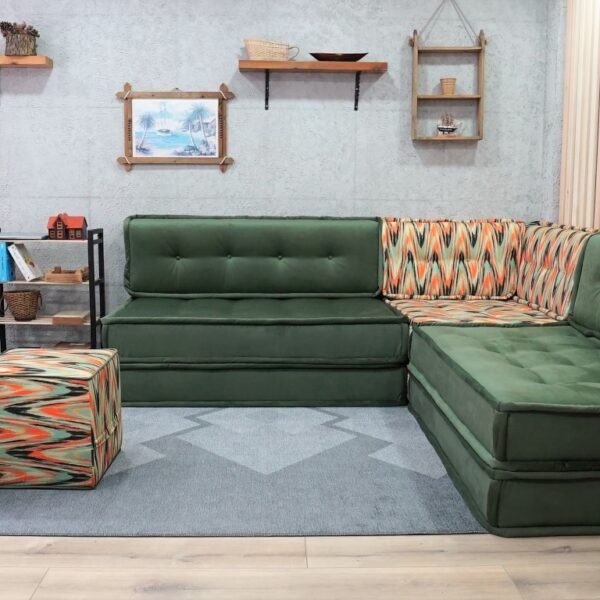
Modular floor sofas bring together the relaxed feel of low seating and the practical freedom of a flexible layout. This category includes floor-level seating designs made up of separate sections or configurable pieces, allowing you to shape a setup that suits your room, routine, and style. For homes that favor comfort, softness, and an informal way of living, modular options offer a more adaptable approach than fixed-format seating.
What defines modular floor sofas
A modular floor sofa is designed around individual sections that can be arranged in different ways rather than staying in one fixed configuration. That flexibility is what makes the category distinct. Instead of choosing a single shape and committing to it, you can create a seating area that feels more tailored to the room itself.
Some layouts are made from simple armless units placed side by side, while others include corner sections, back cushions, or movable support pieces that make the arrangement feel more enclosed. The low profile creates an open, grounded look, but the modular structure adds versatility that suits modern living particularly well.
This makes the category especially relevant for spaces that need to shift over time. A living room used for daily lounging may need a different arrangement when guests visit. A reading corner may start small and expand later. An open-plan room may benefit from a layout that can define a zone without making the whole space feel crowded. Modular floor sofas are well suited to these kinds of settings because they allow the seating plan to evolve with the room.
The visual character is different from a conventional sofa as well. These pieces tend to feel softer, more relaxed, and less formal. In interiors that lean toward warm minimalism, layered comfort, or majlis-inspired living, that lower, more adaptable structure can feel especially at home.
Comfort, support, and everyday usability
The appeal of modular floor seating is not only aesthetic. It also changes the way a room feels to use. The lower height encourages a more casual posture and creates a lounge-like atmosphere that works well in spaces designed for gathering, unwinding, or stretching out over longer periods.
That said, comfort in this category depends on more than softness alone. Buyers often notice a few practical differences between one design and another:
- seat depth and how much room there is to recline or curl up
- firmness of the base and whether it feels supportive over time
- the height and shape of back cushions
- whether sections stay visually neat when used daily
- how easily individual modules can be moved or adjusted
Some people prefer a deeply relaxed setup with generous cushioning and a sink-in feel, while others want a cleaner structure that still feels supportive for reading, conversation, or regular family use. A modular design can work for both, but the right choice depends on how the space will actually be used.
In busy homes, flexibility often matters as much as comfort. Separate modules can make it easier to rework the layout, move pieces for cleaning, or adapt the room when more seating is needed. That makes this category appealing for multifunctional interiors where the living area needs to feel welcoming without becoming rigid.
For smaller homes, modular floor sofas can also offer a practical visual advantage. Because the seating stays close to the floor, the room often feels more open than it would with bulkier, taller furniture. At the same time, the sectional nature of the design helps the seating area feel intentional rather than sparse.
Materials, proportions, and room fit
The right modular floor sofa should feel aligned with the room in both scale and finish. Since these pieces sit low and often have broad horizontal lines, proportions matter a great deal. A setup that is too small can look lost, while one that is too deep or overbuilt may dominate the floor area more than expected.
Room size is part of that equation, but so is layout. In compact living rooms, a modest arrangement with a few well-sized modules can create a cozy, grounded seating zone without blocking the flow of the room. In larger spaces, wider combinations or layered configurations often work better, especially if the goal is to make the seating area feel substantial enough to anchor the space.
Materials also shape how the category feels in real life. Upholstery with visible texture often suits low seating particularly well because it adds warmth and depth to the lower silhouette. Woven fabrics, brushed finishes, and soft-touch materials can all reinforce the relaxed character of the design. Smoother finishes may create a more refined, contemporary look, especially in interiors that lean cleaner and more architectural.
The surrounding palette matters too. Because modular floor sofas tend to create a horizontal visual line, they pair well with rugs, low tables, layered textiles, and other elements that help the room feel grounded. Homes with a softer, more casual style may favor fuller cushions and warmer fabrics, while more structured interiors may benefit from cleaner forms and a tighter, more edited composition.
Sofasia’s approach to low seating naturally fits interiors where comfort, texture, and flexibility matter just as much as appearance. In that setting, modular designs feel less like a compromise and more like a deliberate way of shaping the room around real use.
How to choose the right option in this category
Choosing between modular floor sofas usually comes down to how much flexibility you need, how you like to sit, and how the seating needs to function within the room. It helps to think beyond the initial look and consider how the arrangement will perform over time.
Start with the footprint. Measure the area where the sofa will sit, but also think about circulation around it. Low seating can look generous without needing the same visual clearance as taller sofas, though the overall spread of the modules still matters. A configuration that looks balanced in a large open room may feel too expansive in a tighter living area.
Next, consider how structured or relaxed you want the seating to feel. Some modular floor sofas are better suited to informal lounging, movie nights, or casual hosting. Others feel more composed and supportive, which may be preferable in a room used for everyday sitting and conversation.
A few questions can help narrow the options:
- Do you want a layout that stays mostly fixed, or one that can be rearranged often?
- Is the room used mainly for daily family living, occasional entertaining, or quiet relaxation?
- Do you prefer a soft, layered look or a cleaner, more defined silhouette?
- Will the sofa need to work with children, guests, or changing room layouts?
It is also worth paying attention to the details that affect long-term practicality, such as how easy the upholstery is to care for, whether the modules are manageable to move, and how adaptable the overall setup will feel if your needs change later.
The strongest choices in this category tend to balance comfort with structure and flexibility with visual cohesion. A modular floor sofa should feel relaxed, but not shapeless; adaptable, but still grounded enough to give the room a clear sense of place.