Wooden Sofas

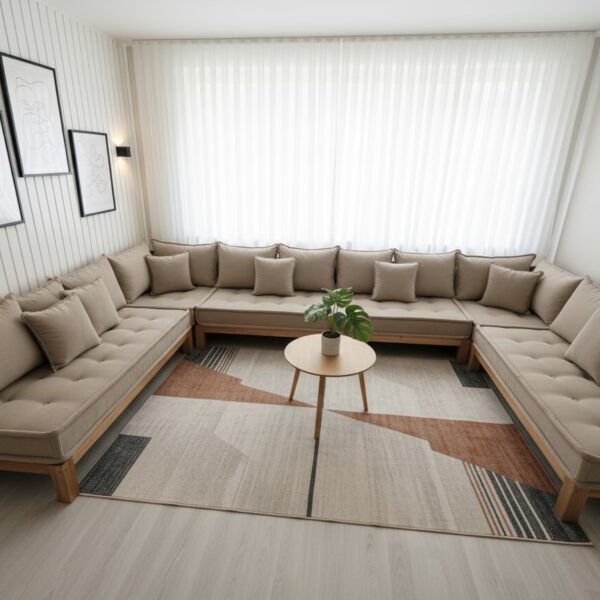
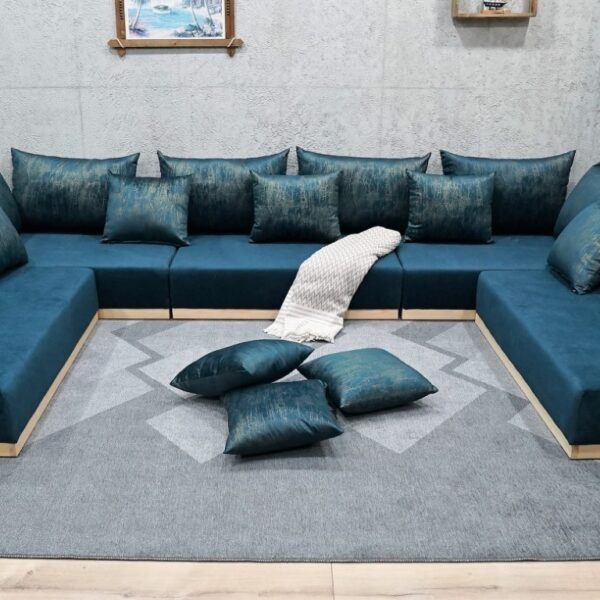
A wooden sofa brings structure, warmth, and a more grounded feel to a space, but the right choice depends heavily on where and how it will be used. This category includes wood-framed seating designed for indoor living areas, covered terraces, patios, garden lounges, and flexible transitional spaces that connect home and outdoors. For shoppers drawn to natural materials and a cleaner, more architectural silhouette, wooden sofas offer a distinct balance of visual character, durability, and practical comfort.
What defines a wooden sofa in this category
A wooden sofa is shaped as much by its frame as by its cushions. That frame is not simply a supporting structure hidden under upholstery; it is a visible part of the design, influencing the look, feel, and overall presence of the piece. In this category, that usually means seating with exposed wood arms, legs, base elements, or full structural frames, often paired with loose or fitted cushions for added comfort.
The indoor/outdoor distinction makes this category especially specific. Some wooden sofas are designed primarily for interior settings, where the focus is often on warmth, finish, and everyday lounging comfort. Others are made for outdoor use or semi-exposed spaces, where resistance to moisture, sun, and changing temperatures becomes more important. Some designs can bridge both worlds visually, but the suitability of the materials and finishes still matters.
This category tends to appeal to shoppers who want a seating option that feels lighter and more open than a fully upholstered sofa. A visible wood frame can reduce visual bulk, which is useful in smaller rooms, covered balconies, and relaxed lounge areas where airflow and openness matter. At the same time, it introduces a more tactile and natural element into the space, making it well suited to interiors that value texture, handcrafted detail, and calm, grounded styling.
Wooden sofas can lean in several directions aesthetically. Some feel crisp and modern with cleaner lines and a more restrained profile. Others feel softer and more traditional, especially when paired with fuller cushions, warmer wood tones, or a more handcrafted finish. That range makes the category relevant across living rooms, sunrooms, covered patios, garden seating zones, and multipurpose spaces where comfort and natural materials need to work together.
Comfort, support, and everyday use
Comfort in a wooden sofa depends on a different set of factors than in heavily upholstered seating. Because the frame is more exposed, the cushions do more of the work in shaping how the sofa feels. Seat depth, back angle, cushion thickness, and arm height all have a stronger effect on everyday usability, especially for people who plan to use the sofa regularly rather than occasionally.
For indoor use, many shoppers look for a balance between support and softness. A wood frame can feel visually crisp, so the cushions often need enough depth and padding to make the seating feel welcoming rather than rigid. This matters particularly in living rooms, reading corners, and lounge areas where people expect to sit for longer stretches. A shallower seat may suit more upright sitting, while deeper cushions tend to create a more relaxed, low-pressure posture.
Outdoor or semi-outdoor use introduces a different comfort equation. Cushions still matter, but practical considerations become more visible. Seat pads may need to be easier to move, quicker to dry, or simpler to maintain. In covered terraces and garden lounges, the sofa should still feel inviting, but the setup often works best when it balances comfort with resilience and ease of care.
A few comfort-related details are especially useful to consider:
- the depth of the seat and how relaxed the sitting position feels
- the firmness of the cushions for upright support or lounging
- the angle of the backrest
- the width of the arms if the sofa is used for longer periods
- whether the overall frame feels open and airy or more enclosed
This category often suits people who appreciate seating that feels substantial without appearing heavy. In family homes, a wooden sofa can help define a living area while still feeling visually lighter than bulkier upholstered alternatives. In guest spaces or covered outdoor areas, it can offer a more composed, architectural look with enough softness to remain comfortable in practice.
Materials, finishes, and durability considerations
The type of wood and the finish applied to it make a meaningful difference in both appearance and long-term performance. Indoors, shoppers often focus on color tone, grain, and how the frame works with flooring, rugs, and surrounding furniture. Outdoors, the practical demands increase, and durability becomes a more central consideration.
For indoor wooden sofas, the finish often shapes the atmosphere of the room. Lighter wood tones can make a seating area feel calmer and more open, while medium and darker tones introduce more definition and visual weight. Smooth finishes often suit contemporary spaces, whereas more expressive grain and warmer hues can feel at home in layered, relaxed interiors with a handcrafted character.
For outdoor or indoor/outdoor use, the conversation shifts toward durability. A wood-framed sofa placed in a covered patio or open-air setting should be chosen with exposure in mind. Moisture, direct sunlight, and temperature changes affect how wood ages, how finishes wear, and how much maintenance may be needed over time. Some buyers prefer a more weathered, natural look as the material develops character, while others want a finish that keeps the sofa looking more consistent and refined.
Cushion fabric also plays a major role here. For indoor pieces, softness and visual texture may take priority. For outdoor use, the upholstery needs to support easier upkeep and better performance in less controlled conditions. The right combination of wood finish and cushion material helps the sofa feel coherent as a whole rather than split between a strong frame and an impractical seating surface.
This category is especially relevant for interiors and outdoor spaces where material contrast matters. Wood introduces solidity and visual structure, while cushions soften the overall impression. That balance is one of the main reasons these sofas work so well in homes that combine natural textures, low seating, warm neutrals, and a more relaxed approach to styling.
Choosing the right wooden sofa for your space
The best choice usually depends on three things: where the sofa will be placed, how often it will be used, and what kind of visual presence you want it to have in the room or outdoor setting. A wooden sofa that works beautifully in a quiet indoor lounge may not be the right fit for a heavily used terrace, and a highly durable outdoor model may feel too firm or too restrained for a softer living room layout.
Start with the setting. For indoor spaces, think about how the wood tone works with the rest of the room and whether the cushion depth supports the kind of comfort you want. In smaller living rooms or reading corners, a more open frame can help the seating feel lighter and less intrusive. In larger rooms, a broader silhouette or fuller cushions may help the sofa hold its place more confidently.
For outdoor use, placement matters just as much as design. A sofa in a fully covered space has different needs from one that will face regular exposure. It is worth considering not just how the frame looks on day one, but how much maintenance feels realistic over time. That includes both the wood and the cushions.
It also helps to think about the overall mood of the space:
- cleaner lines and slimmer frames tend to suit modern, minimal interiors
- warmer wood tones and fuller cushions often work well in relaxed, layered rooms
- more open designs can feel lighter in smaller spaces
- sturdier silhouettes may suit larger patios, family lounges, or everyday-use rooms
For shoppers furnishing transition spaces such as sunrooms, covered terraces, or indoor-outdoor lounge areas, a wooden sofa often makes particular sense because it visually connects natural materials, fresh air, and softer home comfort. Sofasia’s design language around grounded seating, texture, and relaxed living fits naturally with this kind of category, where the frame matters just as much as the atmosphere it helps create.
A strong choice in this category should feel comfortable in proportion, appropriate to the environment, and visually in tune with the rest of the space. The right wooden sofa does not rely on bulk to make an impression. Instead, it brings clarity, warmth, and usable comfort through thoughtful materials and a more open form.