Pouf Chairs

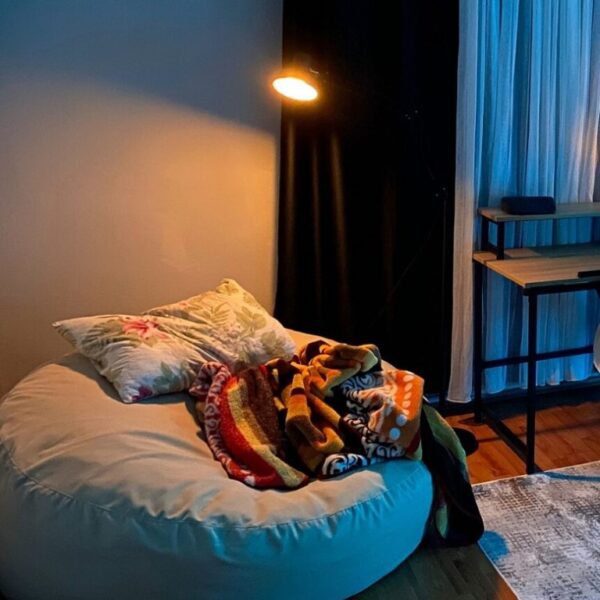
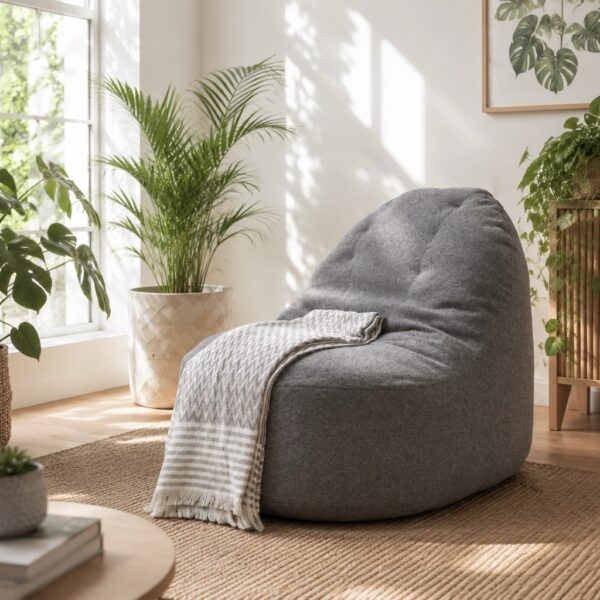
A pouf chair adds comfort in a lighter, more flexible form than a traditional armchair. This category includes soft, low-profile seating designed for living rooms, reading corners, bedrooms, lounges, and layered floor-level interiors where comfort and adaptability matter. For homes that favour warmth, texture, and an easygoing atmosphere, pouf chairs can bring extra seating without making the room feel crowded or overly structured.
A pouf chair sits in a space between an accent seat and a more casual lounge piece. It is softer and often more compact than a conventional chair, yet it offers more presence and support than a simple floor cushion or footstool. That combination is what makes the category so useful. A pouf chair can work as a standalone seat, a secondary perch in a larger seating arrangement, or a flexible piece that moves easily between rooms.
Unlike rigid seating, pouf chairs often create a softer outline in the room. Their rounded or gently structured forms help reduce visual heaviness, which is especially useful in spaces that already rely on texture, layered textiles, and lower furniture profiles. In interiors that aim to feel inviting rather than formal, that softer shape can make a noticeable difference.
This category also appeals to shoppers who want seating that feels adaptable. A pouf chair can support occasional guests, provide a more relaxed reading seat, or complete a lounge arrangement without requiring the floor space of a full armchair. That makes it particularly relevant in apartments, multipurpose rooms, family spaces, and corners that need a little more function without becoming over-furnished.
Some designs lean more upright and chair-like, while others feel looser and more enveloping. That variation is important, because the best choice often depends on whether the pouf is intended for short everyday use, longer lounging, or decorative flexibility within the room.
Comfort, support, and how the chair will actually be used
Comfort in a pouf chair depends on shape, fill, and proportion. Since these pieces tend to have a softer construction, the difference between decorative seating and genuinely usable seating often comes down to support. A pouf that looks inviting but lacks enough structure may work as an occasional accent, though it may not suit longer sitting. A more supportive version can become part of daily life in a living room, reading nook, or informal lounge area.
Seat height matters more than it first appears. If a pouf chair sits very low, it may feel wonderfully relaxed in a casual interior, but less practical for people who prefer easier sit-down and stand-up movement. A slightly more elevated design may feel more versatile, especially in shared households or rooms used by guests of different ages.
The fill also shapes the experience. Softer fills can create a laid-back, sink-in feel, while firmer interiors often provide better stability and help the chair hold its form more consistently over time. The right balance depends on how the piece will be used.
A few practical questions can help narrow the choice:
- Will the chair be used daily or only from time to time?
- Is the goal a more relaxed lounging seat or a supportive extra chair?
- Does the room need a compact accent or something with more visual presence?
- Will the pouf chair be moved around often?
For homes built around low seating, pouf chairs are especially useful because they extend the same relaxed language without making the room feel repetitive. They can soften the edges of a seating arrangement, make conversation areas feel more complete, and add flexibility when the main sofa layout is not enough on its own.
Materials, texture, and room compatibility
Because pouf chairs are often chosen for their visual softness as much as their function, upholstery makes a major difference. Texture is not just a finishing detail in this category; it is often part of the chair’s appeal. A woven fabric, brushed finish, or tactile cover can make the seat feel warmer and more integrated into the room, especially in interiors that rely on rugs, cushions, wood, and layered neutral tones.
The material also affects how casual or refined the chair feels. A looser, more textured finish tends to suit relaxed lounges, reading corners, and family spaces. A cleaner fabric with a more defined silhouette may work better in interiors that still want softness but with a more composed look. The choice depends partly on style, but also on how the chair will live within the room.
Durability deserves attention too. A pouf chair often ends up being moved, shifted, or used in different ways over time, so upholstery should be practical as well as attractive. In busy households, the ability to handle regular use gracefully matters more than a delicate finish that only looks good when untouched.
Scale plays a role here as well. In a small room, a pouf chair can add comfort without the visual weight of a full occasional chair. In a larger room, it may work best when paired with other low seating elements so it feels part of a wider arrangement rather than isolated. The most successful pieces usually feel intentional in both size and texture.
This category fits naturally into interiors that value relaxed living and a sense of softness. Pouf chairs work particularly well with low-profile sofas, layered seating corners, and spaces where comfort is expressed through tactile materials rather than bulky furniture.
How to choose the right pouf chair for your space
The best pouf chair is usually the one that matches both the room and the role it needs to play. If it is mainly there to provide flexible extra seating, portability and moderate support may matter most. If it will function as a regular seat for reading, relaxing, or daily use, a more structured shape and better back support become more important.
Start by looking at the space around it. In tighter rooms, a compact pouf chair can make sense because it softens the layout without interrupting movement. In larger living rooms or lounge areas, slightly fuller designs often work better because they hold their own visually and contribute more clearly to the seating arrangement.
It also helps to think about the atmosphere you want:
- Softer, rounded forms often suit casual, cozy interiors
- More defined shapes can work well in cleaner, modern spaces
- Textured upholstery adds warmth in layered rooms
- Simpler finishes can help the chair blend into quieter palettes
The chair’s relationship to the rest of the seating matters too. A pouf chair can complement a sofa, balance a corner, or create a more flexible alternative to fixed seating. In homes where people like to rearrange furniture or adapt rooms for guests, that flexibility becomes part of the appeal.
Sofasia’s design sensibility around grounded comfort and inviting interiors fits this category naturally. A good pouf chair does not need to dominate the room to be useful. It supports the way a space feels and functions by adding softness, adaptability, and a more relaxed kind of comfort.
For many homes, that is exactly the value of this category. It offers seating that is lighter in form, easy to place, and capable of making a room feel more complete without becoming too formal or too full.