Oriental Sofas

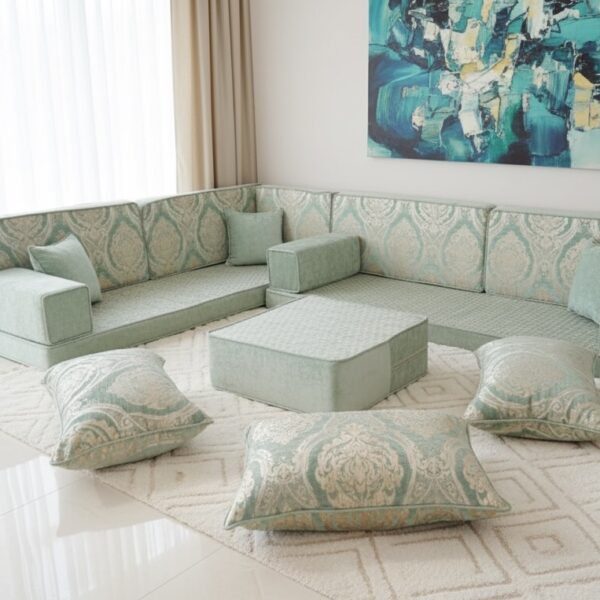
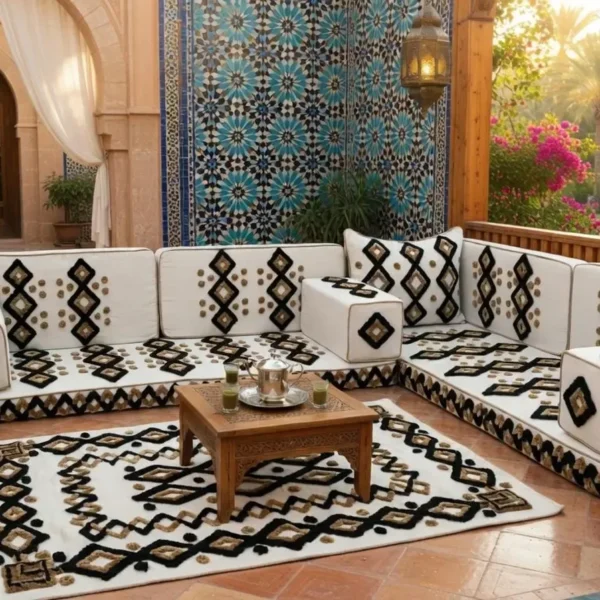
An oriental sofa brings a room a different kind of presence than standard Western seating. The profile is often lower, the atmosphere more layered, and the overall effect warmer and more grounded. This category includes seating inspired by traditional majlis and oriental interiors, where comfort, hospitality, and visual richness all play an important role. For homes that favour inviting layouts, textured fabrics, and a more relaxed way of sitting, oriental sofas offer both character and everyday usability.
What defines an oriental sofa
An oriental sofa is shaped as much by its mood as by its construction. It usually sits lower than a conventional sofa, with a broader, more grounded profile and an emphasis on layered comfort rather than height or formality. In many interiors, this type of seating is associated with majlis-style arrangements, floor-adjacent lounging, supportive back cushions, and a room layout designed around gathering.
That distinction matters because people searching for this category are often looking for more than a sofa in a particular colour or fabric. They are usually drawn to a specific way of living in a space. An oriental sofa tends to support a room that feels welcoming, settled, and designed for conversation, longer sitting, and a stronger sense of enclosure.
Visually, these pieces often work through depth and softness. That may come from generous seat cushions, layered back supports, richer upholstery, or a silhouette that feels horizontal rather than upright. Some designs lean more traditional, with decorative detailing and a fuller presence. Others reinterpret the same spirit in a simpler, more contemporary way. Both belong within the category, provided they retain that grounded, warm, and hospitality-led character.
This style of seating also fits naturally into rooms where the furniture is meant to shape the atmosphere rather than simply fill a functional gap. It suits lounges, family sitting rooms, reading spaces, guest areas, and interiors where texture and comfort are expected to carry as much weight as structure.
Comfort, seating style, and how the room is used
Comfort is central to this category, but it is not the same kind of comfort found in every modern sofa. Oriental sofas often support a more relaxed posture, with lower seating heights and a stronger relationship to cushions, rugs, and the wider room arrangement. That makes them especially appealing for people who want a space that encourages lingering rather than quick, upright sitting.
The way the sofa is used should guide the choice. In a formal sitting room or majlis-inspired lounge, a broader low-profile design with supportive back cushions may be the right fit. In a more compact living room, a cleaner version with a slightly lighter visual footprint may work better. The category is flexible, but the seating style still needs to suit the pace of the household.
A few comfort-related considerations often matter here:
- seat depth and whether it supports upright sitting or more relaxed lounging
- cushion firmness and how much structure the sofa retains with regular use
- back support, especially in lower seating arrangements
- the relationship between the sofa and surrounding soft furnishings such as rugs and floor cushions
- whether the room is used mainly for family living, guests, or quieter occasional use
This category is particularly well suited to homes where seating is part of a broader layered environment. The sofa often works best not as an isolated piece, but as part of a composition that may include floor cushions, low tables, textured textiles, and other soft elements that reinforce the same grounded feel.
For people who enjoy a room that feels calm but substantial, this style of seating can be a strong alternative to taller, more rigid sofas. It creates comfort through depth, softness, and visual warmth rather than through bulk alone.
Materials, texture, and visual character
Material choice has an unusually strong impact in this category because texture is often part of what gives the sofa its identity. An oriental sofa rarely relies only on shape. Upholstery, cushion fullness, woven detail, and tonal warmth all help create the sense of richness that makes this type of seating feel inviting.
Textured fabrics generally work especially well here. Woven upholstery, brushed finishes, and materials with a tactile surface can support the layered look that many shoppers want from this category. Smoother fabrics may still work, particularly in more modern interpretations, but the overall effect tends to feel more complete when there is enough softness and surface depth to balance the low profile.
Colour and pattern can also influence how traditional or contemporary the sofa feels. Richer tones and more decorative textiles often lean closer to classic majlis-inspired interiors. Softer neutrals and simpler finishes create a quieter version of the same mood, which may suit modern homes that still want warmth without a heavily ornamental look.
The visual character of the sofa should also connect with the room around it. In interiors with natural rugs, wood, ceramics, and layered lighting, an oriental sofa can feel especially at home. In cleaner spaces, it often works best when the upholstery and form are slightly more restrained so the sofa complements the room instead of overpowering it.
This is one of the reasons the category appeals to design-conscious shoppers. It allows for a more expressive, grounded seating style while still adapting to different interior directions, from traditional rooms to more edited contemporary spaces.
How to choose the right oriental sofa for your space
The right choice usually depends on how much presence you want the sofa to have and how low, layered, or relaxed you want the seating arrangement to feel. Some rooms benefit from a substantial sofa that becomes the focal point of the space. Others need a slightly lighter interpretation that keeps the room open while still introducing the same warmth and depth.
Start with scale. Oriental sofas often have a broader visual footprint than standard sofas because the shape is more horizontal and the cushions may be fuller. In a small room, this can feel cozy and grounded if the proportions are right, but oversized seating can make the space feel crowded quickly. In larger rooms, a more generous profile often works well because it helps the seating area feel anchored and intentional.
Next, think about the overall room style. If the space already includes layered textiles, low tables, and warm tones, a richer or more traditional sofa may sit naturally within it. If the room is simpler or more modern, a cleaner silhouette with fewer decorative elements may be the better direction.
It also helps to consider how the sofa will be supported by the rest of the layout:
- in lounge-style rooms, deeper seating and layered cushions often feel right
- in family living spaces, comfort and ease of use usually matter more than ornament
- in guest or reception rooms, visual presence may play a larger role
- in compact interiors, keeping some visual lightness around the sofa can help balance the lower profile
Sofasia’s design world around relaxed living, warmth, and grounded interiors aligns naturally with this category. An oriental sofa is often chosen not just for its function, but for the atmosphere it helps create. The strongest options tend to feel generous without being heavy, characterful without becoming overly ornate, and comfortable enough to support real daily use.
For many homes, that is the appeal. This category offers seating that feels rooted, inviting, and visually rich, with a style that encourages the room to feel gathered rather than simply arranged.