Fabrics


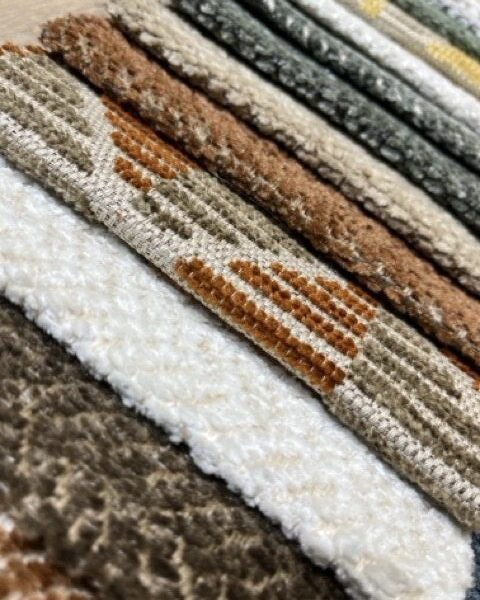
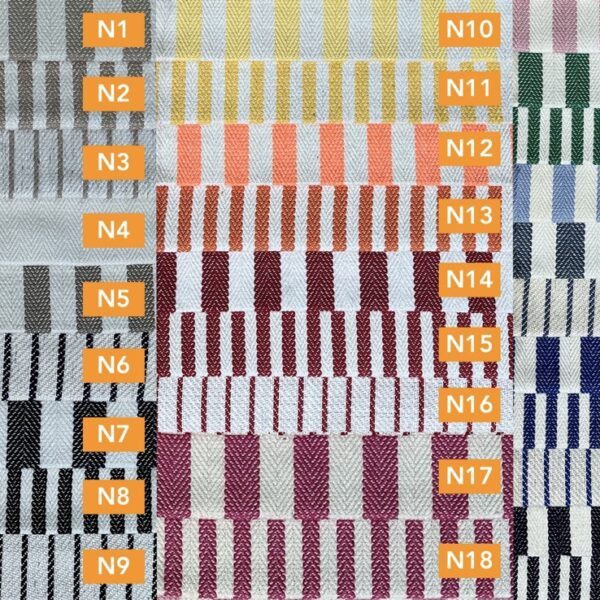
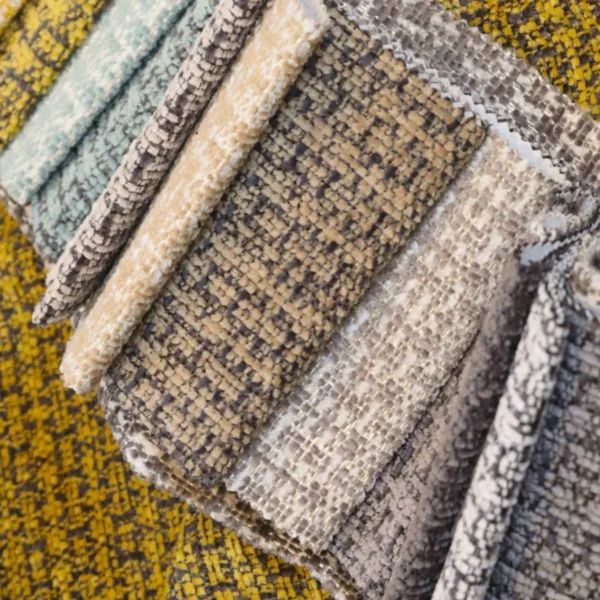
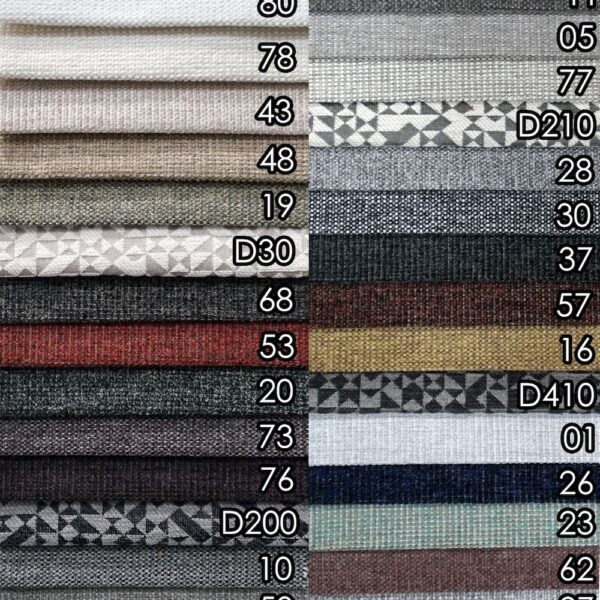

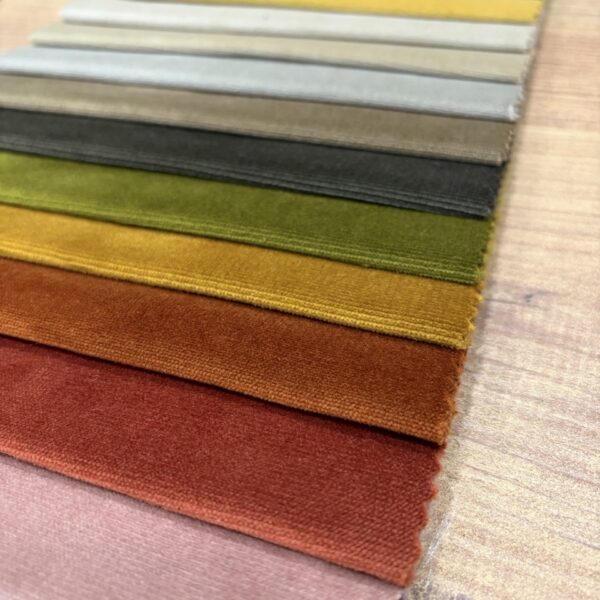
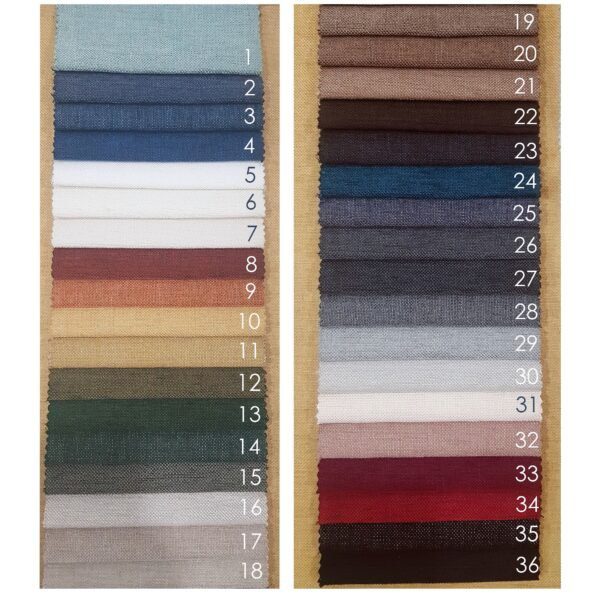
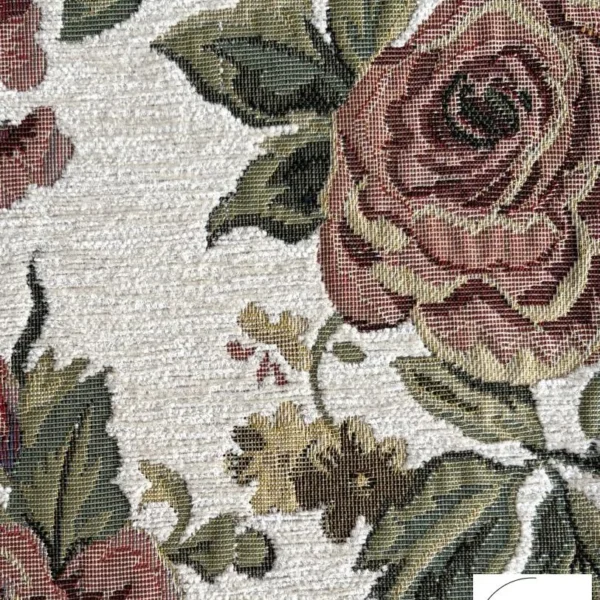
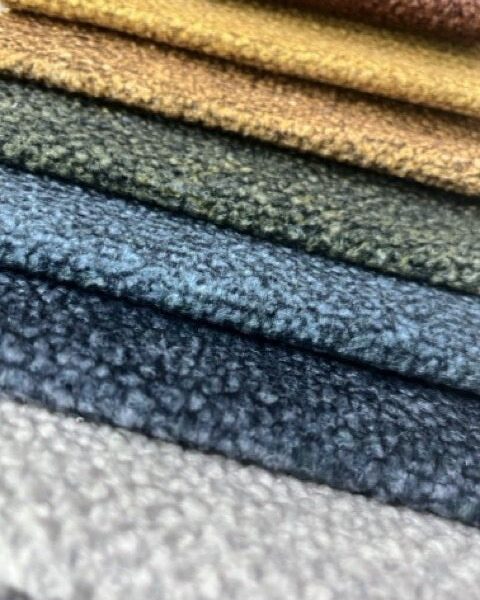
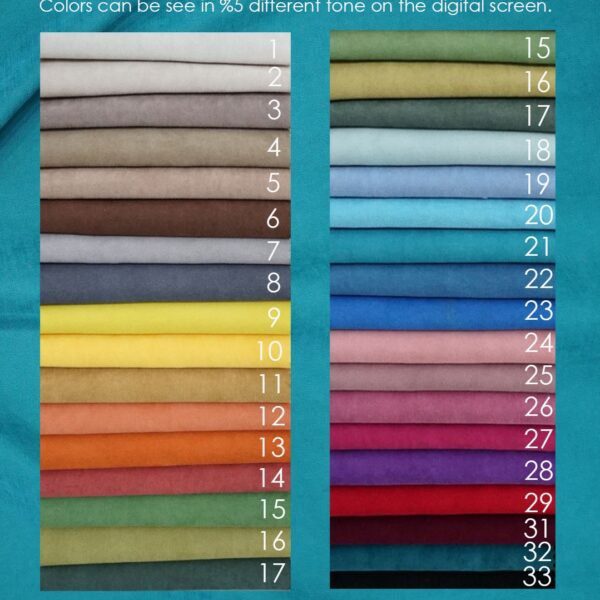
Fabric shapes the feel of a seating piece as much as its silhouette or structure. In this category, fabrics are not simply surface finishes; they influence comfort, texture, durability, and the overall mood of a room. For homes built around relaxed seating, layered interiors, and tactile warmth, the right upholstery fabric helps a sofa, cushion, or pouf feel more inviting and more in tune with everyday living.
What this fabric category includes
A fabric category typically brings together upholstery options used across sofas, seat cushions, pouf chairs, floor seating, and related soft furnishings. The focus is not only on colour, but on how a material behaves in real use. Texture, weight, weave, softness, and resilience all affect how the finished piece looks and performs over time.
Some fabrics create a cleaner, more tailored appearance with a smoother surface and a more defined line. Others add softness and depth through visible weave, brushed texture, or a more relaxed finish. That distinction matters because the fabric often sets the tone before any other detail is noticed. A low seating arrangement upholstered in a textured woven fabric feels different from the same design covered in a flatter, more structured material.
This category is especially relevant for shoppers choosing furniture with a strong tactile presence. In Sofasia’s world of floor seating, layered lounges, and warm interiors, fabric is often central to the atmosphere of the room. It helps determine whether a piece feels casual or refined, understated or expressive, soft and enveloping or more architectural in character.
Because fabrics are so closely tied to both design and practicality, this category naturally suits buyers who want to understand how material choice affects the final result rather than treating upholstery as a secondary detail.
Texture, comfort, and visual character
The most noticeable difference between upholstery fabrics is often texture. Some materials feel dry and structured, while others feel soft, brushed, or richly woven. That surface quality changes not only how a piece feels to sit on, but also how it sits visually within the room.
Textured fabrics tend to add warmth quickly. They work particularly well in interiors that rely on natural materials, layered textiles, rugs, and low-profile seating because they help prevent the room from feeling flat. A visible weave, for example, can make a simple sofa or cushion look fuller and more grounded without relying on heavy ornament or strong contrast.
Smoother fabrics usually create a more restrained effect. They can feel calmer and more tailored, especially in interiors with cleaner lines or a more minimal palette. In some cases, that is exactly the right choice. In others, it can make soft seating feel visually colder than intended if there is not enough texture elsewhere in the room.
Comfort is part of this as well. Upholstery comes into contact with the body every day, so touch matters. A fabric may look refined but feel less inviting for long sitting, while another may bring an immediate sense of softness that suits relaxed lounging much better. For seating categories such as floor sofas, seat cushions, and pouf chairs, that tactile quality often carries more importance than it would in purely decorative furniture.
The visual character of the material also affects styling compatibility. Richer textures often suit layered, grounded interiors with a handcrafted feel. Cleaner fabrics may work better in modern spaces where the furniture shape is meant to do more of the visual work. The best choice depends on how the material relates to the room as a whole, not just to the furniture piece on its own.
Durability, maintenance, and everyday practicality
A good upholstery fabric needs to do more than look appealing in a showroom image. It should also make sense for the way the furniture will be used. A family lounge, a reading corner, a guest room, and a formal sitting space all place different demands on upholstery, even if the furniture style is similar.
Durability often comes down to how the fabric responds to repeated use. More resilient weaves may hold their shape and appearance better in high-traffic areas, while softer or more delicate finishes may be better suited to lower-use spaces where touch and visual softness are the main priorities. This does not mean one is better than the other; it means the right choice depends on the setting.
Maintenance should be considered early, especially for homes with children, pets, or frequent daily use. Some fabrics are more forgiving of regular life, while others may need a bit more care to maintain their appearance. Texture plays a role here too. A richly woven surface can sometimes disguise minor signs of use more gracefully than a very flat or uniform finish, though it may also hold onto dust differently depending on the weave.
A few practical considerations often help narrow the right fabric choice:
- how often the seat will be used
- whether the room is formal, casual, or multipurpose
- how important easy upkeep is in daily life
- whether softness or structure matters more
- how the fabric will work with light, rugs, wood, and surrounding textiles
For low seating and layered lounge interiors, durability and comfort often need to work together. A fabric should still feel soft and warm, but it also needs enough resilience to support real use rather than only looking good in a styled setting.
How to choose the right fabric for your space
Choosing the right upholstery fabric starts with the room, but it should end with the lifestyle. A material that looks beautiful in a quiet guest space may not be the right fit for a heavily used family lounge. In the same way, a very practical fabric may meet functional needs but feel too cold or plain if the goal is a softer, more inviting interior.
Start by thinking about the mood you want to create. If the room is meant to feel calm, grounded, and tactile, fabrics with visible texture and a warm hand-feel often make sense. If the space is more edited and architectural, a smoother finish may help keep the overall look clean without introducing too much visual weight.
Next, consider the furniture itself. Broader low seating often benefits from fabrics that add depth and softness, because the upholstery becomes part of the room’s overall layering. More structured pieces may suit tighter, cleaner materials that support the silhouette rather than softening it too much.
It is also useful to think about light and tone. In bright rooms, fabric texture can become more pronounced, which may be a benefit if the furniture needs warmth. In darker or more enclosed rooms, a fabric’s colour depth and surface finish can influence whether the seating feels heavy, cozy, soft, or overly muted.
For many homes, the right fabric choice comes down to balance:
- enough softness to make the seating feel welcoming
- enough structure to keep the piece visually clear
- enough durability for the way the room is used
- enough texture to connect with the wider interior
Sofasia’s approach to relaxed living and design-conscious comfort makes fabric selection an important part of the overall experience. The right material does not simply cover a piece of furniture. It shapes how that piece feels, how it ages, and how naturally it belongs within the room.